
NORTHERN WARBLERS AND MORE IN
MICHIGAN’S EASTERN UPPER PENINSULA 2026
A great opportunity to photograph many beautiful warblers at a bird photography workshop. Learn how to combine the beauty of the boreal forest with its beautiful songbirds. An in-depth article on that is here.
Don’t be fooled by anyone saying they offer quality opportunities over quantity, when they visit here once a year. I have lived here year-round since 2007. I live in an area with 17 species of warblers within 5 miles of my home, and I know where they nest and the others nest. You will have more quality opportunities as a result. This is a huge difference. Experience it.
You’re not paying for…
- advertising – I do not advertise
- travel expenses for me to get here – I live here
- me renting someone else’s property – photography is in public forest and on my property
- me paying for a hotel
I sleep at home, stay well rested, and give you maximum concentration and opportunity, at a reasonable price.
Maximum of 4 participants per workshop; 5 full days in-the-field
DATE 1: May 19-23…. fee $2,600
DATE 2: May 25-29…. fee $2,600
DATE 3: May 31 – June 4…. fee $2,600
Workshop video:
At this workshop you will learn to portray songbirds within their natural habitat, and that is a challenge. But I will reveal my approach – a way of seeing the possibilities and anticipating, and I will teach you how to dial in the correct settings for your equipment and lightning conditions.
Taking advantage of springtime cones and buds (examples below)

Male Cape May Warbler

Male Blackburnian Warbler

Male Magnolia Warbler
See many more images from the workshop by scrolling to the bottom of this page.
The location of this workshop is in Michigan’s Eastern Upper Peninsula – near the north shore of Lake Huron, and inland to the north. This area is excellent for northern warblers at the time of these workshops – the peak of their migration and when many males are setting up territories. 24 warbler species breed in the area and 3 more migrate through at this time. Scarlet Tanager, Indigo Bunting, Baltimore Oriole, Rose-breasted Grosbeak, Blue-headed vireo, and many other songbirds join them.
All of the 24 local warbler species have a breeding range extending further north, and migrants of the same species pass through during the workshops. Many of those northbound migrants stay around our lakeshore location after crossing Lake Huron, and form flocks, and they feed on the superabundant midge hatches. The midges feed the incredible population of spiders, which the warblers also devour. There is so much food for warblers that migrants often hang around for days. And local territories are fiercely fought over and protected. These territories are shrunken, and tolerance between species is increased. The density of birds is tremendous. We have a water/bathing station that can be used extensively by the warbler flocks, and it is set-up for excellent images.
Workshop participants photograph migrants and territorial birds on peninsulas of Lake Huron (ours and others), and further inland in a diverse array of habitats. During the third workshop date range (May 31 – June 4) migration of songbirds is minimal so we concentrate on territorial males, but they are normally excellent, especially for set-ups. Bonus non-songbird species such as Common Loon, Osprey, American Bittern, Ruffed Grouse, Pied-billed Grebe, Upland Sandpiper, Yellow-bellied Sapsucker, Black-backed Woodpecker, Virginia Rail, and Barred Owl are possible, if they are easy to photograph.
Here is an animation of migrating birds in the western hemisphere: http://www.audubon.org/news/see-millions-places-migrating-birds-have-gone-one-gif
It clearly shows that Michigan funnels migrating birds (especially northern warblers of the eastern U.S.) to our area at the time of the workshop: mid-to-late May.

Male Black-throated Green Warbler

Male Black-throated Blue Warbler
We will work with beautiful vegetation and strive for images with excellent composition.
Aggressive males, which are in their brightest plumage, provide abundant photo opportunities in their breeding habitats. The local habitats we visit can have beautiful little scenes we will work with, and I teach you how to identify them at forest edges and other locations.

Male Canada Warbler

Male Yellow-rumped Warbler
You will learn to find and utilize natural perches surrounded by nice scenes (exemplified in the 2 images above). We will do set-ups, and you will learn how to create them. And get the birds to land where you want them. This is simple at my bathing/drinking station.

Male Rose-breasted Grosbeaks
DATE 1: May 19-23 fee $2,600
DATE 2: May 25-29 fee $2,600
DATE 3: May 31 – June 4 fee $2,600
CONTACT: Paul Rossi
email: paulrossiphotography@proton.me
phone: 906 287-8829
Fee includes 5 full days in the field.
Your lodging will be in Cedarville which has a great motel with a kitchenette (Les Cheneaux Motel), and a hotel (Cedarville Hotel). You are responsible for your lodging and meals. There are some nice restaurants in Cedarville and a supermarket.
Deposit: $600 (non-refundable, to be subtracted from the final balance due) I prefer payments and deposits to be made by check. The balance of the payment is due May 1, 2026. ($2,000)
Please make checks out to: Paul Rossi / 1181 South Palmerlee Road / Cedarville, Michigan 49719
Once I have received your deposit your spot will be secured and I will send your complete registration package by mail.
If you have any questions before registering, send me an e-mail with any inquiries to: paulrossiphotography@proton.me
Group Size: 4 participants maximum
If the workshops are full you can be put on a waiting list.
————————————————————————————
Airports:
An option is to fly to Detroit, Michigan and then drive 5 hours to Cedarville. From Detroit, drive on I-75 to M-134 after the Mackinac Bridge, and go east on M-134 for 38 miles to Cedarville. Canadians can fly to Sault Ste. Marie, Ontario, and drive 1 hour to Cedarville.
MORE GOOD OPTIONS: Daily flights from Minneapolis/St. Paul (MSP) or Detroit Metro Airport (DTW) or Chicago O’Hare (ORD) to Chippewa County International Airport (CIU), which is about 35 minutes from your lodging in Cedarville.
MSP to CIU: DL4242 with Delta Airlines
DTW to CIU: DL4278 with Delta Airlines
ORD to CIU: UA5087 with United Airlines
Return flights from CIU to Minneapolis/St. Paul (MSP) or Detroit Metro Airport (DTW) or Chicago O’Hare (ORD):
CIU to MSP: DL4251 with Delta Airlines
CIU to DTW: DL4231 with Delta Airlines
CIU to ORD: UA5087 with United Airlines
You have options for car rentals at the CIU airport. Your drive to Cedarville (where your motel is) from CIU (Chippewa County International Airport) is 25 miles (35 minutes)
————————————————————————————–
Weather:
Be prepared for temperatures in the low forties in the early morning, when the birds are most active. It could rarely be in the thirties on some days. Some days temperatures can reach 80 degrees by late afternoon (not often). Dressing in layers is a good idea. We will photograph rain or shine, but not during a downpour. During a light rain using an appropriate towel to cover your lens and camera works well. Your boots could get a little muddy or dirty if we have a recent rain or heavy morning due.
If we have freezing nights songbird photography can be limited the next day. We will concentrate on the few cold tolerant songbird species and larger species that are available to photograph, but we also have my drinking/bathing station, and it can be used during these conditions by migrant warblers and local nesting warblers and other songbirds.
Tentative Schedule:
Arrive the evening before (May 18 or May 24 or May 30) and I will meet you and make sure you have your camera set-up correctly for this type of photography.
Sunrise is at 6:00 am but we won’t have enough light to shoot until around 6:30 am at the earliest. Most days we will need to head out around 6 am.
HOW OUR DAYS WILL GO:
There will be in-field instruction and photography during the day. On days with sunny conditions we will start in the field around 6:30 am. If the day remains sunny we will take a break and return to lodging at mid-day if we are within 20 minutes. Every day you should be prepared with a packed lunch or snacks because the weather can change even if predicted differently. It could become cloudy on a sunny day. And always bring bottled water. On a cloudy day, we may start a little later in the morning (when there is enough light) but we will continue throughout the day until evening and finish a little earlier (when light is insufficient). Cloudy days can be the most productive for numerous reasons, and it is best to take advantage of them. If it is sunny in the afternoon we will shoot until there is not sufficient light. I will get updates on the weather as possible and make decisions accordingly. We should always be back at the hotel by 9 pm.
Transportation:
Participants will need to follow Paul in their own vehicle to the shooting locations. Carpooling is optional. We will get in and out of our cars often: each time I find a flock or cooperative bird with good potential for excellent images. I will motion to participants to get out of their vehicles and quickly set-up their gear. Most locations are within 25 miles of your lodging. A high clearance vehicle is not necessary, but a low clearance vehicle should not be used, as it will limit our options to certain roads with desired habitat and species.
We will photograph mainly from a standing position, behind our tripods, but sometimes from a camping stool. There will be a lot of standing. Most of our photography will be from seldom traveled forest roads while we are less than 100 yards from our vehicles. We will sometimes walk to the most photogenic locations with the best light – usually not more than 200 yards.
My goal is to make you as comfortable as possible during our outings so you can concentrate well on the task at hand. Let me know when you need a bathroom break.
Bring
– clothing that is not white or brilliant in color: dull green, brown, black, beige, dark blue – all work well. Long pants, long shirts, and sweatshirts that mosquitoes cannot penetrate. Make sure that any jacket you use while doing bird photography does not make noise as you move your arms – the noise scares some birds. There will be some mosquitoes and/or black flies at times. The Coleman Mosquito Head net (available at Walmart) works well to keep them away and your vision is still clear, and you can look through the camera viewfinder well – make sure you have this item or something similar.
– hat with small brim – it helps to keep the sky out of your vision – to limit eye strain on this trip. Too wide a brim can bump your camera when you put your eye behind it.
– waterproof boots (rubber 12″ boots recommended for certain areas such as marsh edges.
– gloves to protect you from mosquitoes and/or black flies while you shoot. Test them to make sure you can manipulate camera controls while using them. In case black flies are present (usually a few) bring some rubber bands to make sure they cannot crawl into your wrist area. Long pants should be tucked into your boots.
– good-sized water bottle for hydration during outings. Appropriate snacks to eat quickly.
Note that if bugs are very bad in a certain location we will move to another location. There are usually opportunities in less buggy areas.
Ticks are possible, so you should bring a hand mirror to help see yourself at the end of the day before going to bed.
This workshop is for photographers with knowledge of how to use their equipment, but Paul will offer tips to make sure you maximize your success.
EQUIPMENT:
Digital SLR with matching lens. You should have an effective focal length of 600mm or greater when combining any digital crop factor of your camera with your tele-extenders (1.4x or 2x). Autofocus must be maintained when the tele-extender is used.
Note: An extension tube may be necessary to make sure you can focus close enough so the bird is big enough in the frame. Usually, a 12mm extension tube is sufficient – the longer extension tubes can hinder auto-focusing speed. Almost all of the recent digital cameras do not require an extension tube to photograph small songbirds.
Tripod sufficient for your equipment.
A gimbal-type head – for smooth mobility, stability, and balance.
Extra memory cards – note that participants often taken 20,000+ images at this workshop.
Laptop computer to download and view images
Memory card reader for laptop (plus an extra back-up one)
Hard drive(s) to back up images daily
Extra camera batteries and charger
Rain gear in case it rains.
WHY CHOOSE TO ATTEND THIS WORKSHOP?
I am experienced and passionate about teaching the skills of bird photography because I have made them a part of my daily life in Michigan’s Eastern Upper Peninsula. I have lived there year-round for 18 years and photographed there for over 25 years. I know all of the songs of all of the birds, all of the habitats they utilize, and where they will be found. I have excellent hearing and identify all birds instantly by song and sight. I work hard and smart to put birds in front of you. There is absolutely no risk to the birds created by our activity.
Likely Species on this workshop:
1) Species followed by the # 1 are likely May 19-23; likely at this date range are migrant flocks with potential for Bay-breasted Warbler, Blackpoll Warbler, Orange-crowned Warbler, and Philadelphia Vireo, which are all migrants that only nest further north. There is potential for females and second-year birds of all 27 species of warblers that pass through and/or breed in the area, within the flocks. Females of the following 7 warbler species, that nest on the peninsula, are likely: American Redstart, Black-throated green, Blackburnian, Black and white, Northern Parula, Yellow-rumped, Yellow.
2) Species followed by the # 2 are likely May 25-29. Migrant flocks are not as likely, but can be present, especially on years with a cold spring. Most of the females of the 7 warbler species above are likely.
3) Species followed by the # 3 are likely May 31 – June 4. Females are not likely. Migrant birds are unlikely but males setting up territories are likely to be very cooperative and set ups are most effective at this time.
Species without a specific number after them are not as likely, but a good number of them are usually cooperative. For example, during the 3rd date range (May 31 – June 4) a good number of any of the species not followed by the number 3 are usually cooperative.
FEMALES: The first 2 date ranges have the potential for photographing many female warblers. A photo-rich article on those females (photographed on my peninsula) is here.
Note that during the first date range (May 19-23), males of certain species typically have not yet made it to their nesting territories in sufficient numbers and are not often found in the migrating flocks, so if you are seeking the best potential to photograph males of those species the first date range is not the best one. Those species are: Mourning Warbler, Golden-winged Warbler, Wilson’s Warbler, Connecticut Warbler.
We have a water drinking/bathing station at my home, which is located on a narrow peninsula which is a migrant trap at times. The station is used by spring migrants and all local nesting warblers. I control the backgrounds and perches around it. When it is advantageous to use it, such as during fall-out or semi-fall out conditions, it will already be set-up. During the first date range this option is a good possibility, as well as the first 2 days of the second date range. But during the third date range the station is typically only used my local nesting warblers and other local nesting songbirds.
Cape May Warbler 1,2,3
Blackburnian Warbler 1,2,3
Magnolia Warbler 1,2,3
Black-throated Green Warbler 1,2,3
Palm Warbler 1,2,3
Northern Parula 1,2,3
Chestnut-sided Warbler 1,2,3
American Redstart 1,2,3
Black-and-white Warbler 1,2,3
Northern Waterthrush 1,2
Pine Warbler 1,2,3
Nashville Warbler 1,2
Ovenbird 1,2
Yellow-rumped Warbler 1,2,3
Canada Warbler 2,3
Kirtland’s Warbler 2,3
Golden-winged Warbler 2,3
Tennessee Warbler
Mourning Warbler 3
Common Yellowthroat 3
Black-throated Blue Warbler 2,3
Connecticut Warbler
Wilson’s Warbler 2,3
Yellow Warbler 1,2
Bay-breasted Warbler 1
Blackpoll warbler
Scarlet Tanager 2,3
Indigo Bunting 2,3
Red-eyed Vireo 1,2,3
Blue-headed Vireo 1
Warbling Vireo 3
Ruby-crowned Kinglet
Golden-crowned Kinglet
Brown Creeper
Rose-breasted Grosbeak 1,2,3
Evening Grosbeak
Baltimore Oriole
Song Sparrow
Clay-colored Sparrow
Lincoln’s Sparrow
White-throated Sparrow 1
LeConte’s Sparrow 3
Swamp Sparrow 1
Pine Siskin
Purple Finch 1
Gold Finch 1
Red-Breasted Nuthatch 1
Sedge Wren 3
Hermit Thrush
Swainson’s Thrush
Veery 3
Wood Thrush
Yellow-bellied Sapsucker 1
Pileated Woodpecker
Black-backed Woodpecker
Red-bellied Woodpecker 1
Winter Wren 1
Bobolink 2,3
Least Flycatcher
Alder Flycatcher 3
Eastern Wood Peewee
Great-crested Flycatcher
Yellow-bellied Flycatcher
Pied-billed grebe 1
Virginia Rail
Common Loon 1
Sandhill Crane 1,2,3
American Bittern
Upland Sandpiper 3
Broad-winged Hawk
Bald Eagle
Osprey
Barred Owl 1
Below are more of my favorite bird images from mid-May to Early June in the area of the workshop, the same dates the workshops run.

Male Magnolia Warbler

Female Black-throated Green Warbler

Male Nashville Warbler

Male Blackburnian Warbler

Male Golden-winged Warbler
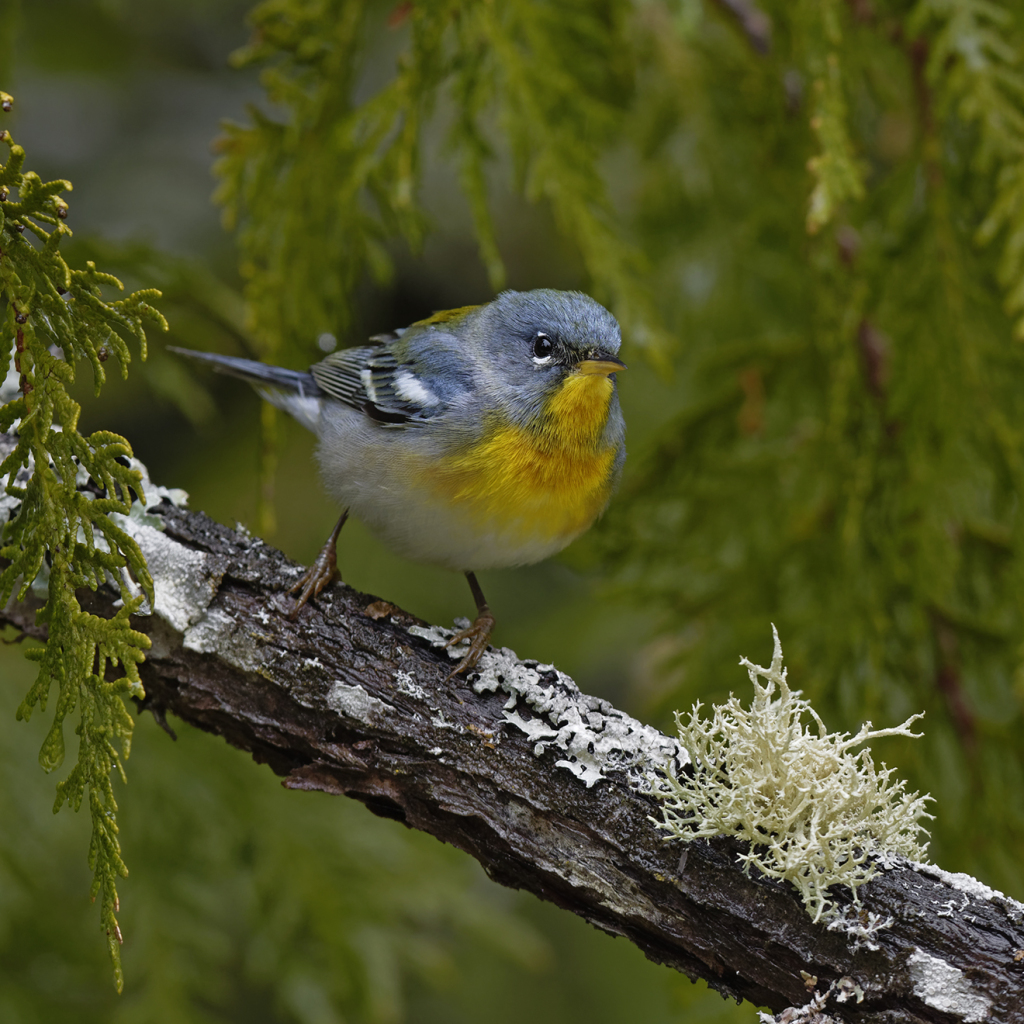
Male Northern Parula

Male Canada Warbler

Male Black-throated blue Warbler

Male American Redstart

Male Magnolia Warbler

American Bittern

Northern Waterthrush

Male Blackburnian Warbler

Female Black-throated Blue Warbler

Upland Sandpiper

Male Black and White Warbler

Male Scarlet Tanager

Male Black-throated Green Warbler

Male Mourning Warbler

Male Bobolink

Female Northern Parula
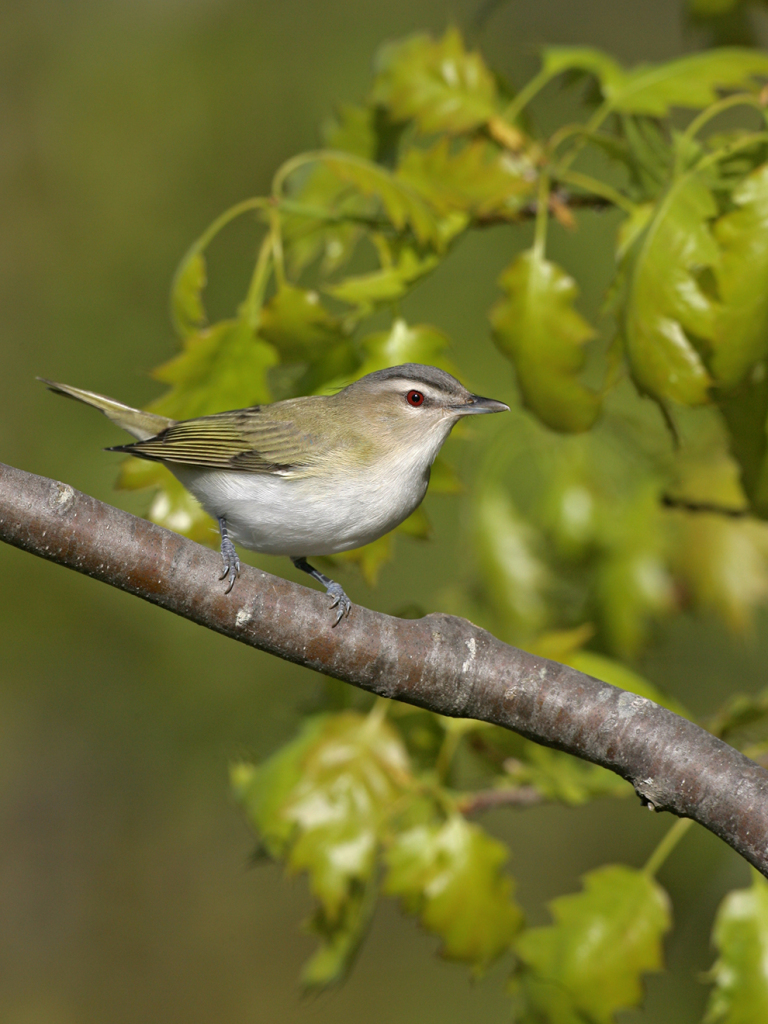
Male Red-eyed Vireo

Common Loon Pair

Philadelphia Vireo

Male Bay-breasted Warbler

Male Magnolia Warbler

Male Wilson’s Warbler

Female Canada Warbler

Male Blackburnian Warbler

Male Chestnut-sided Warbler

Blue-headed Vireo

Male Golden-winged Warbler
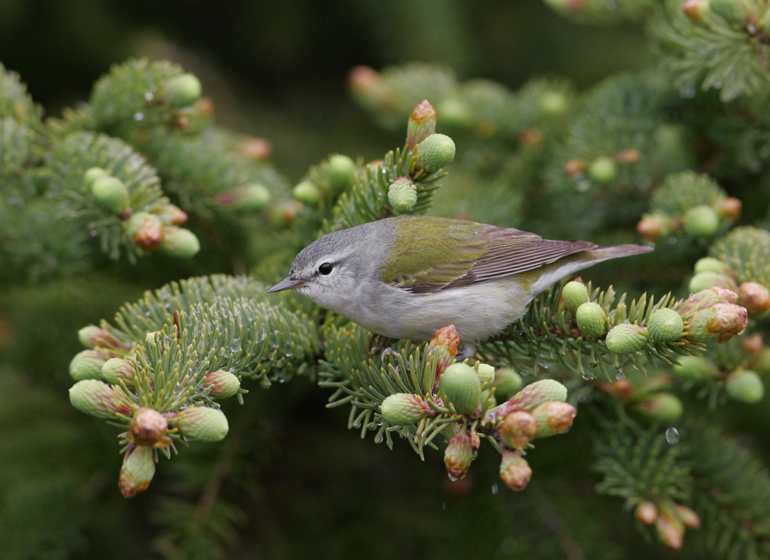
Male Tennessee Warbler

Male Pine Warbler

Male Mourning Warbler

Male Cape May Warbler

Male Indigo Bunting

Female Black-throated Blue Warbler – first spring

Osprey

Male Canada Warbler

Male Nashville Warbler

Male Bay-breasted Warbler – first spring

Wood Thrush

Male Magnolia Warbler

Male Scarlet Tanager

Male Black-throated Green Warbler

Male Connecticut Warbler

American Bittern

Male Tennessee Warbler

Male Black-throated Blue Warbler

Female Bay-breasted Warbler

Male Chestnut-sided Warbler

Male Cape May Warbler

Winter Wren

Male Brewster’s Warbler

Male Blackpoll Warbler

Upland Sandpiper

Female Black and White Warbler

Male Blackburnian warbler

Male Northern Parula

Male Canada Warbler – first spring

Male Magnolia Warbler

Male Kirtland’s Warbler

Virginia Rail

Male Wilson’s Warbler

Male Mourning Warbler

Male Cape May Warbler

Male Black-throated Blue Warbler

Female Chestnut-sided Warbler

Male Yellow Warbler

Male Rose-breasted Grosbeak

Male Palm Warbler

Female Blackburnian Warbler

LeConte’s Sparrow

Male Northern Parula

Male Nashville Warbler

Male Black-throated Green Warbler

Pied-billed Grebe

Male Magnolia Warbler

Male Black and White Warbler

Male Black-throated Green Warbler

Female Cape May Warbler

Northern Waterthrush

Male Golden-winged Warbler

Male Blackburnian Warbler

Female Black-throated Green Warbler

Male Scarlet Tanager

Philadelphia Vireo

Male Cape May Warbler

Male Yellow-rumped Warbler

Male Canada Warbler

Male Mourning Warbler

Female Northern Parula

Male Magnolia Warbler

Male Chestnut-sided Warbler

Common Loon

Yellow-bellied Flycatcher

Male Black-throated Green Warbler

Male Blackburnian Warbler

Winter Wren

Male Wilson’s Warbler

Female Magnolia Warbler

Philadelphia Vireo

Tennessee Warbler

Male Black-throated Blue Warbler

Male Black-throated Green Warbler

Female American Redstart – first spring

Great-crested Flycatcher

Male Cape May Warbler

Male Scarlet Tanager

Male Northern Parula

Male Blackburnian Warbler

Male Connecticut Warbler

Male Black and White Warbler

Male Mourning Warbler

Male Indigo Bunting

Male Chestnut-sided Warbler

Male Canada Warbler

Upland Sandpiper

Male Tennessee Warbler

Male Blackburnian Warbler

Male American Bittern

Male Swamp Sparrow

Male Magnolia Warbler

Male Black-throated Green Warbler

Male Yellow-bellied Sapsucker

Male Cape May Warbler

Male Golden-crowned Kinglet

Male Palm Warbler

Male Scarlet Tanager

Male Northern Parula

Male Cape May Warbler

Female Chestnut-sided Warbler

Male Canada Warbler

Barred Owl

Male Magnolia Warbler

Male Black-throated Green Warbler

Male Black and White Warbler

Northern Waterthrush

Blue-headed Vireo

Male Cape May Warbler
There is a bog with some orchids less than 5 miles from Cedarville and other wildflowers in the area at the times of the workshops and after.
See some of the flowers here: Flowers