
Do you like warblers enough to pursue photographing them in their basic plumage, which refers to the feathers birds acquire during their post-breeding molt? This is the “default” plumage that birds wear for most of the year.
This bird photography workshop offers an excellent opportunity to photograph up to 23 species of eastern warblers, 4 species of vireos, and a variety of other birds. For most of those 23 warbler species their basic plumage varies significantly from their breeding plumage.
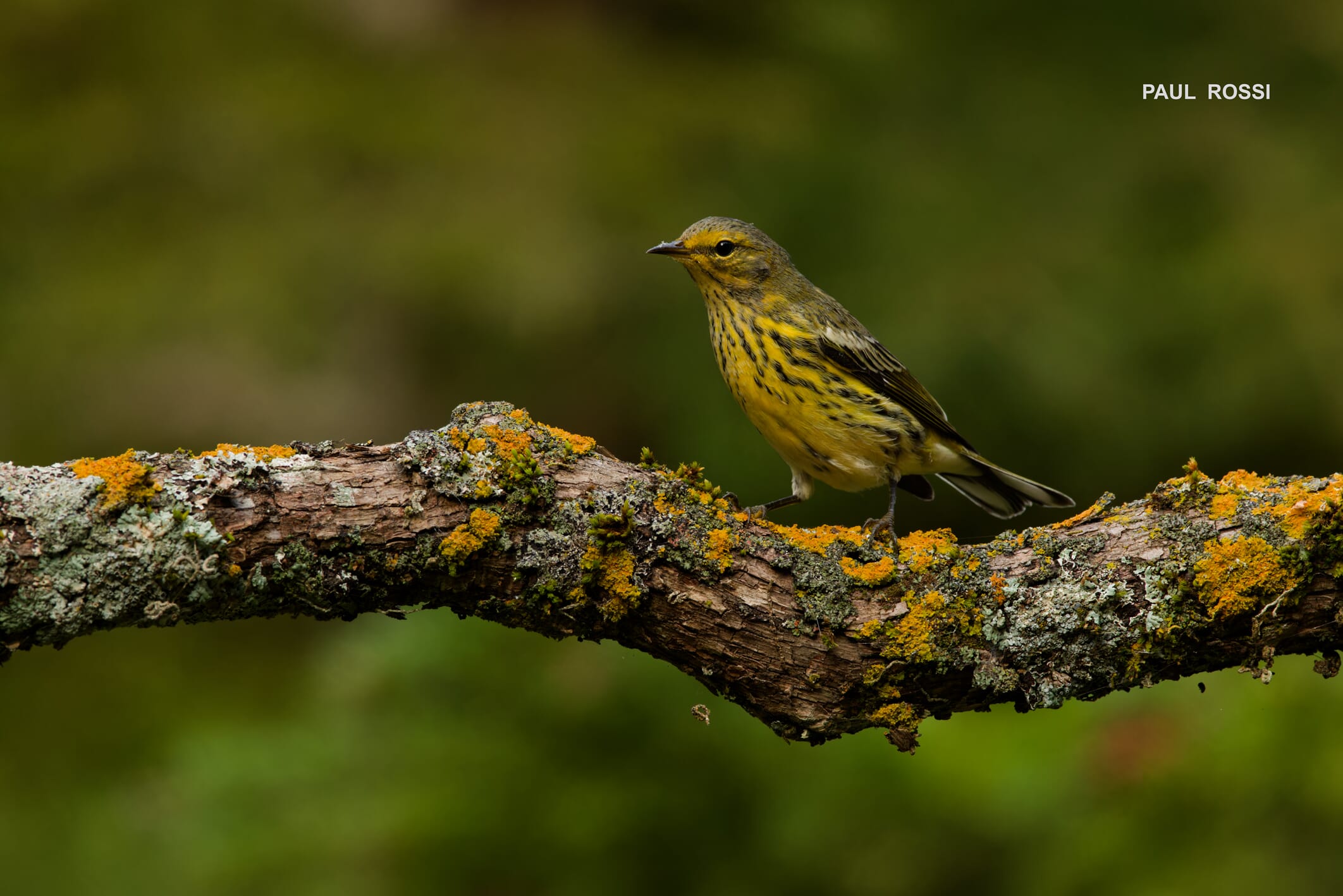
Cape May Warbler
My knowledge and experience – your benefit. I have photographed migrating flocks of warblers on peninsulas along the north shore of Lake Huron, including my own peninsula, since 2008. During this workshop (both date ranges) those areas concentrate migrating warblers and vireos which encounter Lake Huron on their journey south for the winter. I have honed reliable methods for photographing them. And I expanded this type of photograph to many areas inland, where I could target species rarely found in the flocks on peninsulas, such as Mourning, Golden-winged, Canada and Pine. Local warbler family groups sometimes join the flocks at any location.
2025 testimonial: “I recently attended Paul Rossi’s late summer warbler workshop. Another guide had told me that it would be hit or miss and that I would be lucky to see any birds. Paul set up sixty perch locations with good backgrounds before I arrived. He called in flock after flock with so many birds. We saw 21 species of warblers and I took close to 8000 photos. This was my fifth workshop with him and he never fails to exceed my expectations. It was a great time, and I got many wonderful photos. If you have any questions please get my phone number or email address from Paul and I would be glad to discuss the workshops with you.”
Wally Taubenslag
As with my spring NORTHERN WARBLERS AND MORE WORKSHOP you will visit a great variety of habitats and locations, but now ALL of the photo locations are strategically located with respect to resources and habitat for migrating warblers and vireos, because we are tracking down flocks. These areas are forested areas on narrow peninsulas of Lake Huron and the inland areas near creeks and wetlands with plenty of vegetation. Each photo location is edge habitat with good light for bird photographers. All of these areas have an abundance of insect hatches for fueling the warblers on their journey, and that is the key to consistently finding the flocks.
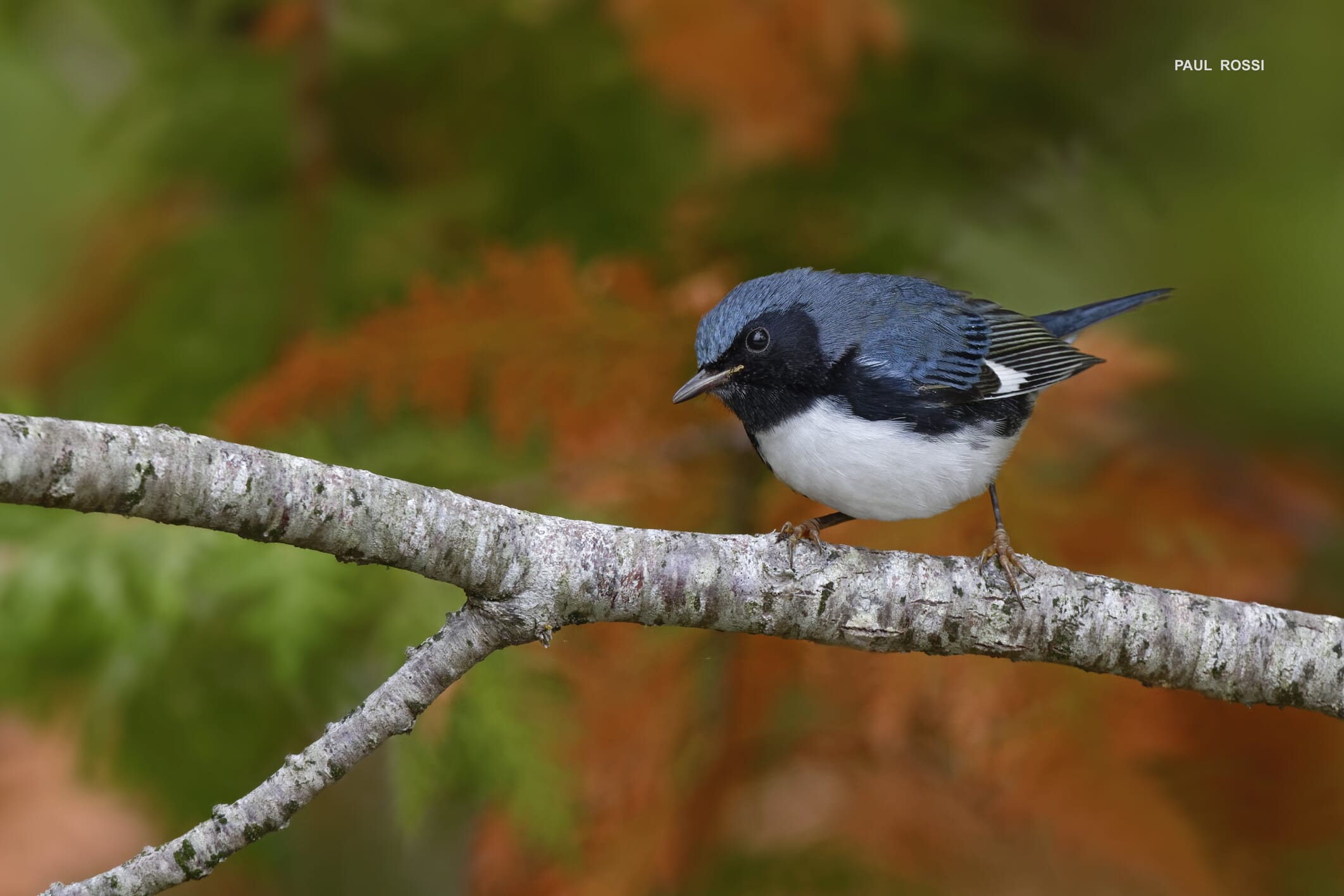
Male Black-throated Blue Warbler
At my home on a narrow peninsula, I have a water bathing/drinking station that is used by spring migrants and all local nesting warblers during the nesting season. I control the backgrounds and perches around the station. It works great during this workshop as well and is always in good light from 4:30 pm to 7 pm (whether it is sunny or cloudy), and the flocks will often use it extensively during that time. That is important because flocks of warblers at this time of year are very quiet at that time of day, and therefore much more difficult to detect, and if they are found they virtually never respond.
During times when our peninsula is loaded with warblers, and there are cloudy conditions, we may stay at the station from late morning through the afternoon and into the evening to take advantage. One really nice thing about the station is that we can talk while the warblers come in, and I will tell you when a Canada, Tennessee, Mourning, Wilson’s, Black-throated Blue, etc. comes to the perches. Its relaxing and fun.
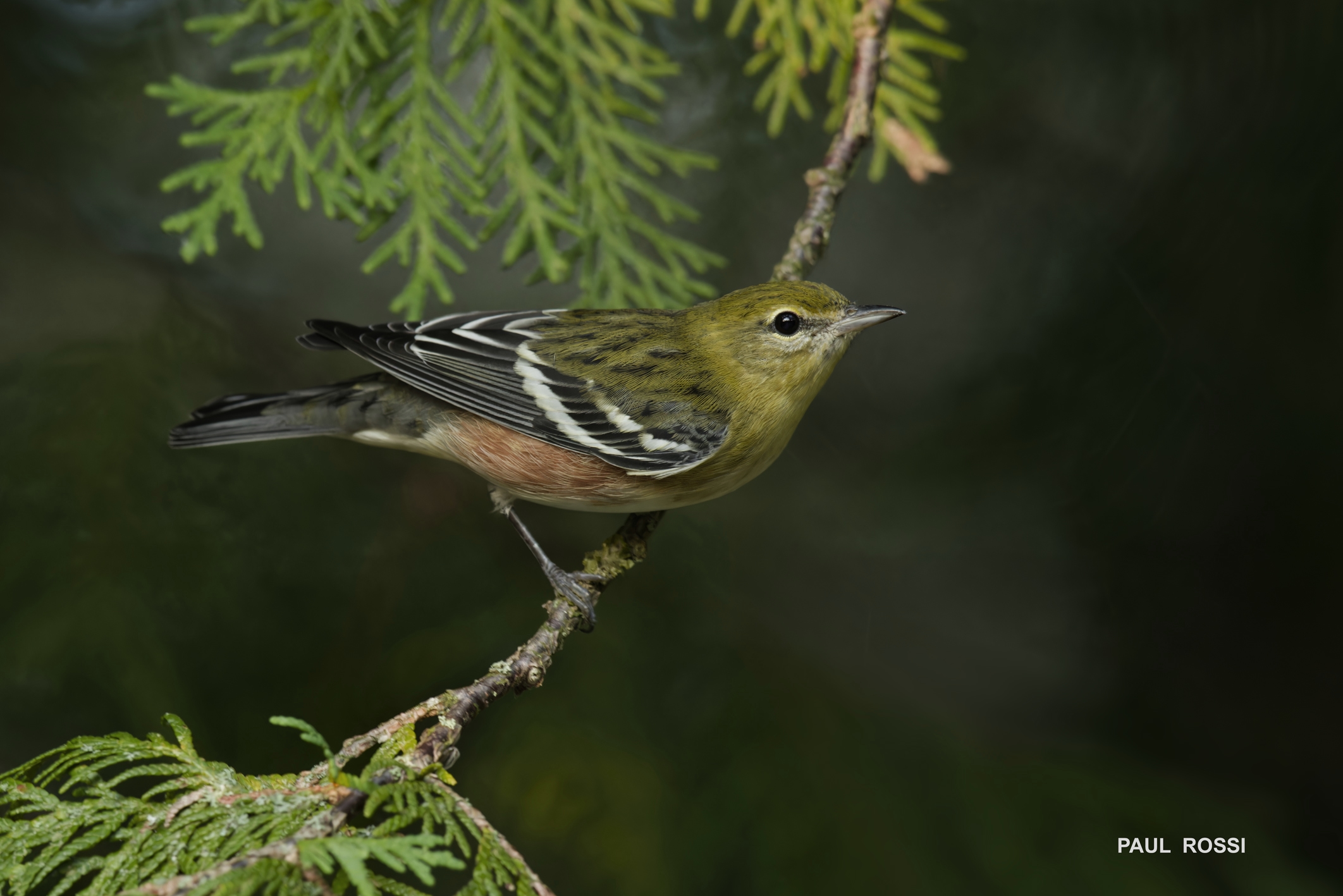
Male Bay-breasted Warbler
Most of the species have a more subdued plumage at this time, and their plumages often vary for adult males and females, and hatch year birds, as well. So, there are often 4 different looks for each species. Sometimes it is fun to figure out exactly what you have photographed – you just ask me (Paul), and I will tell you.
When not at the water station (most days, starting early in the morning) you will follow me in your vehicle to already prepared photo locations, set-up with placed perches and natural perches. All of these locations will be within 30 minutes of your lodging in Cedarville, Michigan. We will normally make many stops each day (more than 20), but all locations will be 200 yards or less from parking. I have about 60 such locations, and it is impossible to cover them all in one day. But this many options pays off consistently over the course of 4 days.
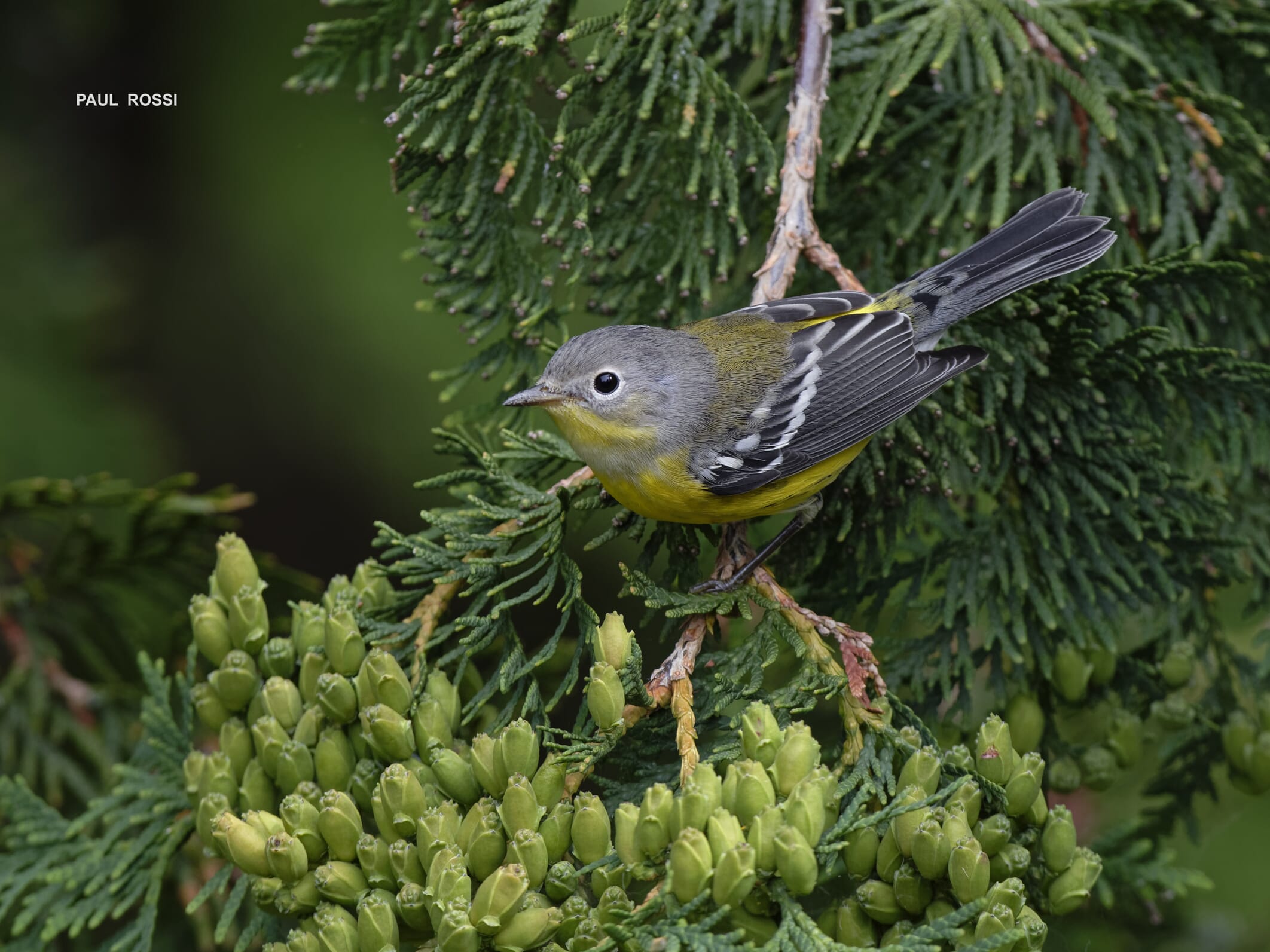
Magnolia Warbler
All photo locations are along seldom traveled roads, and when I stop at a location with you behind me in your vehicle, I will get out of my van and signal you to shut off your vehicle. Then I will listen and look to detect if there is a flock nearby. And if there is I will signal you to park, set up your gear, and get in position; and then the fun begins. Each day I always find flocks near at least a few of the locations, but on some days, it can be many of them. I will draw a flock to the perches from as far away as 150 yards. It can get hectic with many birds and different species coming to the perches, but my individual instruction, based on your equipment and experience, and appropriate set-up of your equipment (as instructed by me) will help you maximize your success rate.
An article closely related to this workshop, especially useful for identification of the birds that look similar is here.
August 21-24 $2,000
August 26-29 $2,000
deposit $500; $1,500 due upon your arrival
2 persons minimum, 3 persons maximum SMALL GROUP SIZE
Contact Paul Rossi
email: paulrossiphotography@proton.me
phone: 906 287-8829
We will start around 7- 7:30 am each of the 4 days, and continue, with a short lunch break, in-the-field, until 4 pm, if it is a cloudy day. The flocks virtually never respond after 4 pm. But they do use the water station after 4 pm. You will need to pack your lunch for a cloudy day. On a sunny day we will start just after sunrise and continue until noon, and have a break until photographing at the water bathing/drinking station starting at 4:30 pm.
Biting bugs are not bad at this time but sometimes there can be some blackflies and/or mosquitoes at inland locations. So, bring a bug jacket to be prepared.
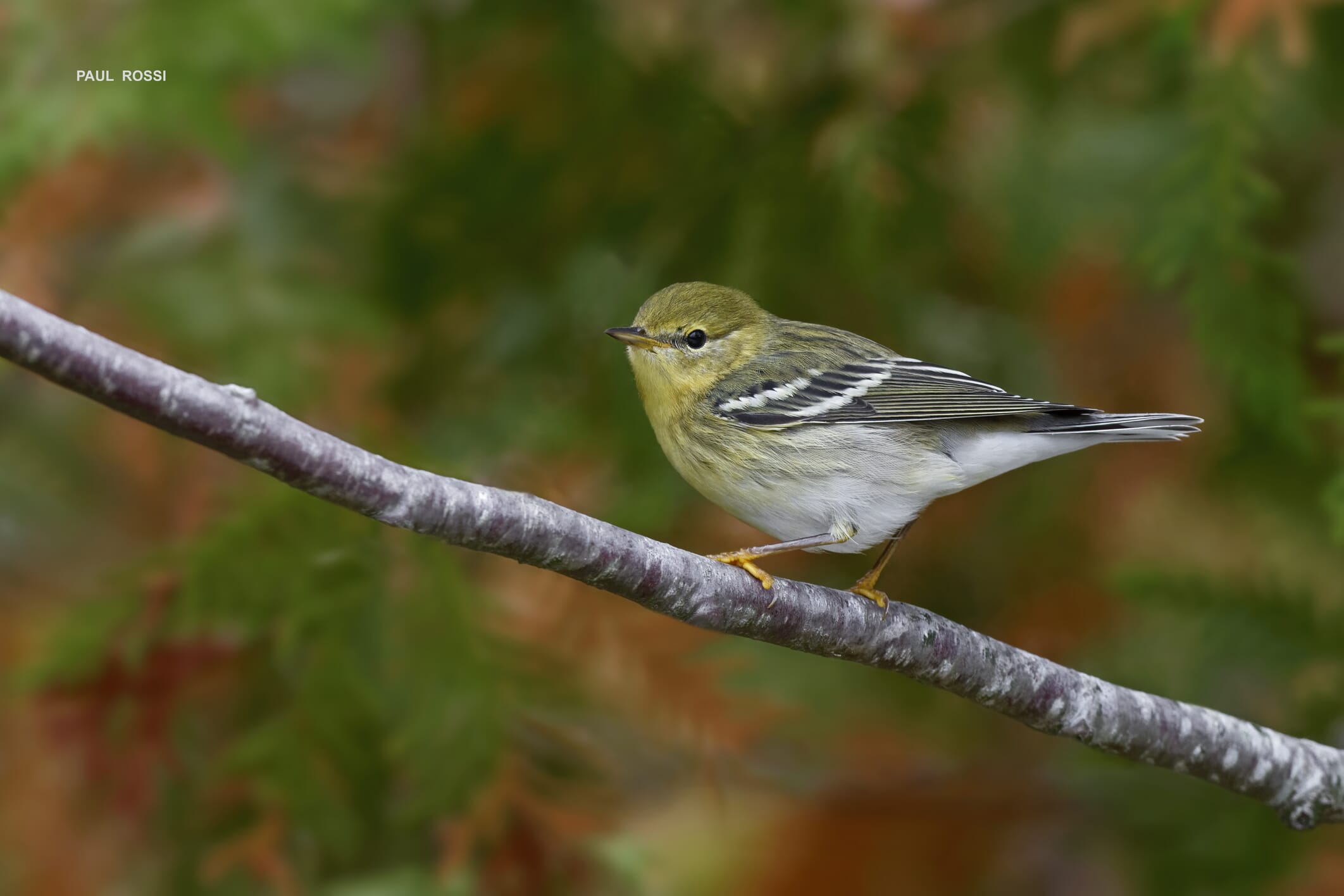
Blackpoll Warbler
Your lodging will be in Cedarville which has a great motel with a kitchenette (Les Cheneaux Motel), and a hotel (Cedarville Hotel). You are responsible for your lodging and meals. There are some nice restaurants in Cedarville and a supermarket.
————————————————————————————
Airports:
An option is to fly to Detroit, Michigan and then drive 5 hours to Cedarville. From Detroit its straight freeway on I-75 to M-134 after the Mackinac Bridge, and east on M-134 for 38 miles to Cedarville. Canadians can fly to Sault Ste. Marie, Ontario, and drive 1 hour to Cedarville.
ANOTHER GOOD OPTION (if you fly with Delta Airlines): Chippewa County International Airport – about 35 minutes from your lodging
ARRIVALS
Airline Origin Flight Time Day Terminal
Delta MSP – Minneapolis/St Paul, MN 4242 3:20 PM (est) Daily Commercial (in Dec 2024 this changes to around 3:20 PM
Delta DTW – Detroit Metro – Detroit, MI 4278 7:06 PM (est) Daily Commercial
DEPARTURES
Airline Destination Flight Time Day Terminal
Delta DTW – Detroit Metro – Detroit, MI 4231 12:00 PM (est) Daily Commercial
Delta MSP – Minneapolis/St Paul, MN 4251 7:01 AM (est) Daily Commercial
Delta Flight 4278 leaves DTW (Detroit Metropolitan Airport) daily, near 6 pm, and arrives at Chippewa County Airport around 7:10 pm.
You have options for car rentals at the airport. Your drive to Cedarville (where your motel is) from Chippewa County Airport is 25 miles (35 minutes)
Delta Flight 4242 leaves Chippewa County Airport daily, near 12:00 pm, and arrives at DTW around 1:10 pm
————————————————————————————–
Species: The species in bold are highly likely, but many of the others are not unlikely. Both date ranges are within the prime time for the passage of the widest variety of warblers in this area.
Cape May Warbler
Blackburnian Warbler
Magnolia Warbler
Black-throated Green Warbler
Palm Warbler
Northern Parula
Chestnut-sided Warbler
American Redstart
Black-and-white Warbler
Northern Waterthrush
Pine Warbler
Nashville Warbler
Ovenbird
Yellow-rumped Warbler
Canada Warbler
Golden-winged Warbler
Tennessee Warbler
Mourning Warbler
Common Yellowthroat
Black-throated Blue Warbler
Blackpoll Warbler
Bay-breasted Warbler
Wilson’s Warbler
Yellow Warbler
Red-breasted Nuthatch
Philadelphia Vireo
Red-eyed Vireo
Blue-headed Vireo
Ruby-crowned Kinglet
Golden-crowned Kinglet
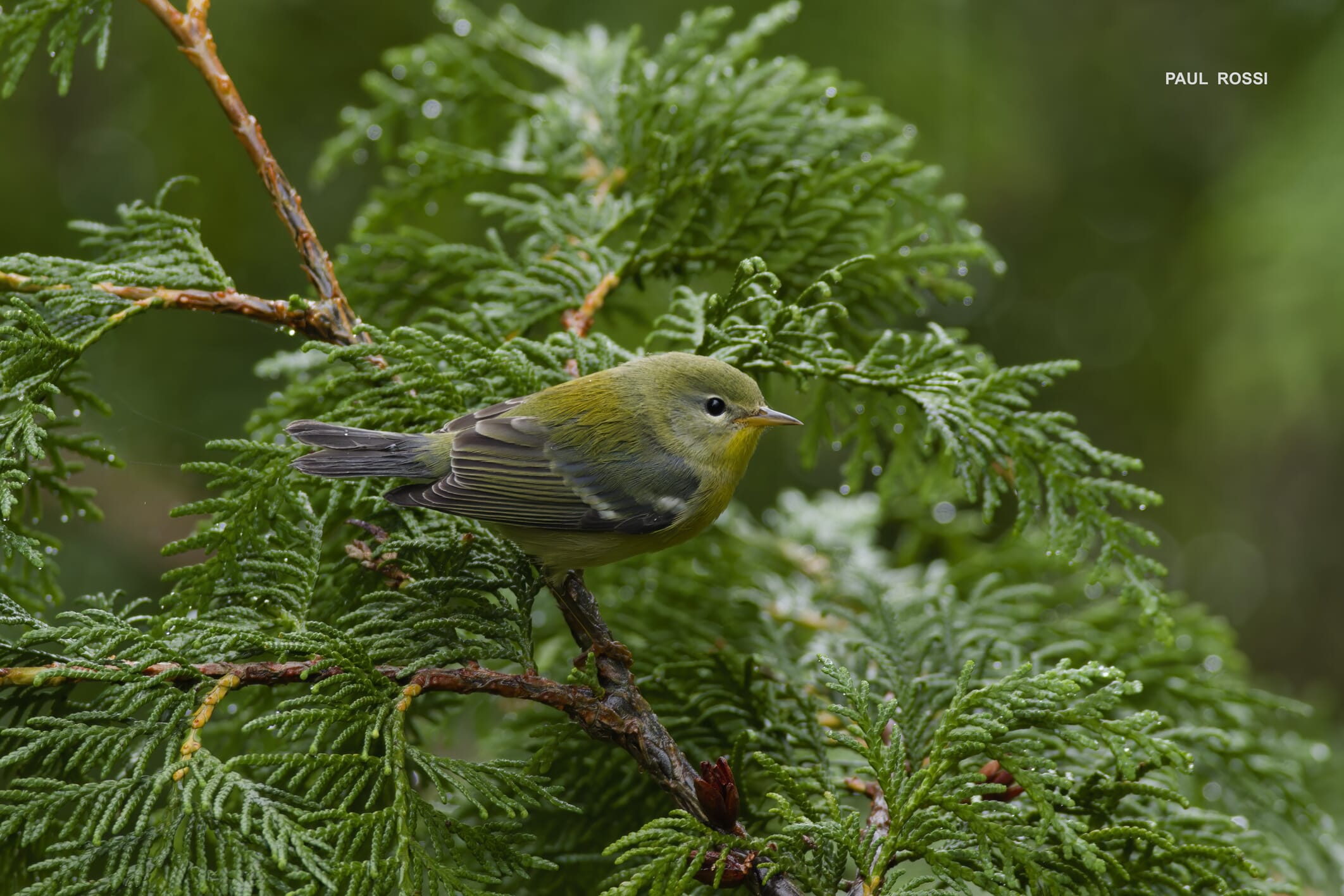
Northern Parula
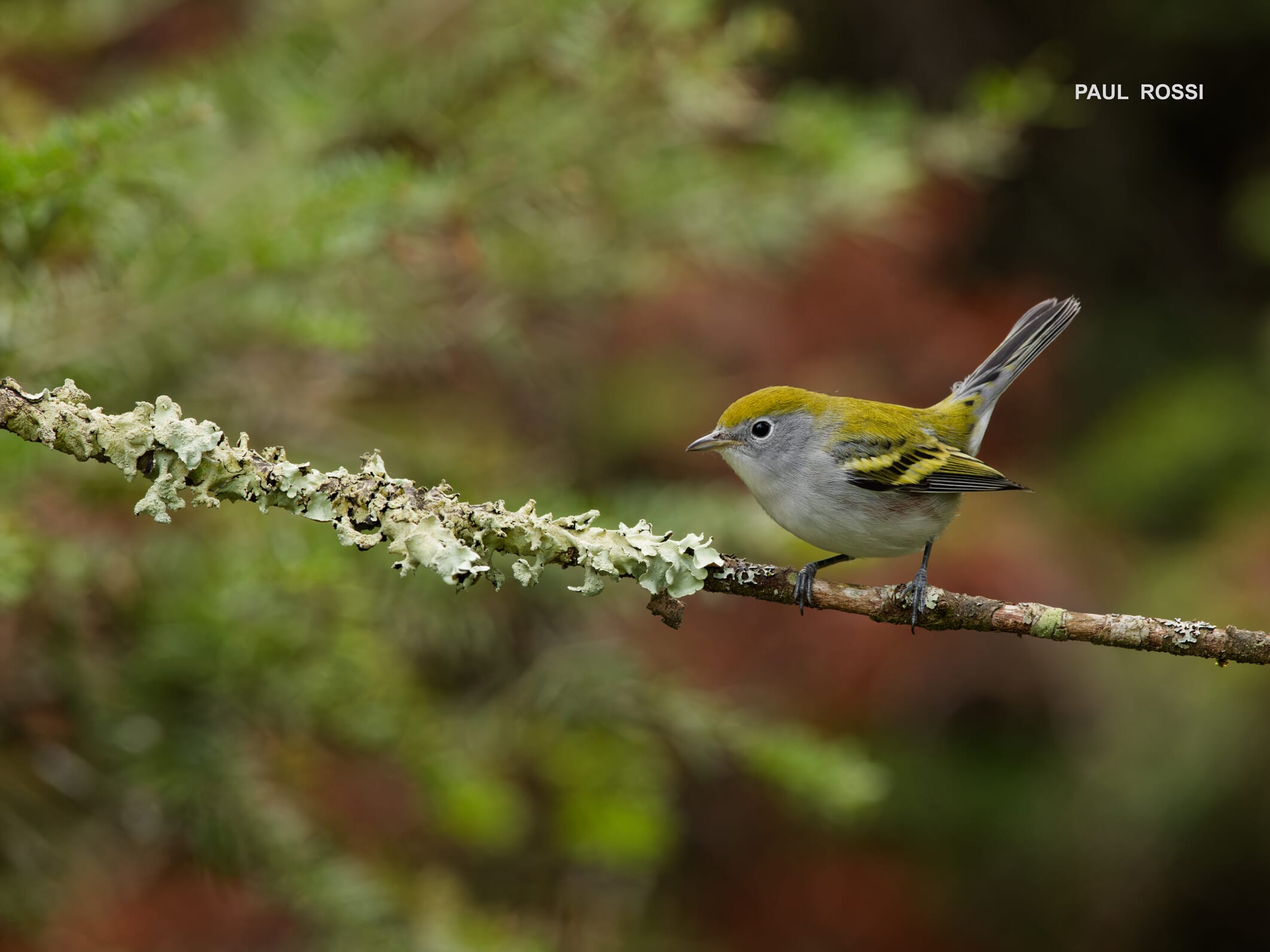
Chestnut-sided Warbler
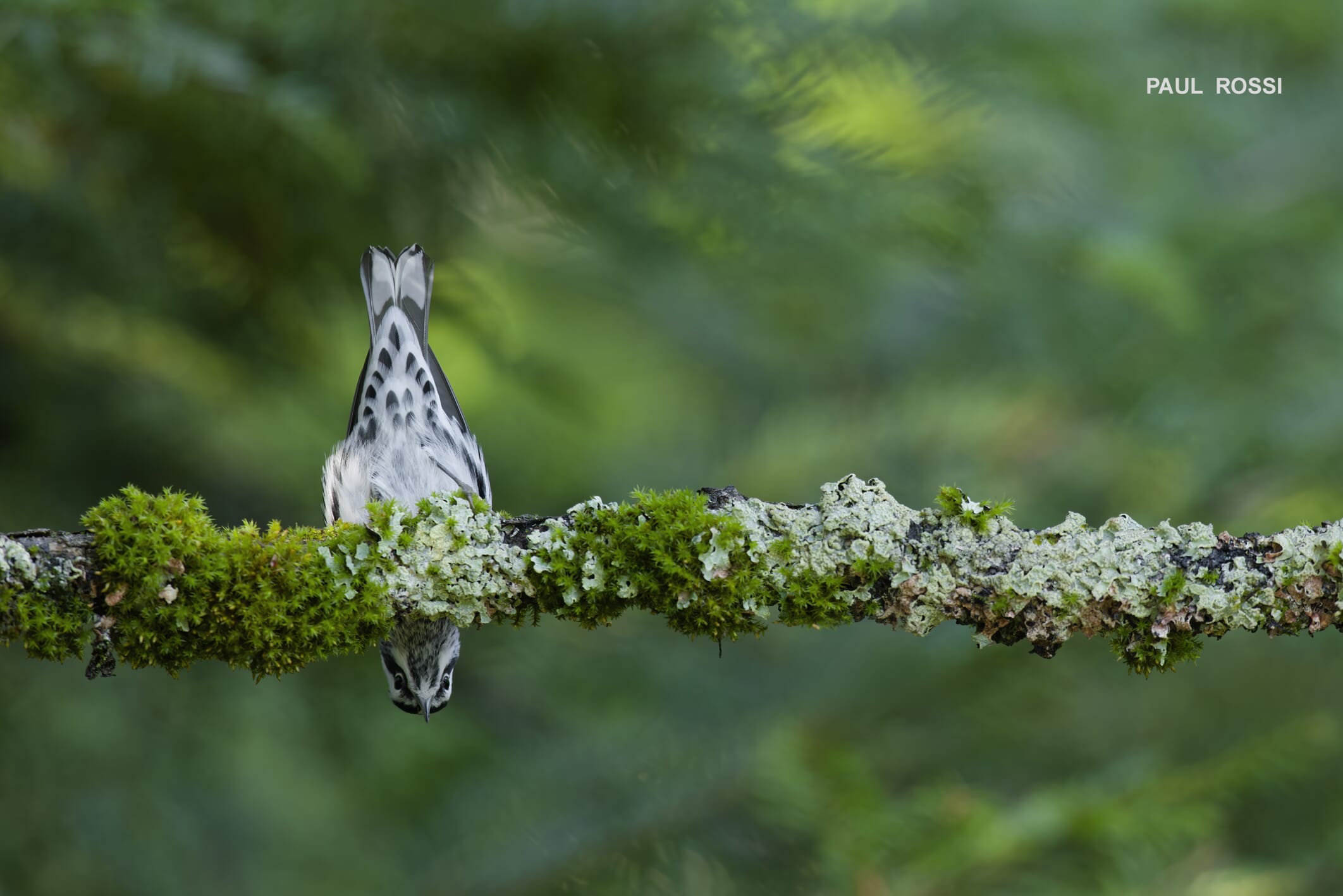
Black and White Warbler
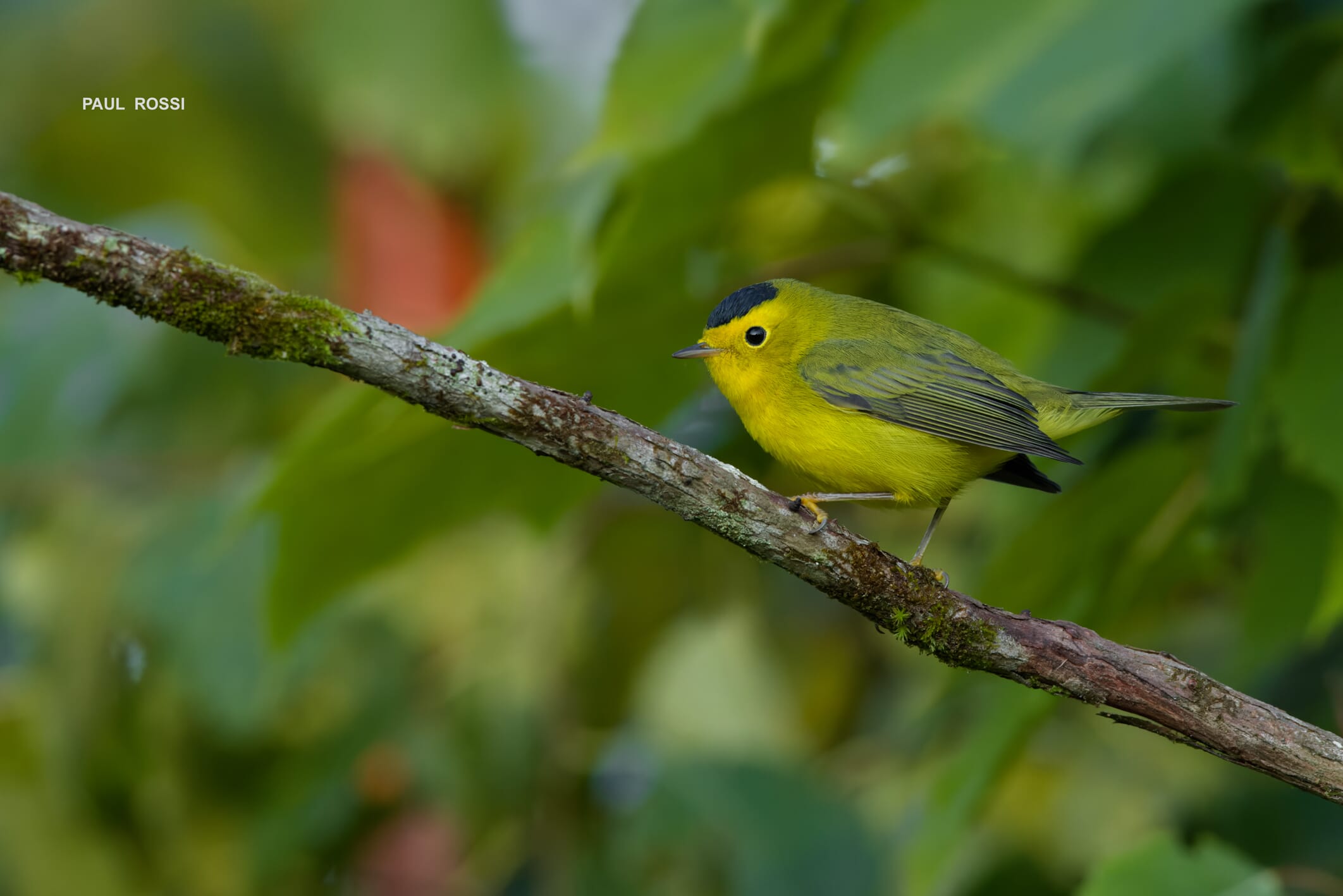
Male Wilson’s Warbler
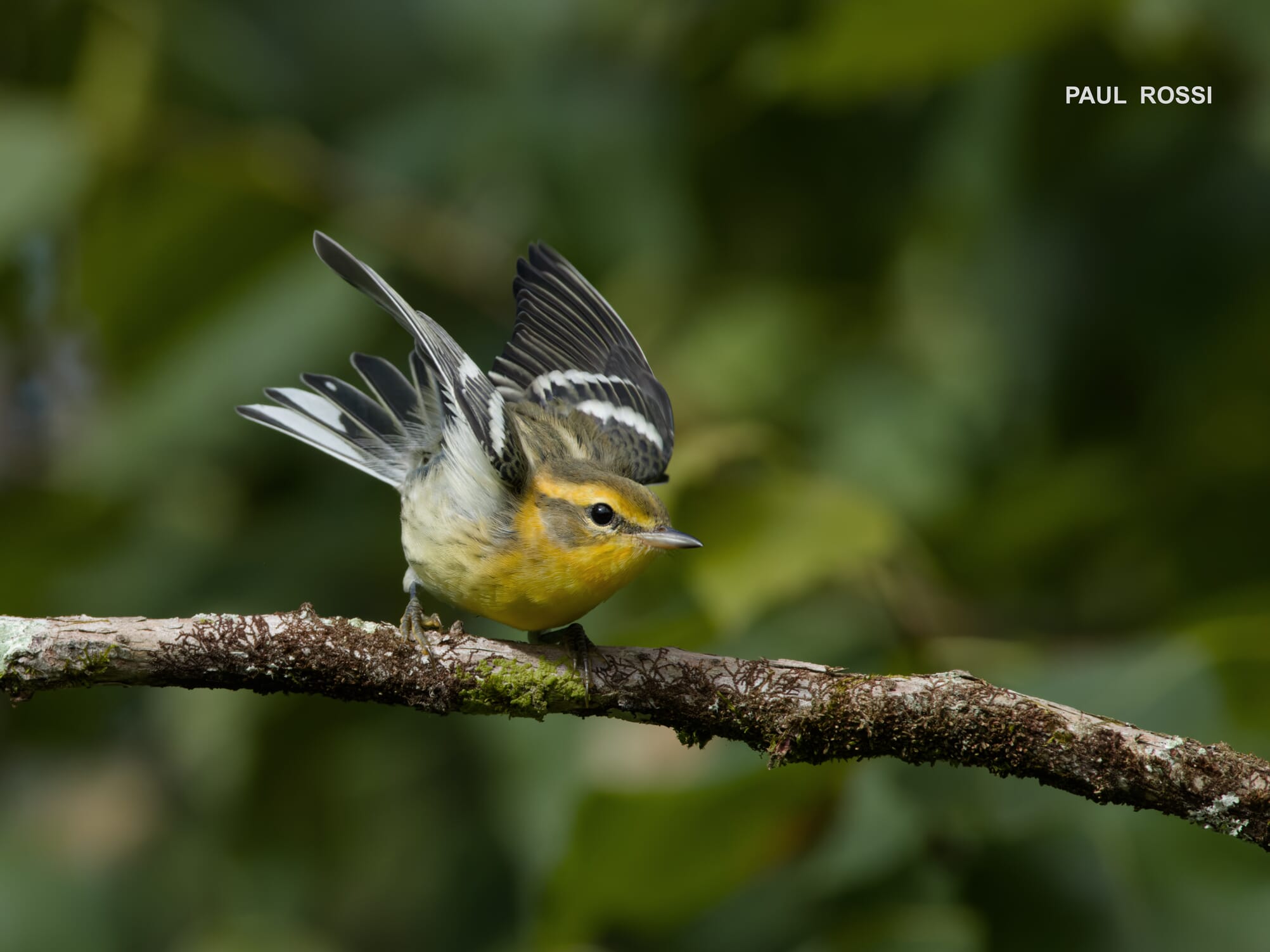
Blackburnian Warbler
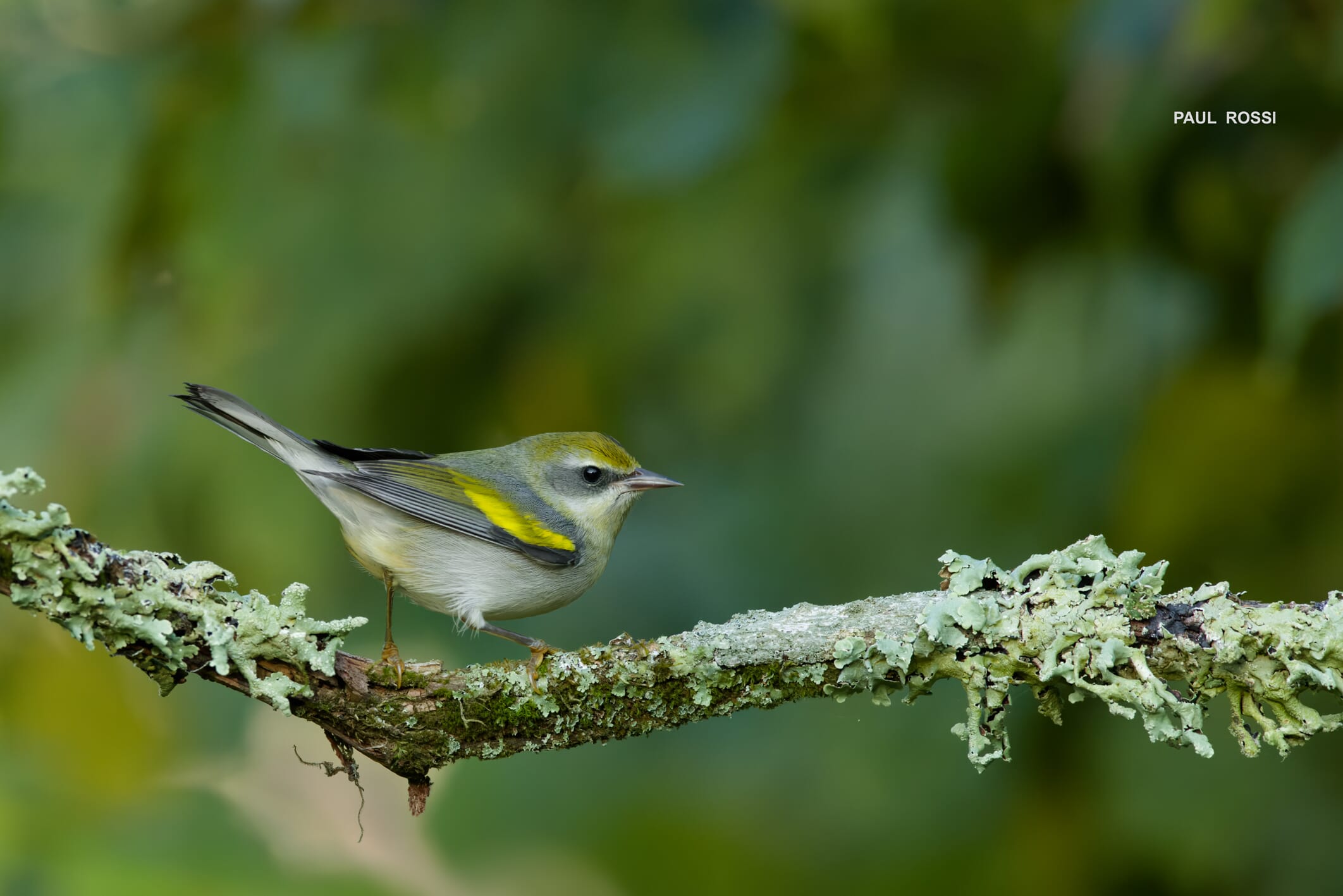
Female Golden-winged Warbler
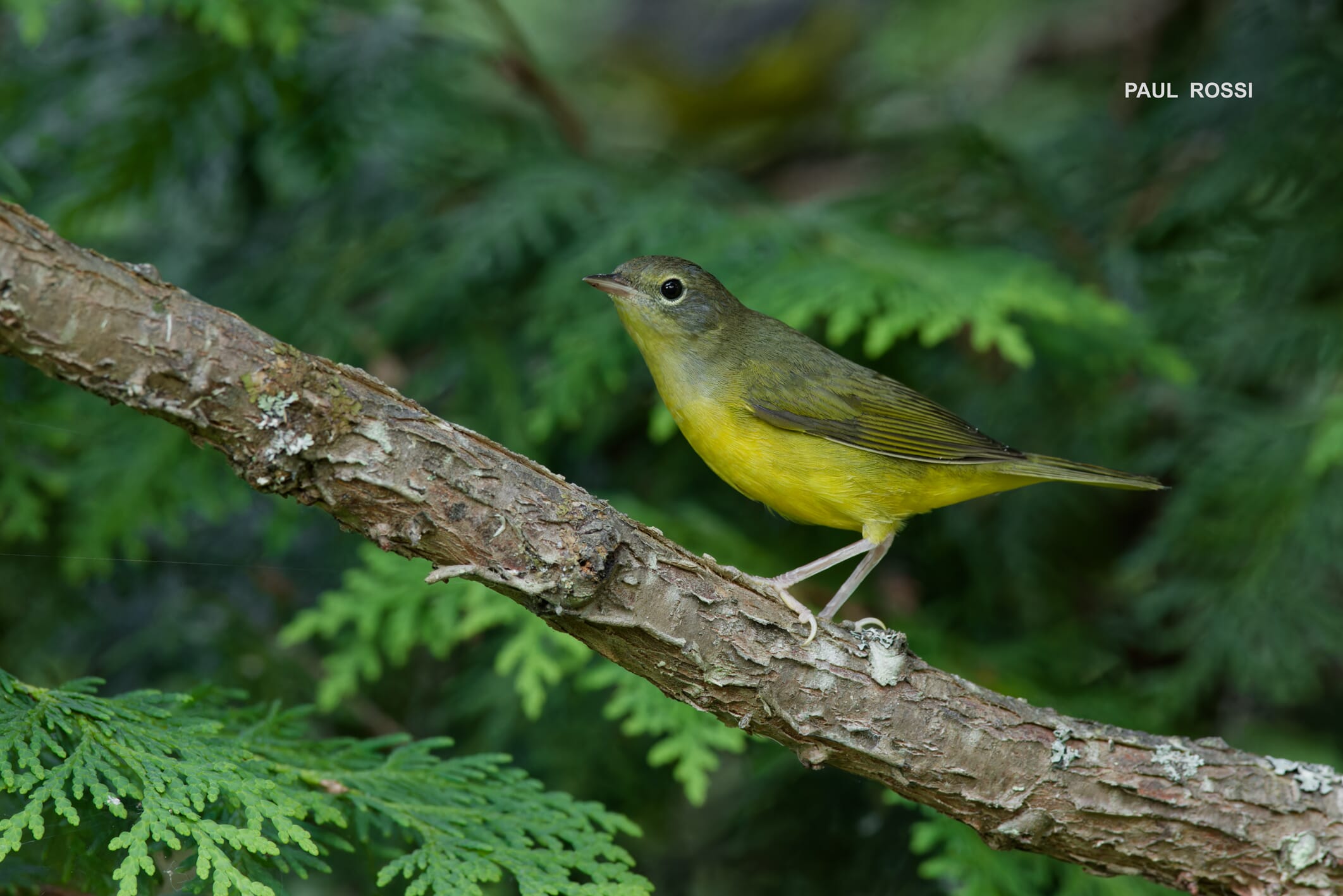
Mourning Warbler
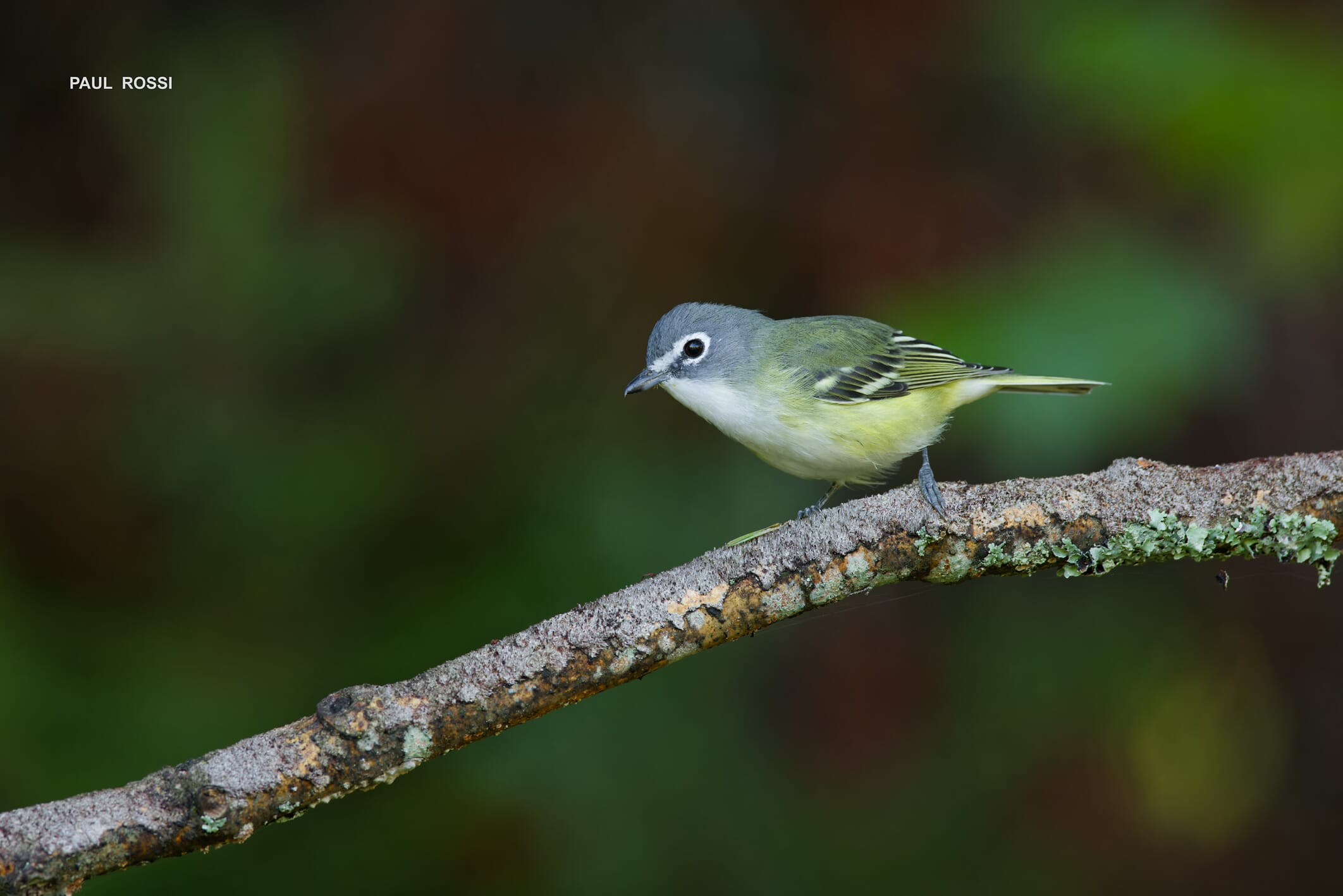
Blue-headed Vireo
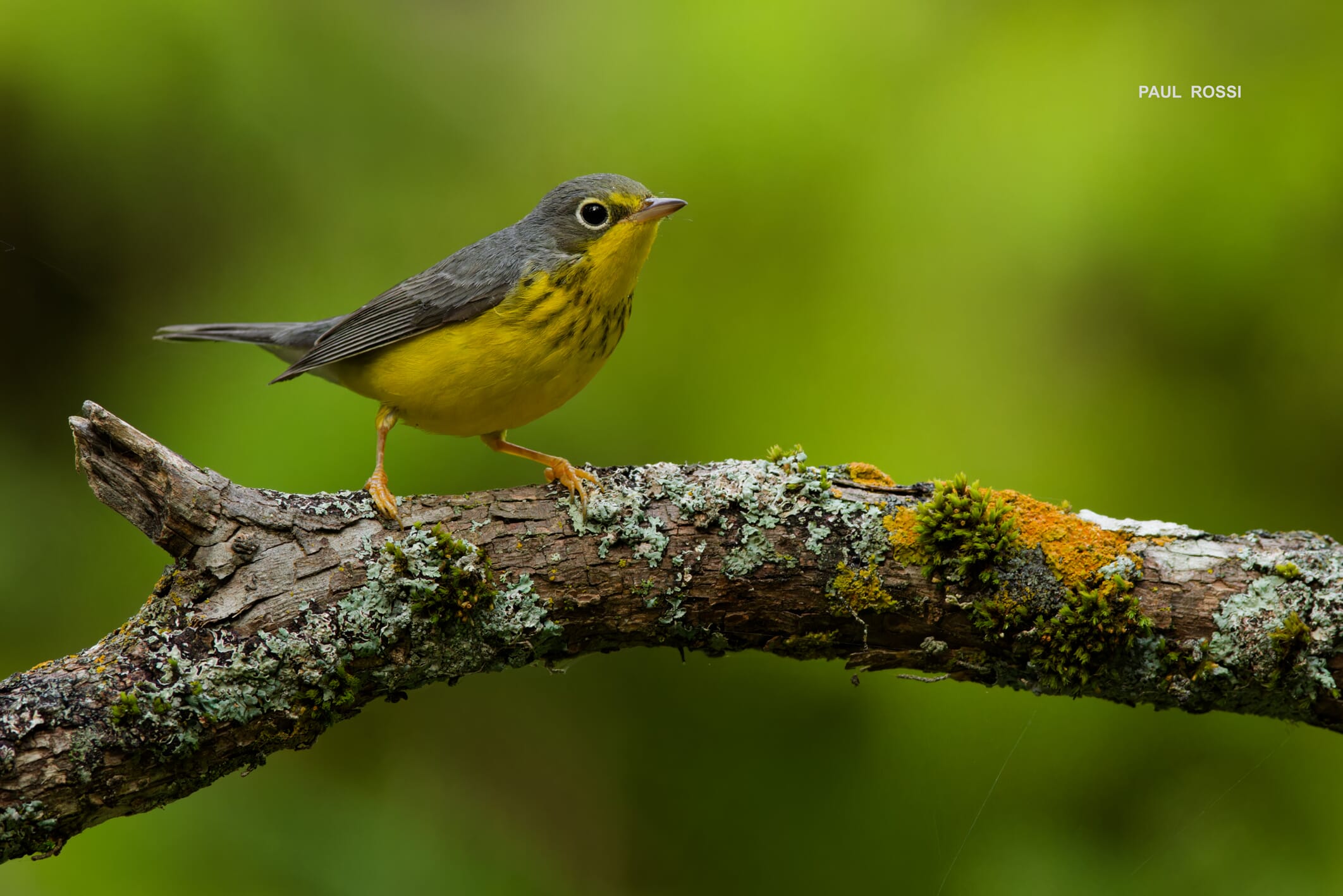
Canada Warbler
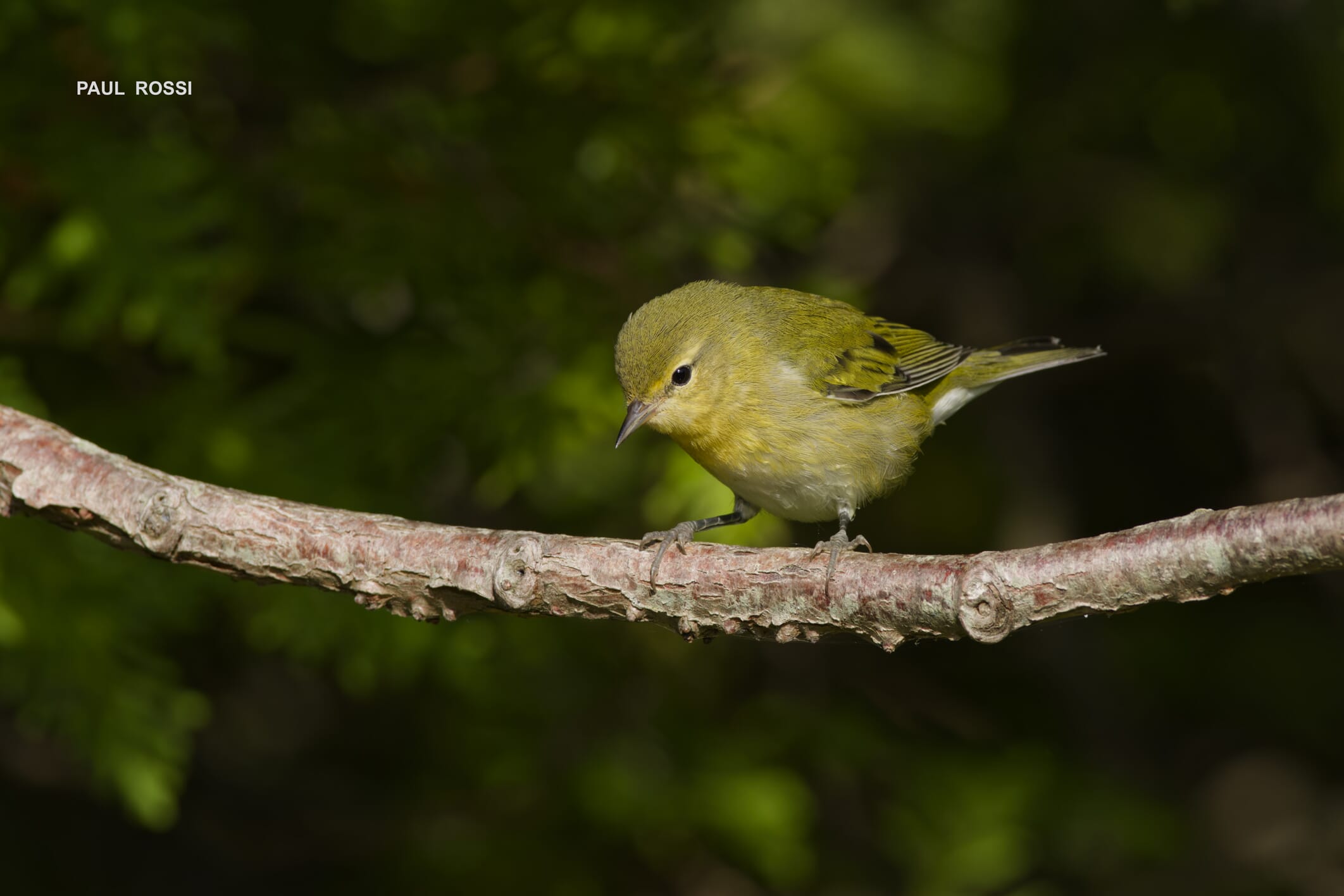
Tennessee Warbler
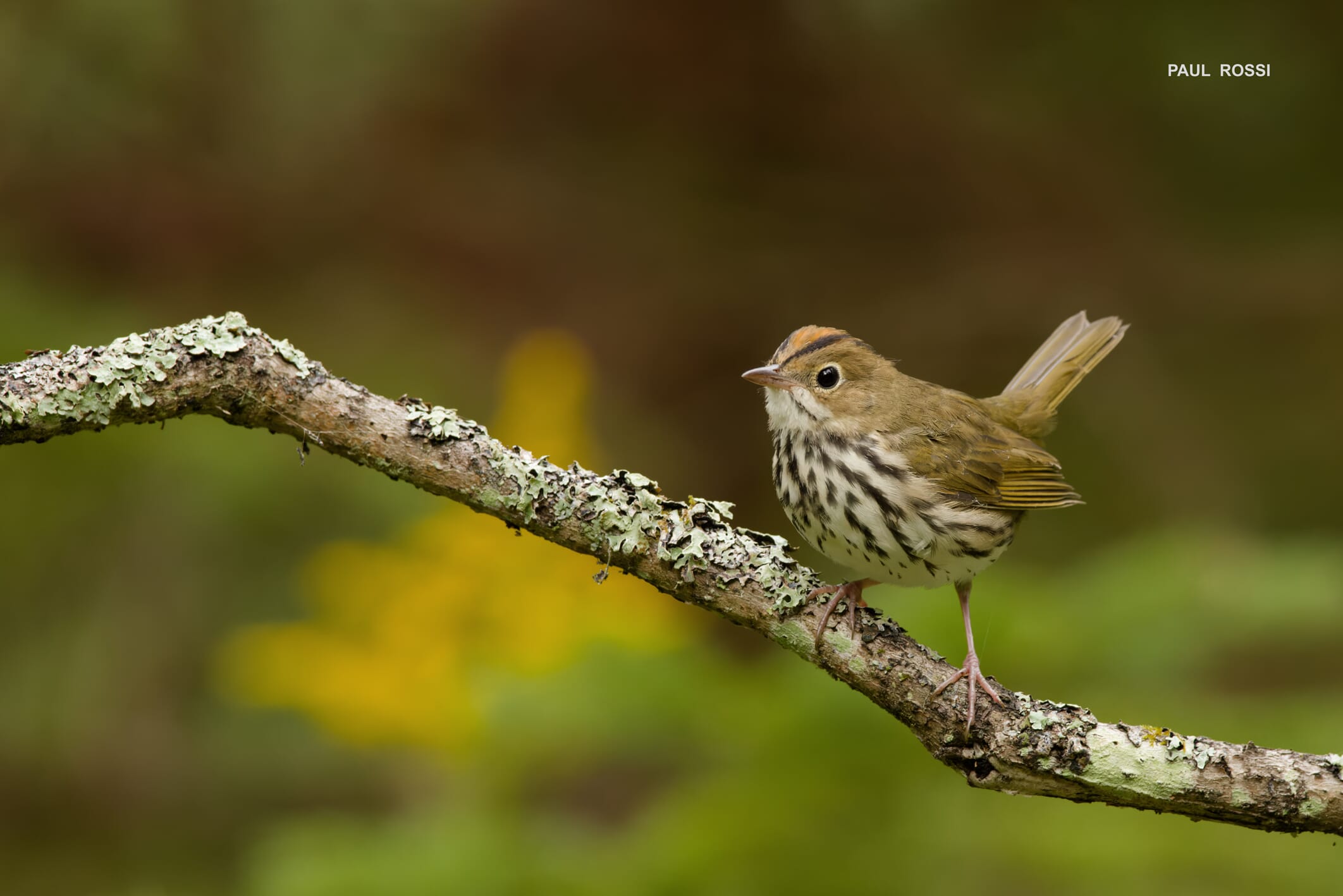
Ovenbird
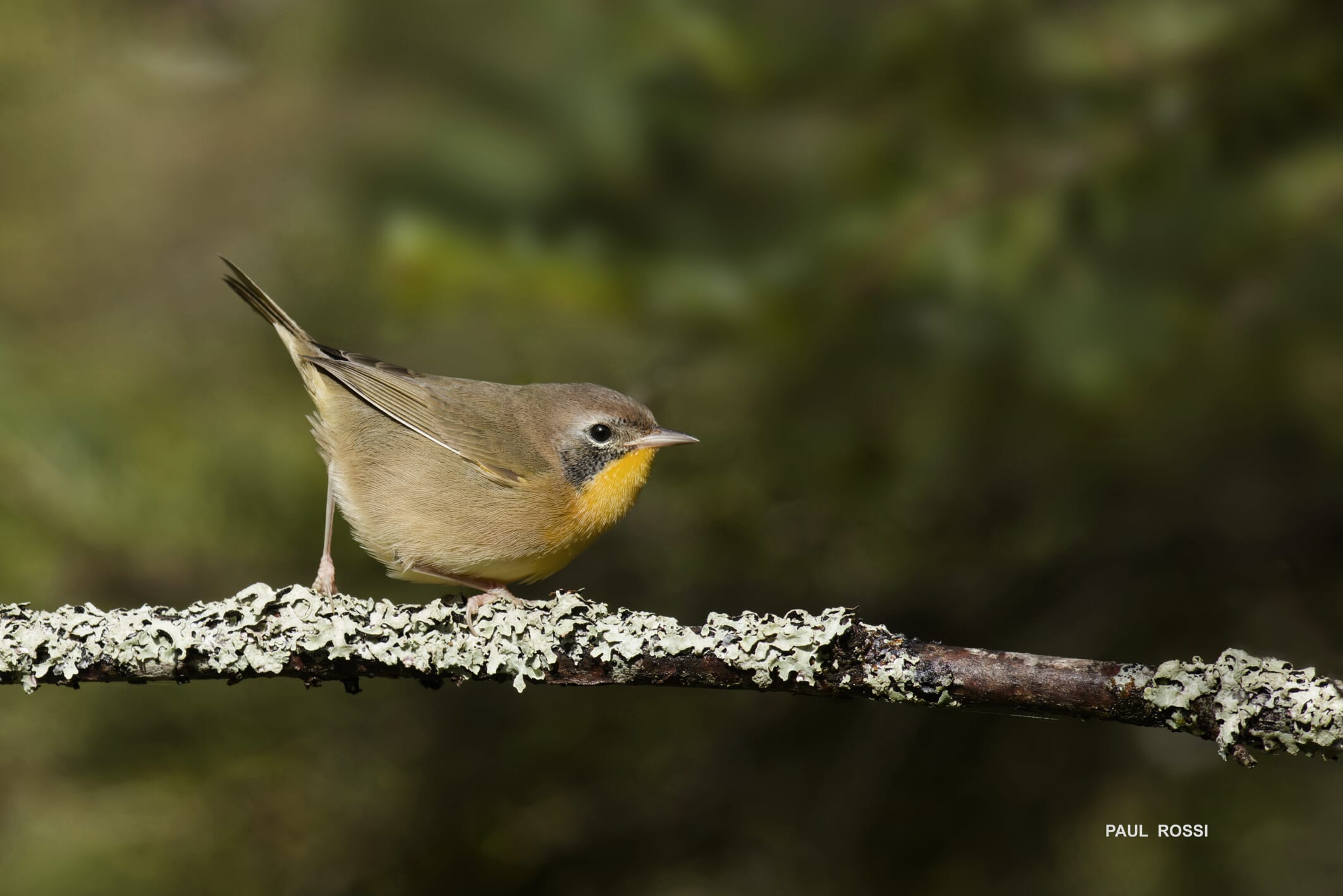
Male Common Yellowthroat
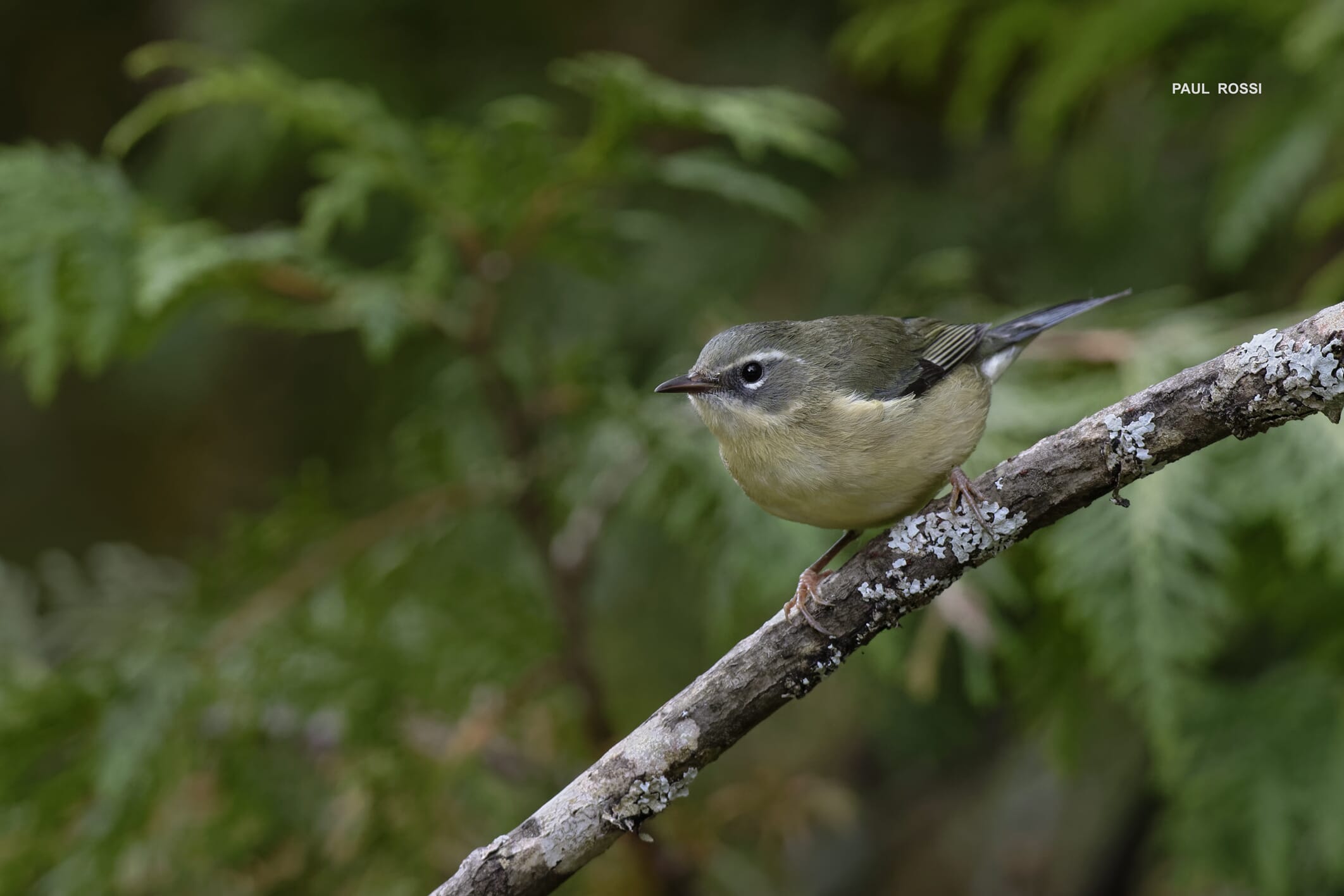
Female Black-throated Blue
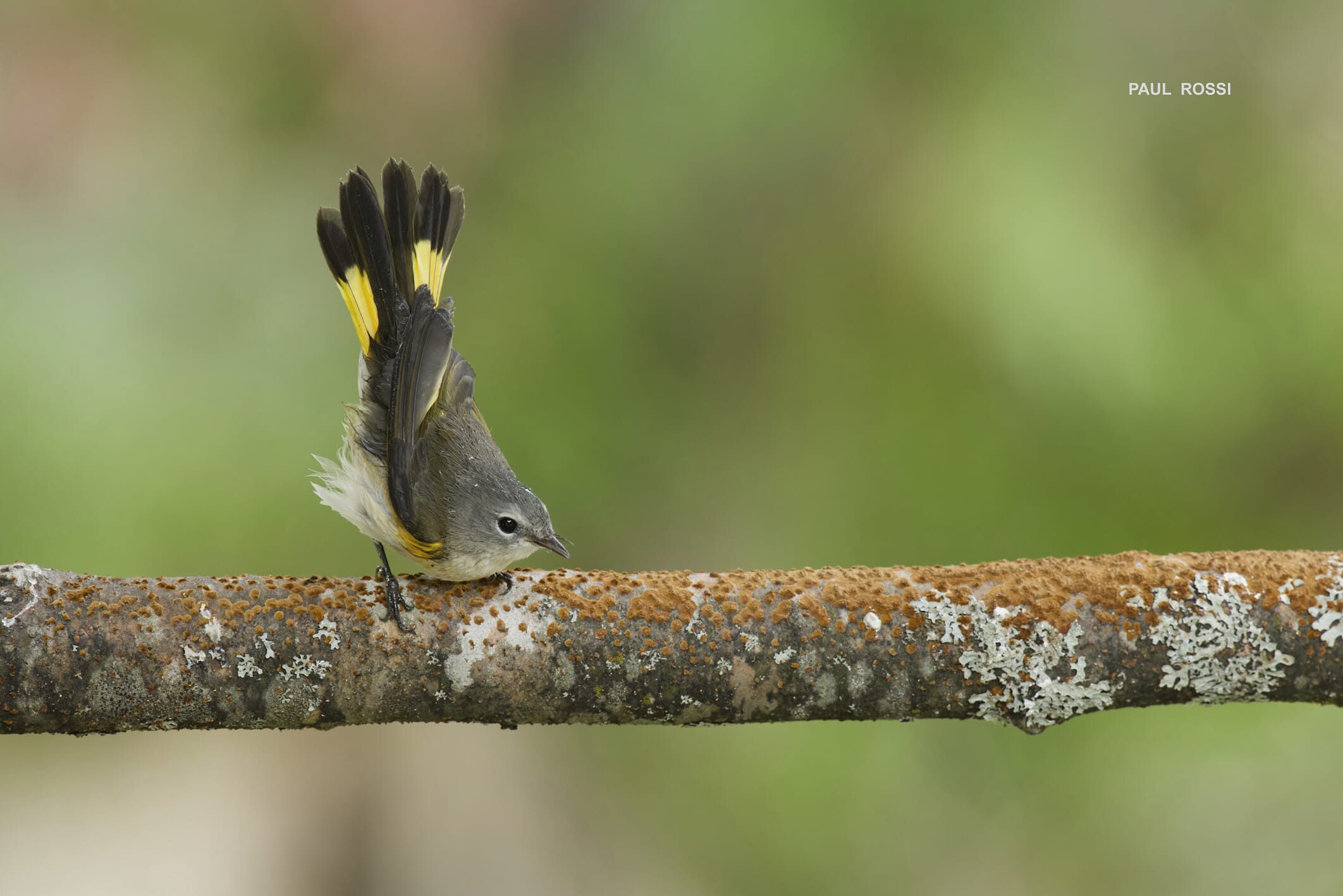
Female American Redstart
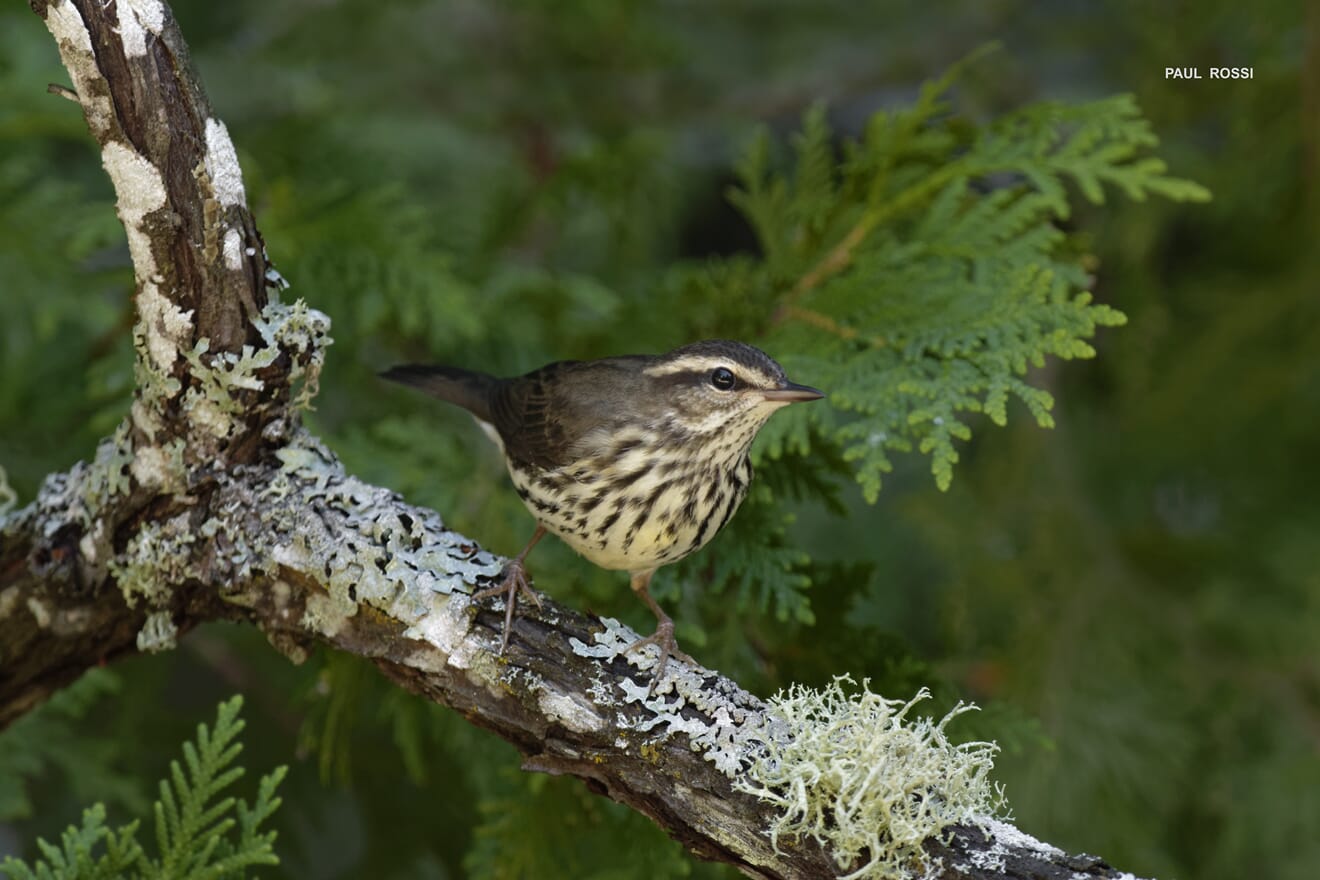
Northern Waterthrush
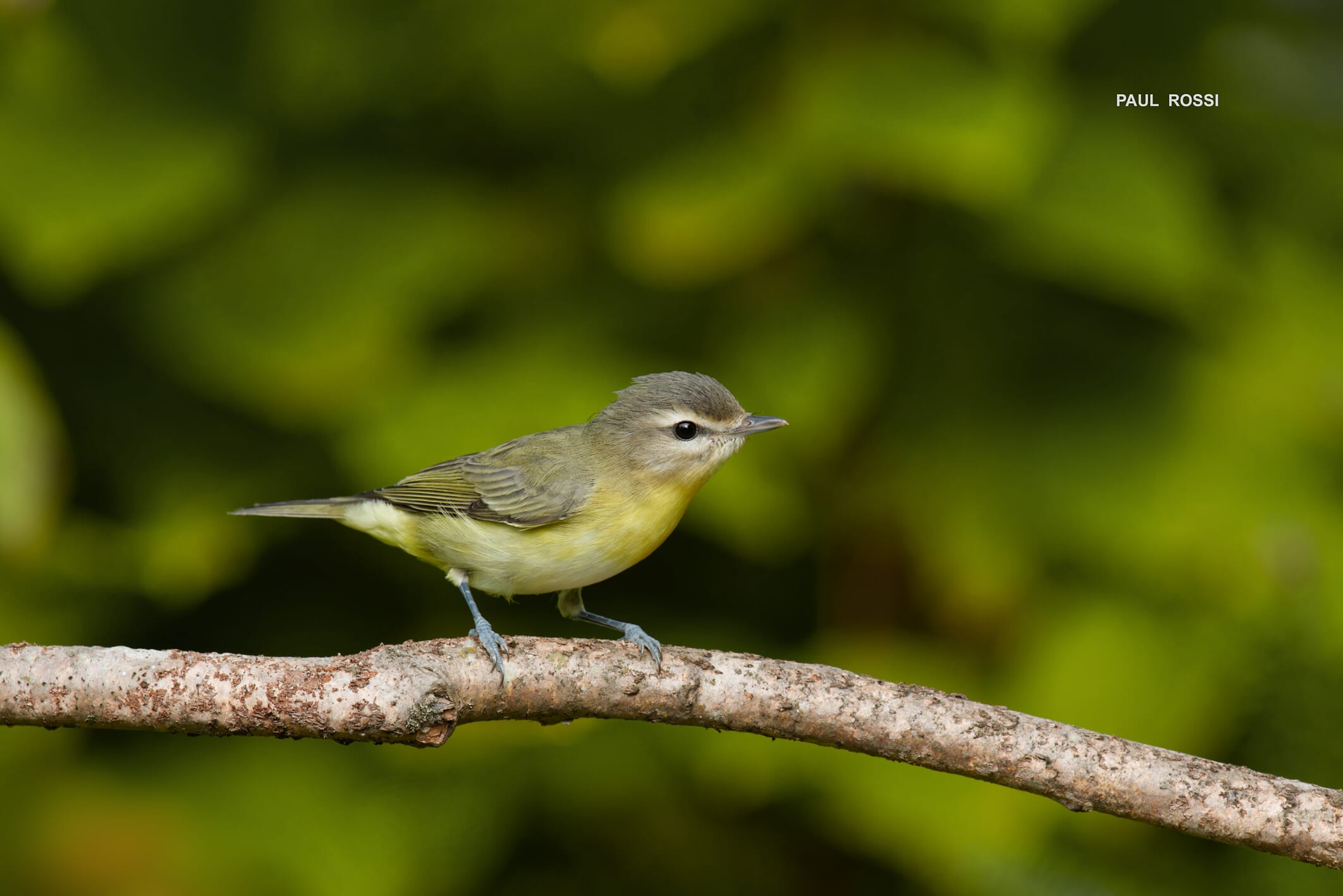
Philadelphia Vireo
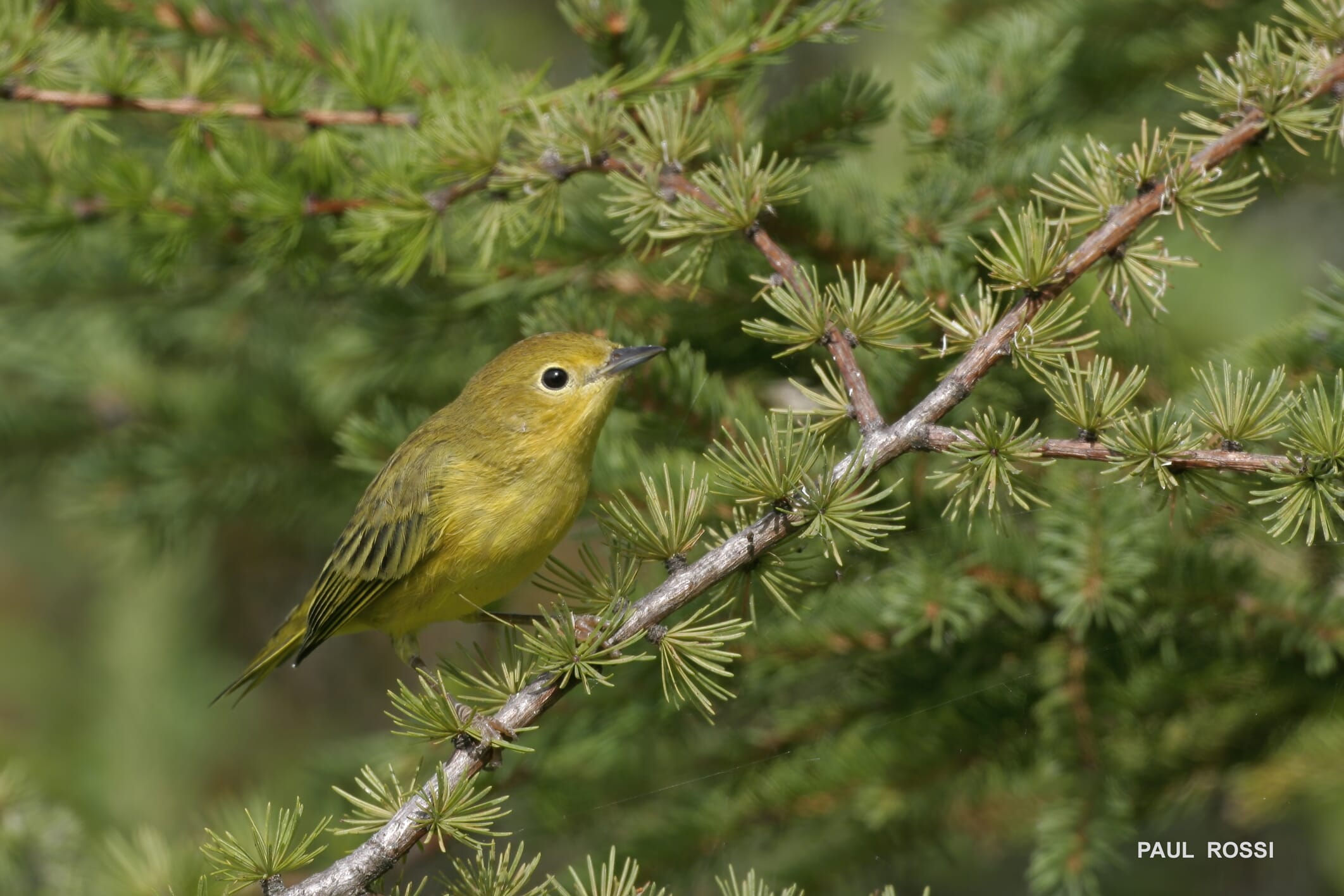
Yellow Warbler
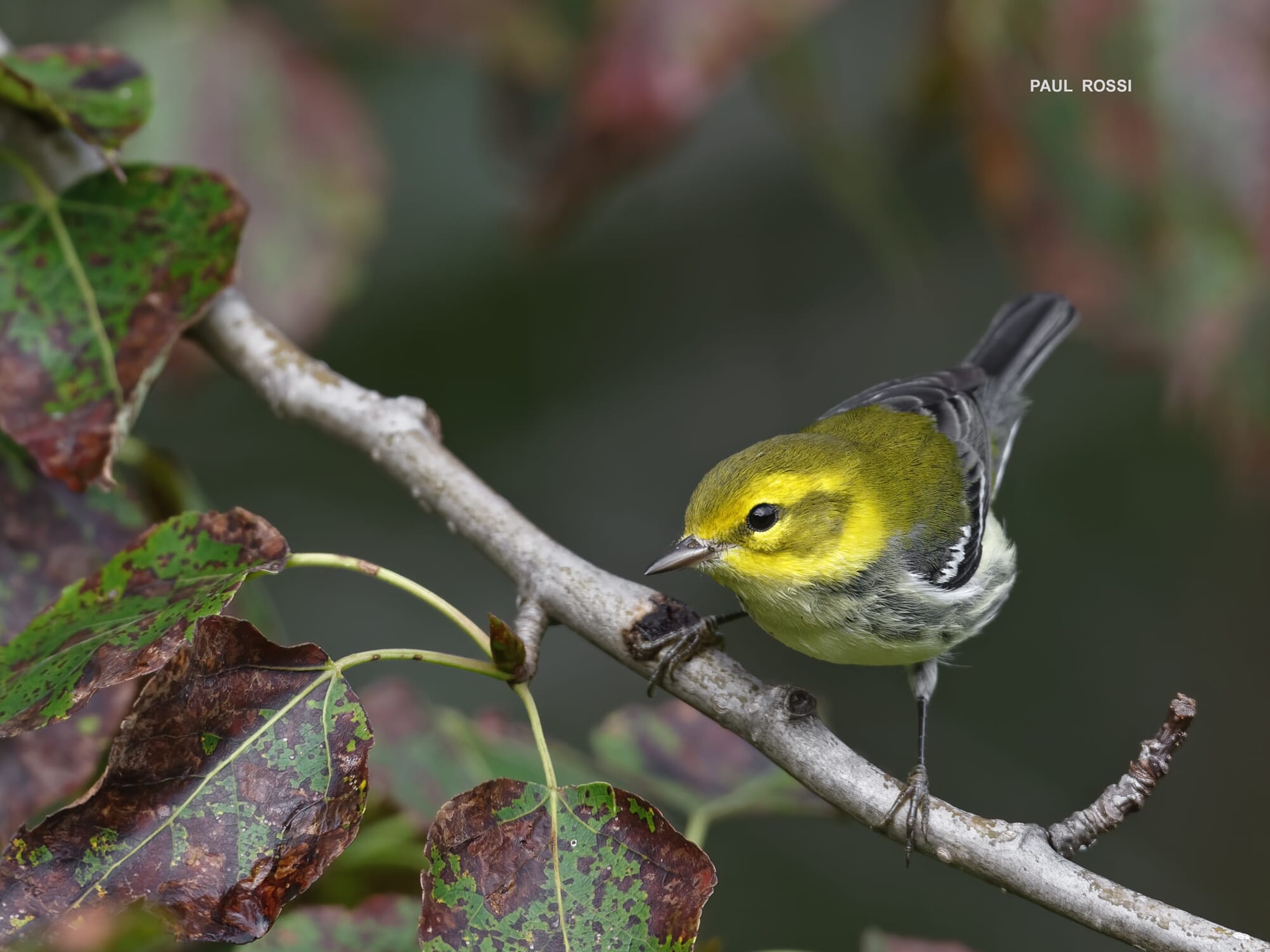
Black-throated Green Warbler
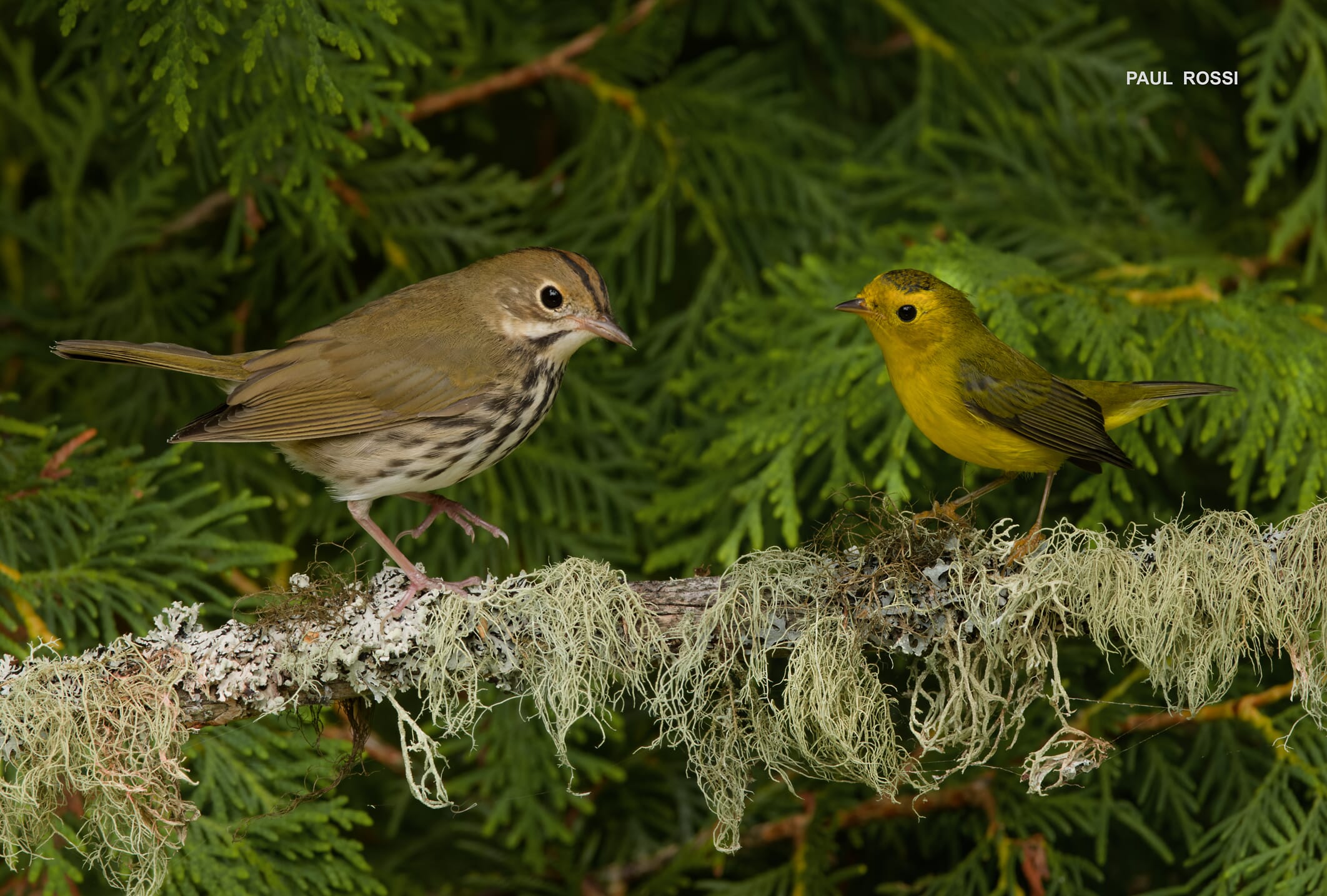
Ovenbird and Wilson’s Warbler
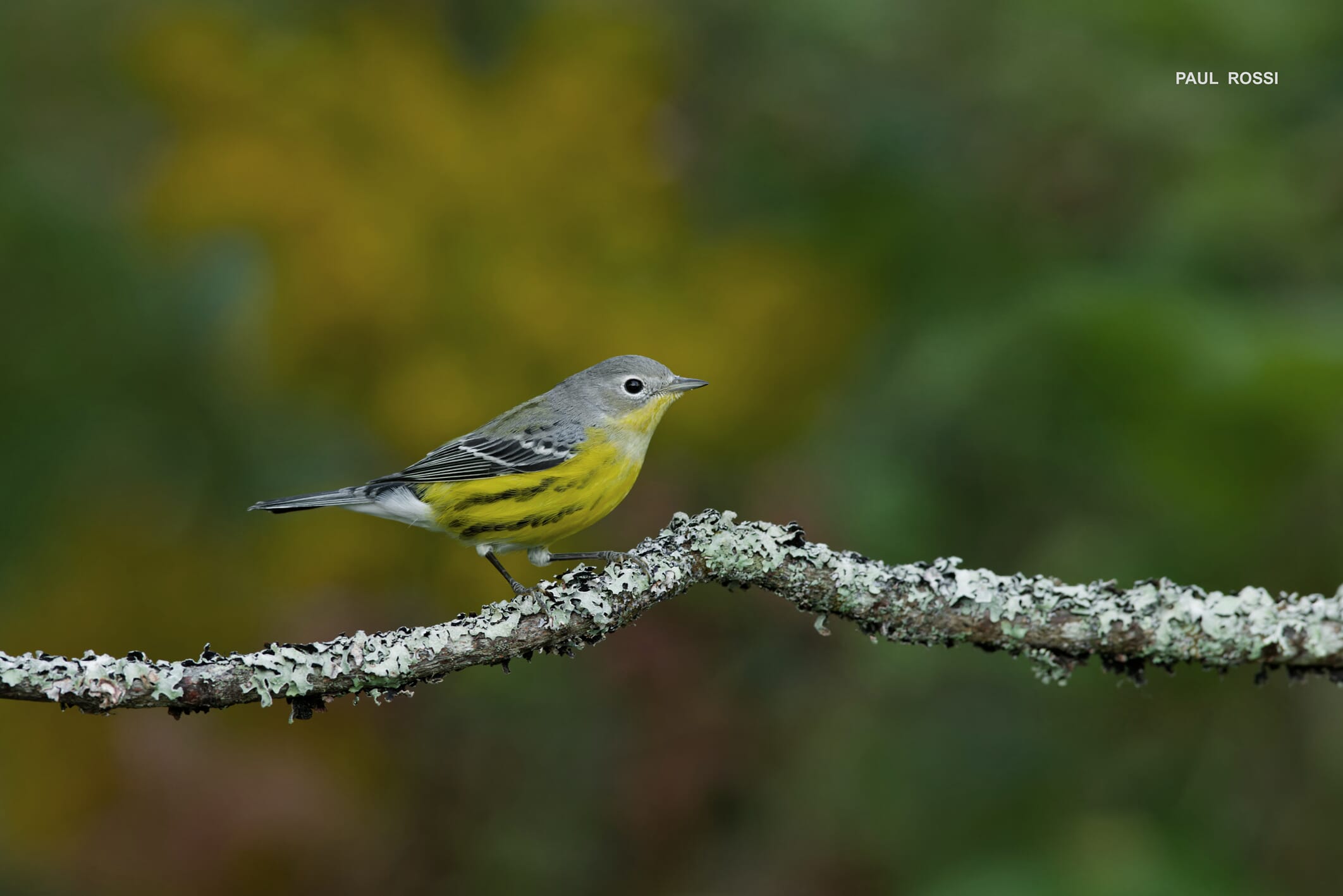
Magnolia Warbler
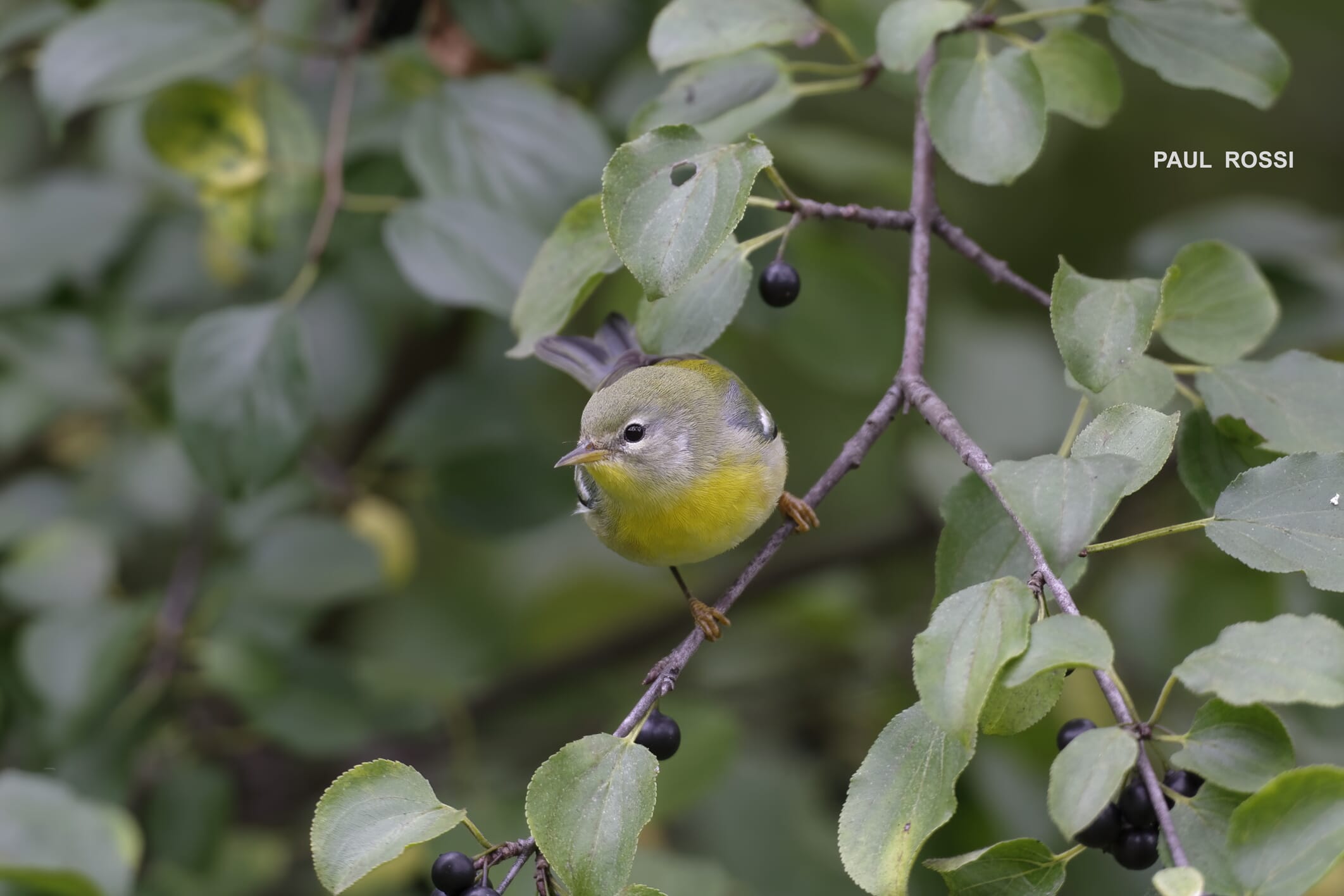
Northern Parula
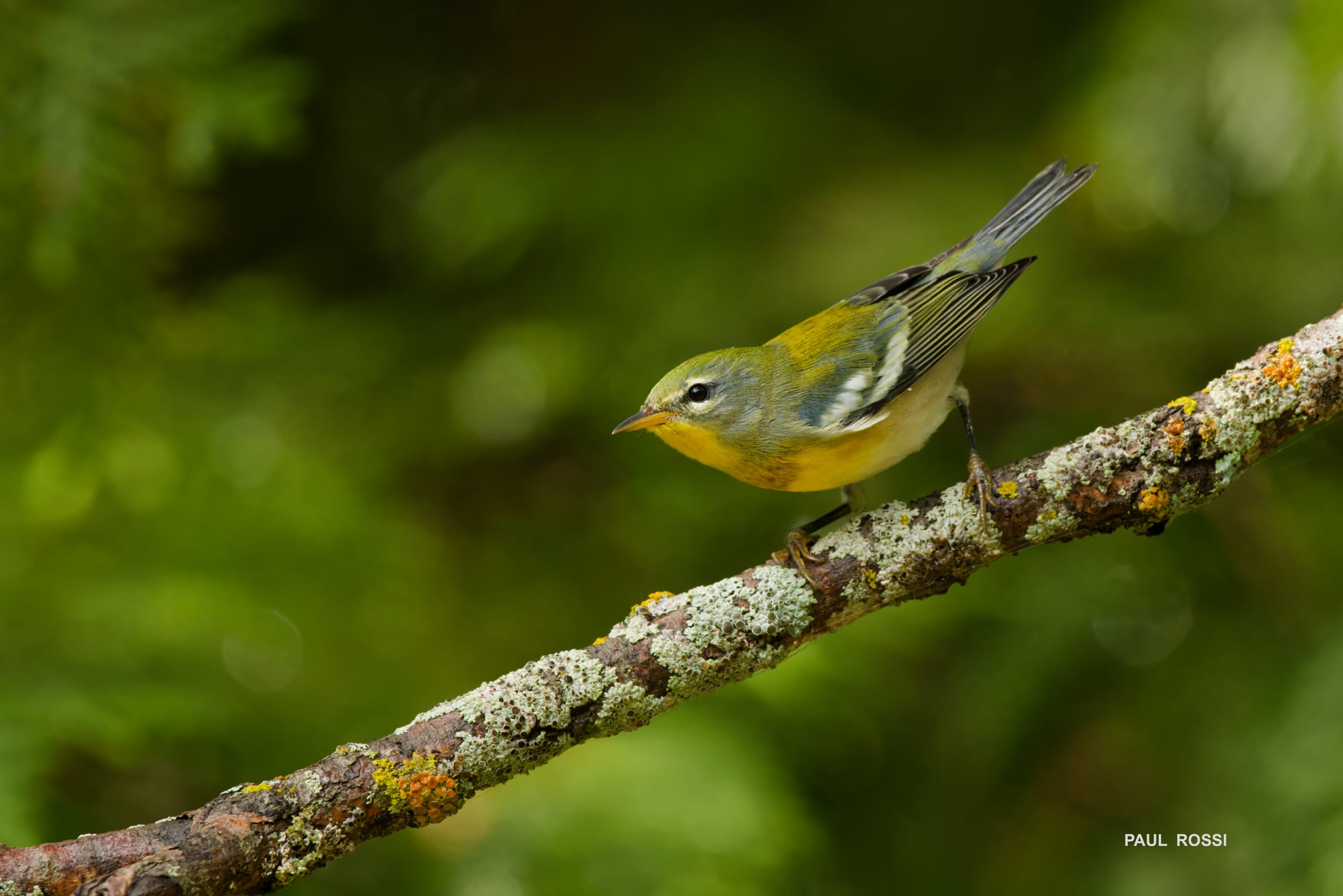
Northern Parula
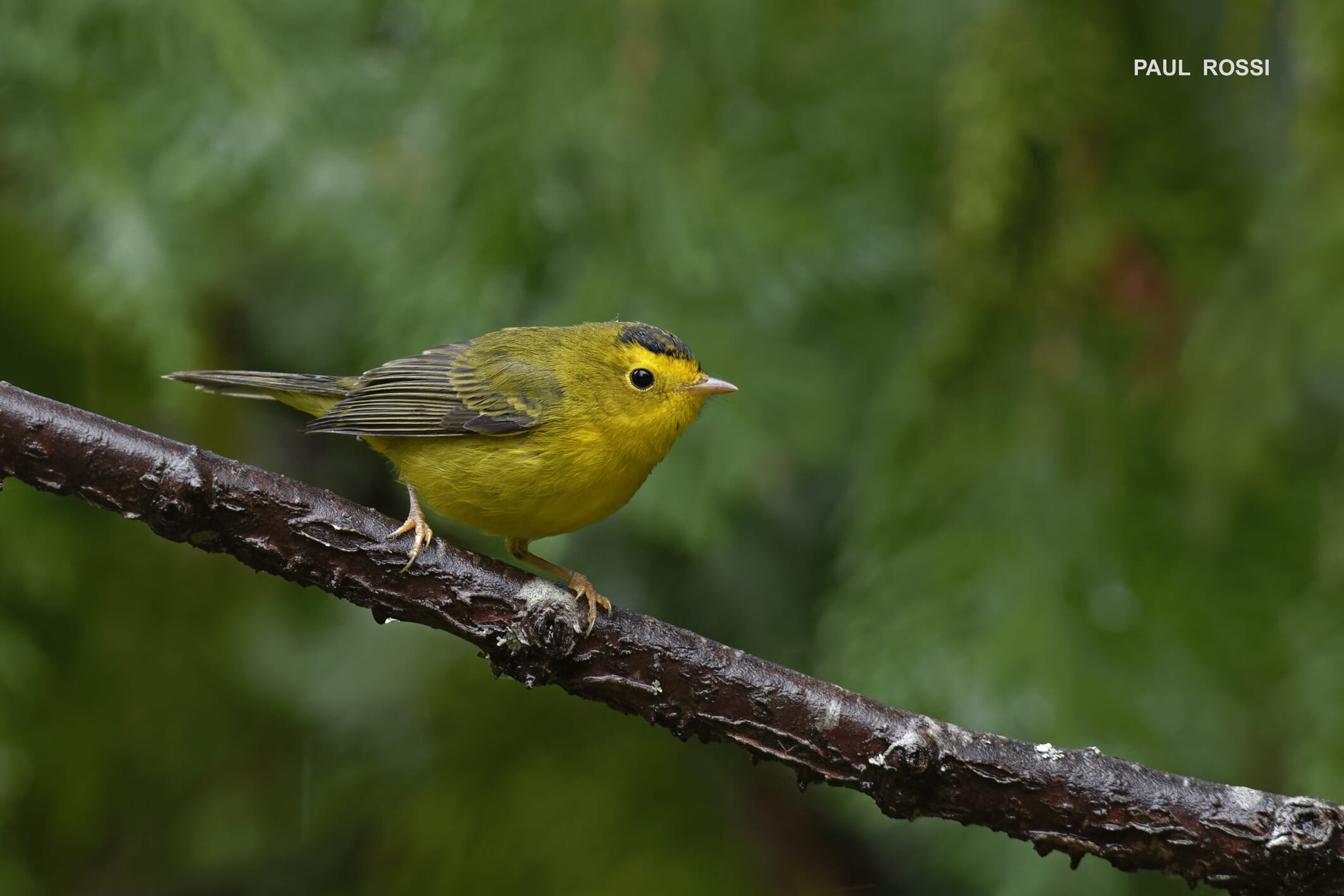
Wilson’s Warbler
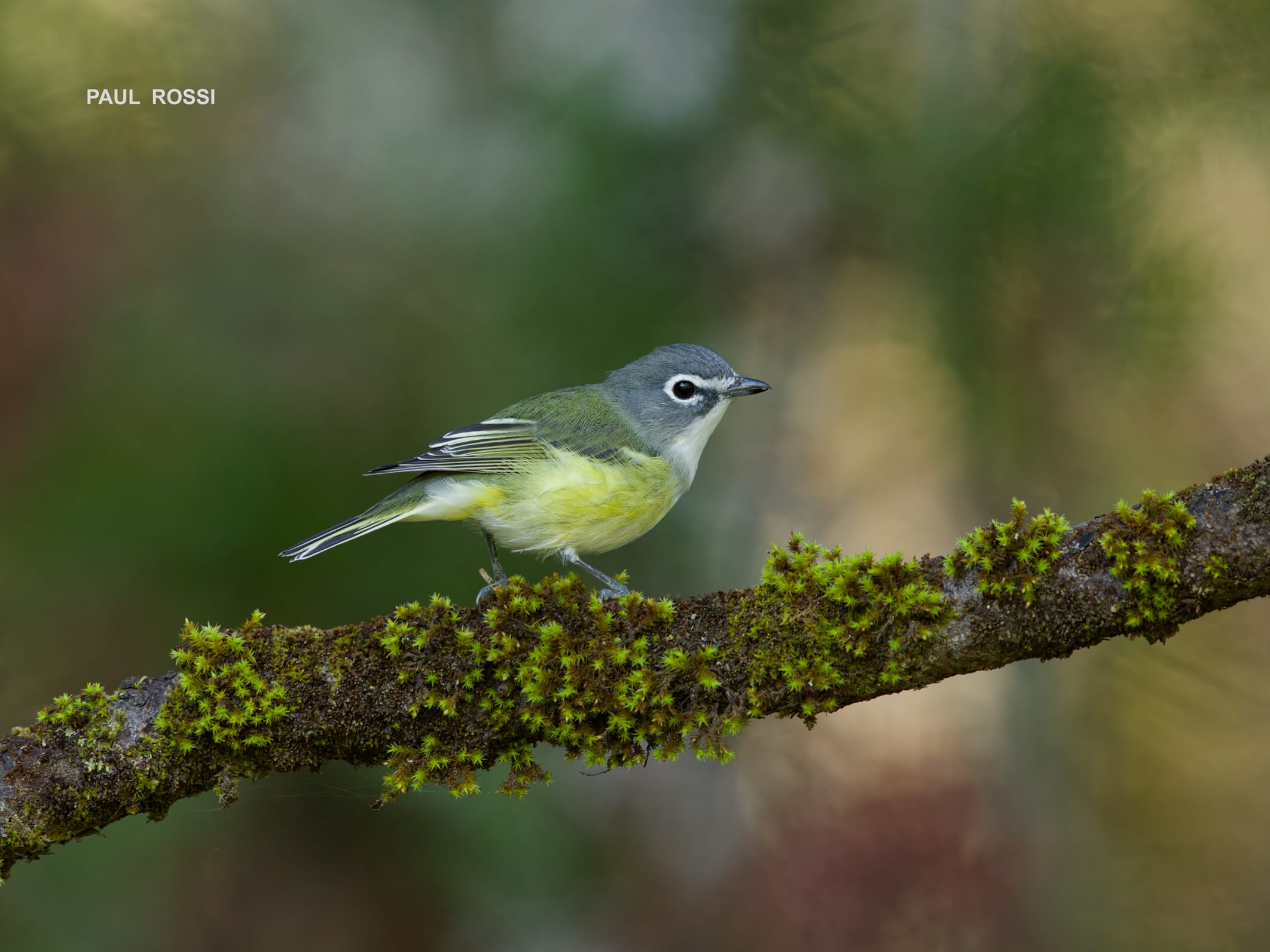
Blue-headed Vireo
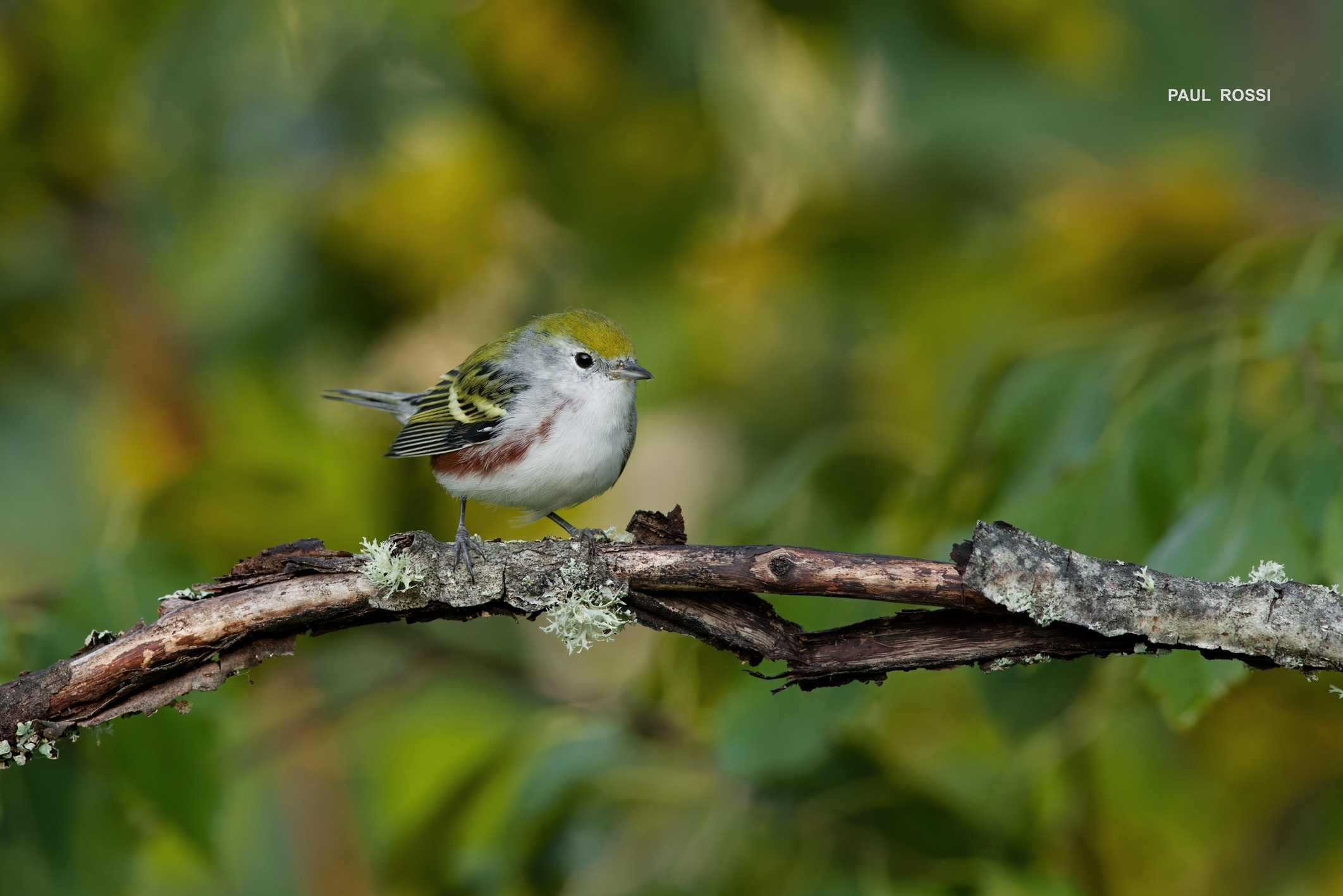
Chestnut-sided Warbler
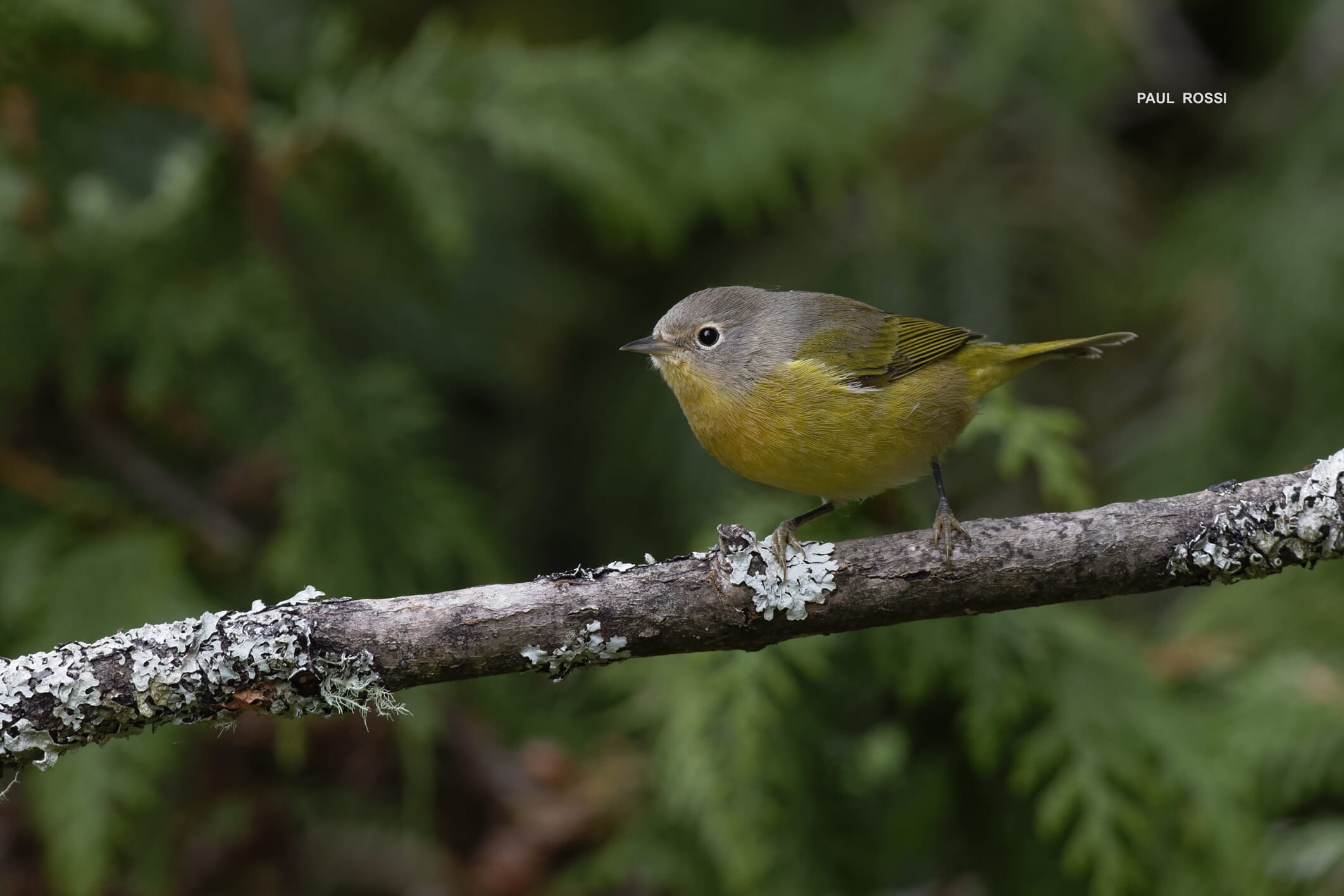
Nashville Warbler
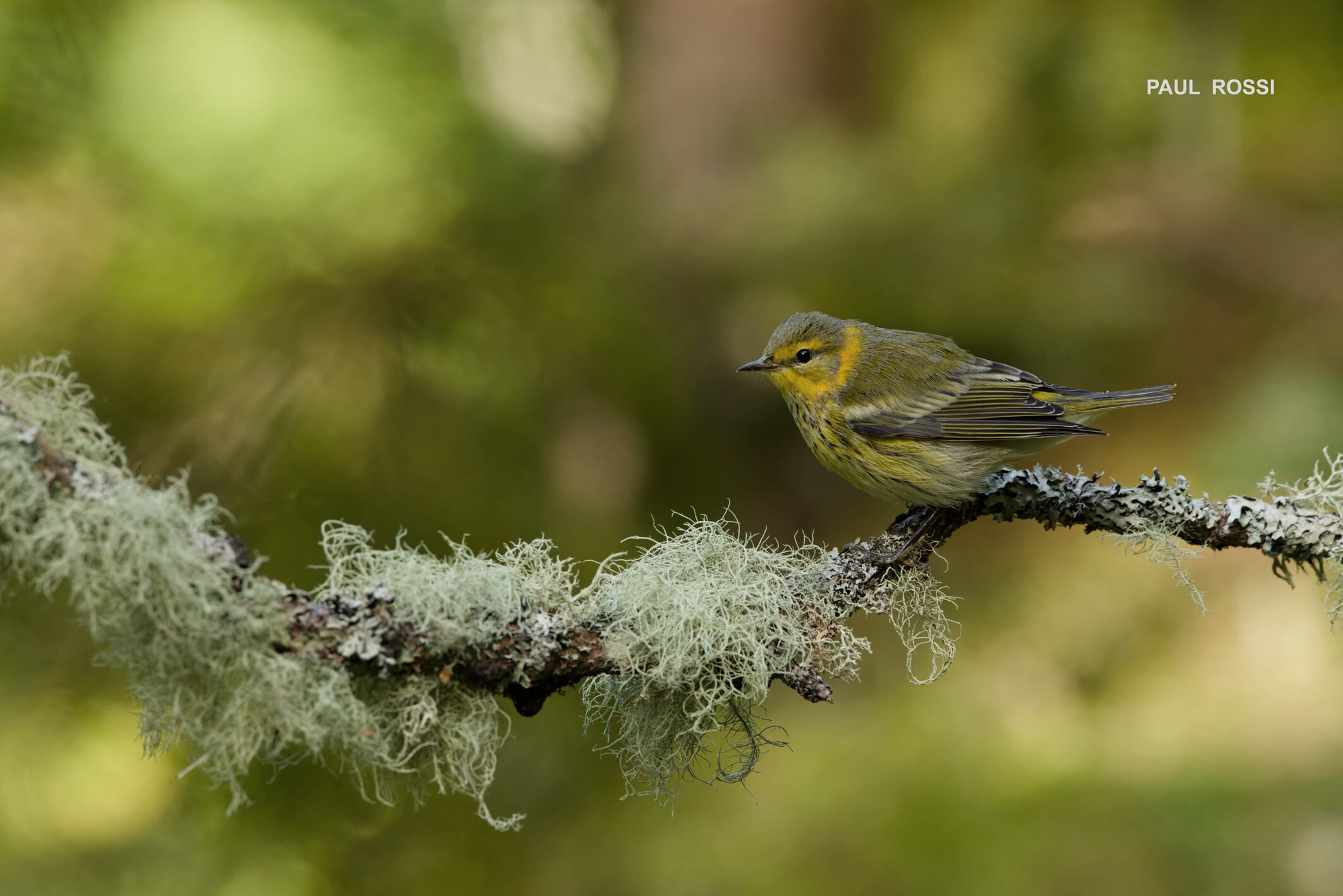
Cape May Warbler
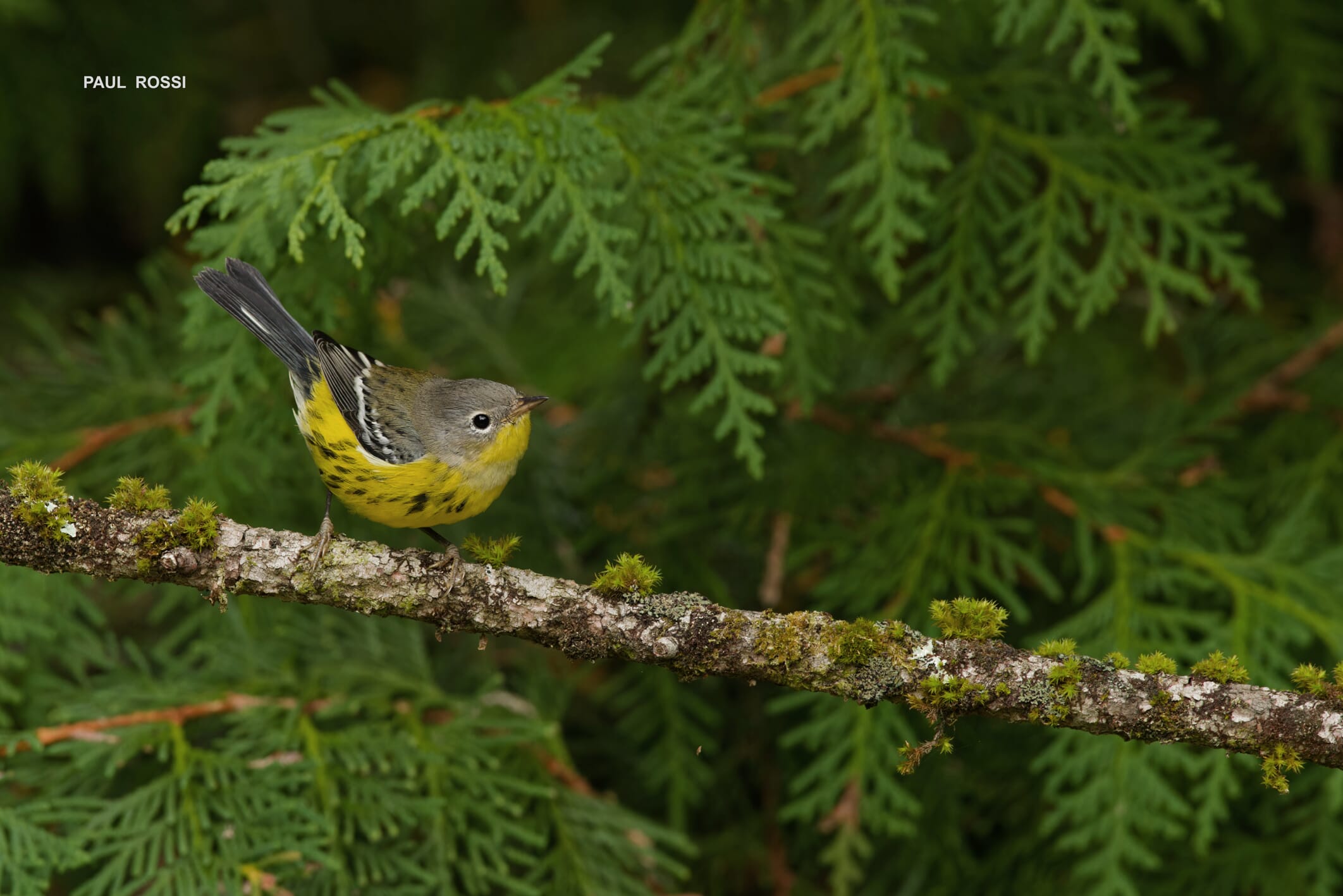
Magnolia Warbler
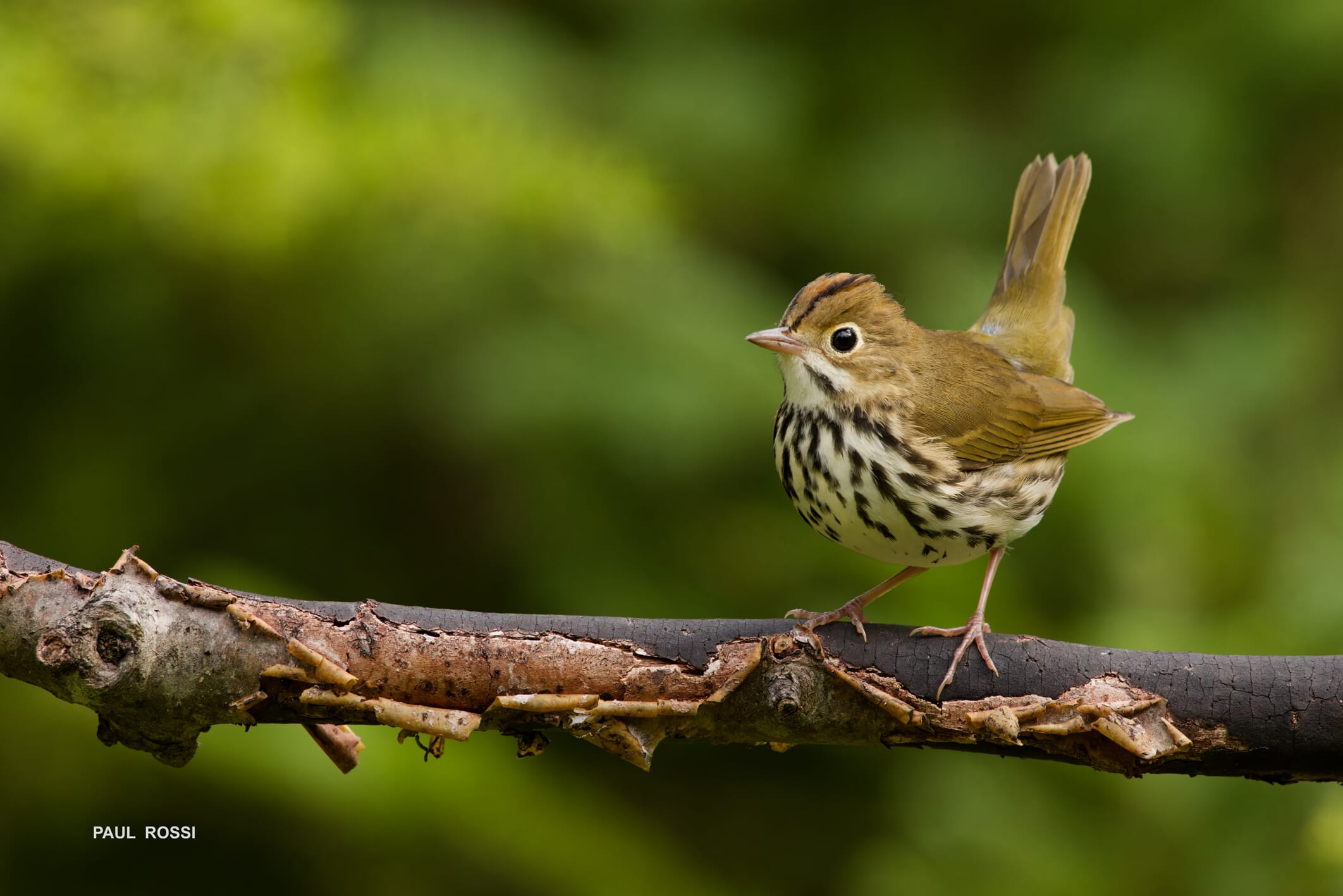
Ovenbird
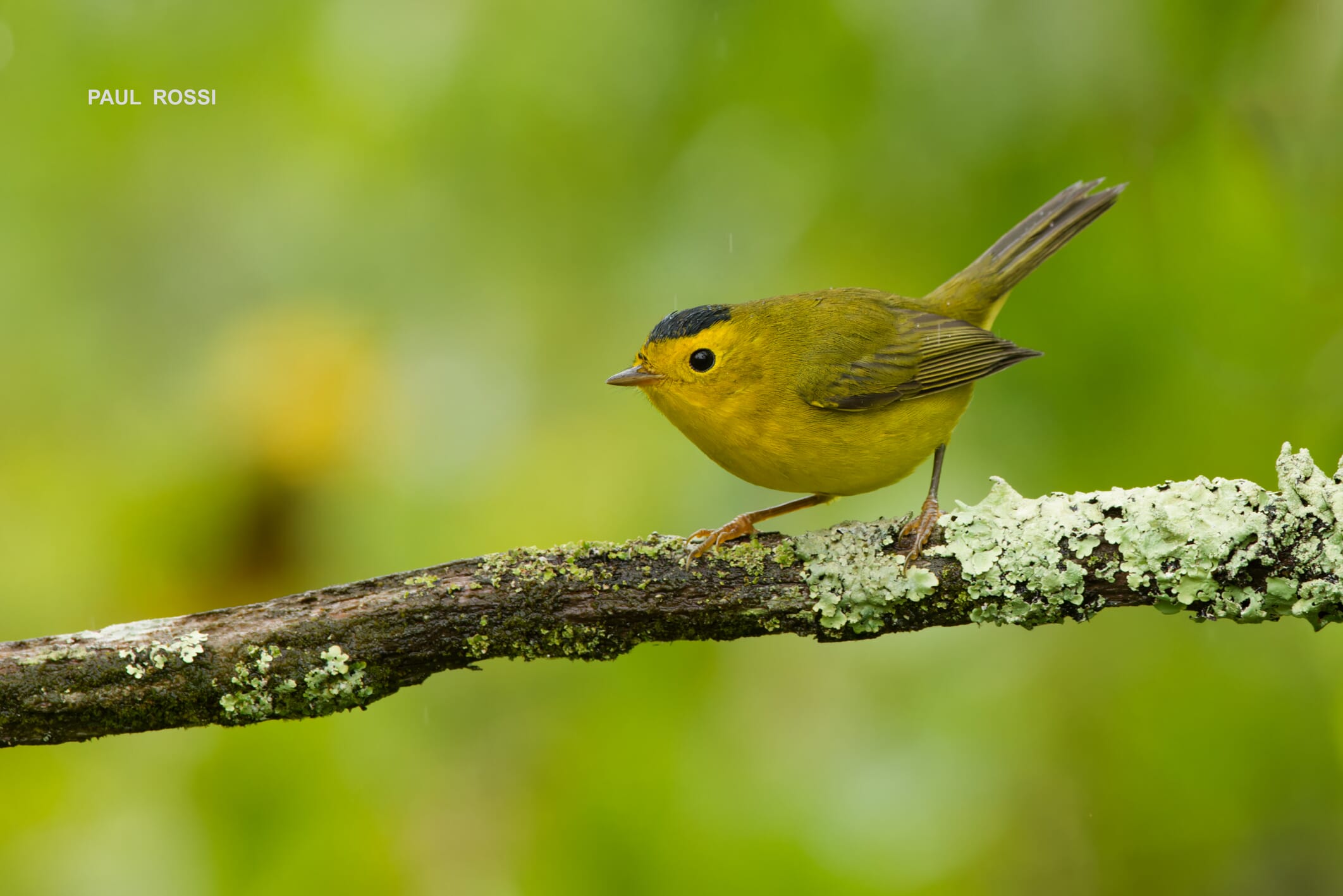
Male Wilson’s Warbler
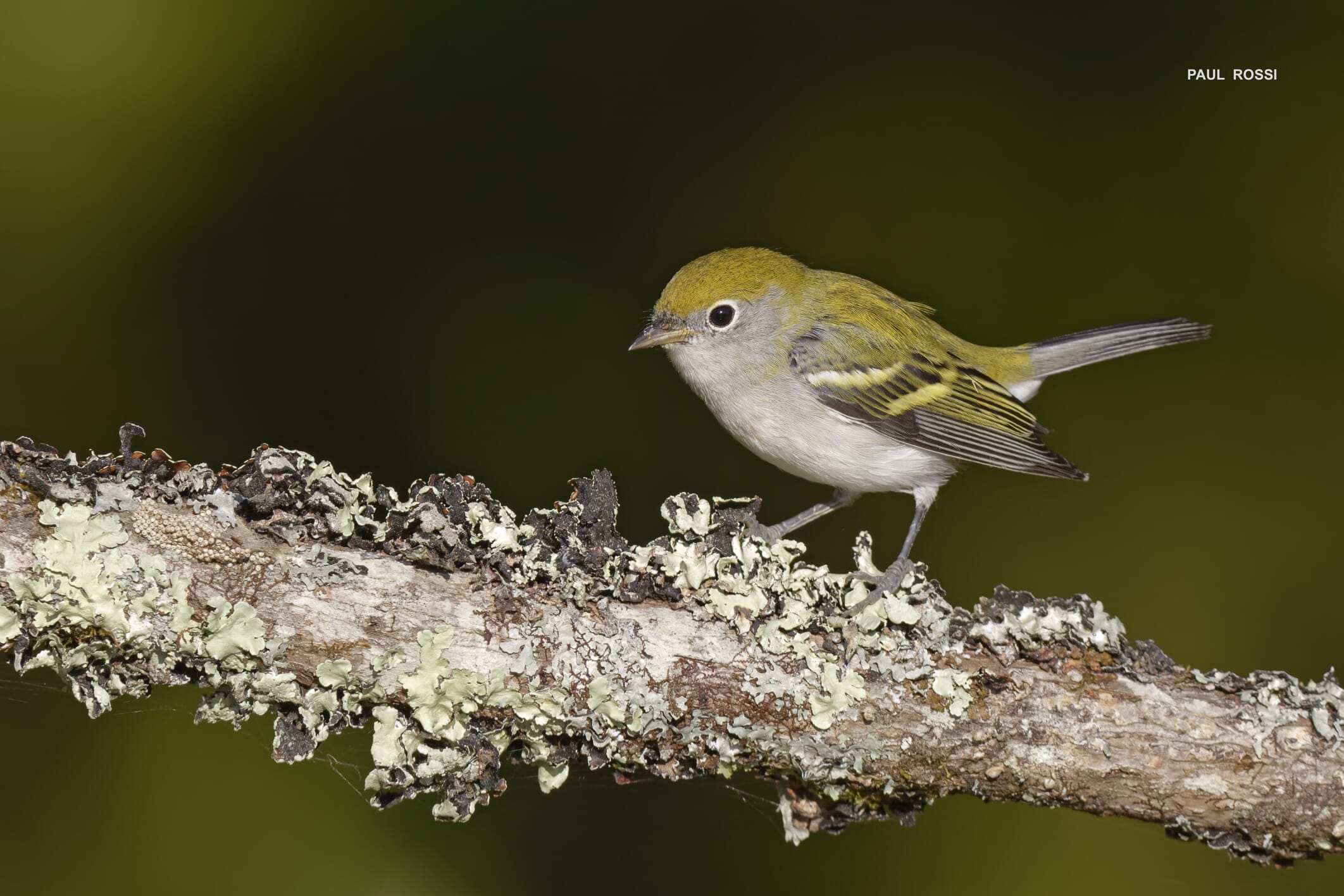
Chestnut-sided Warbler
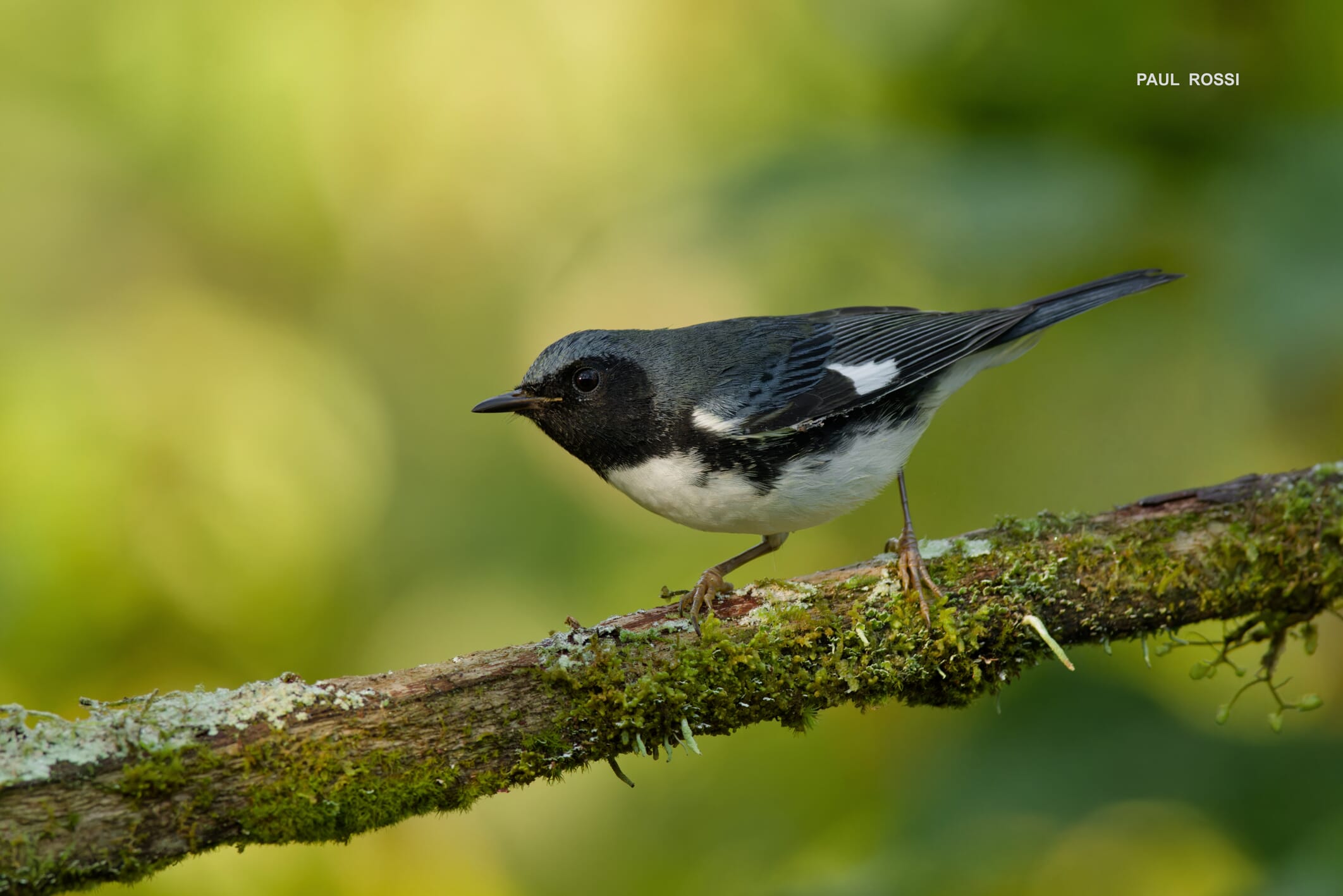
Male Black-throated Blue Warbler
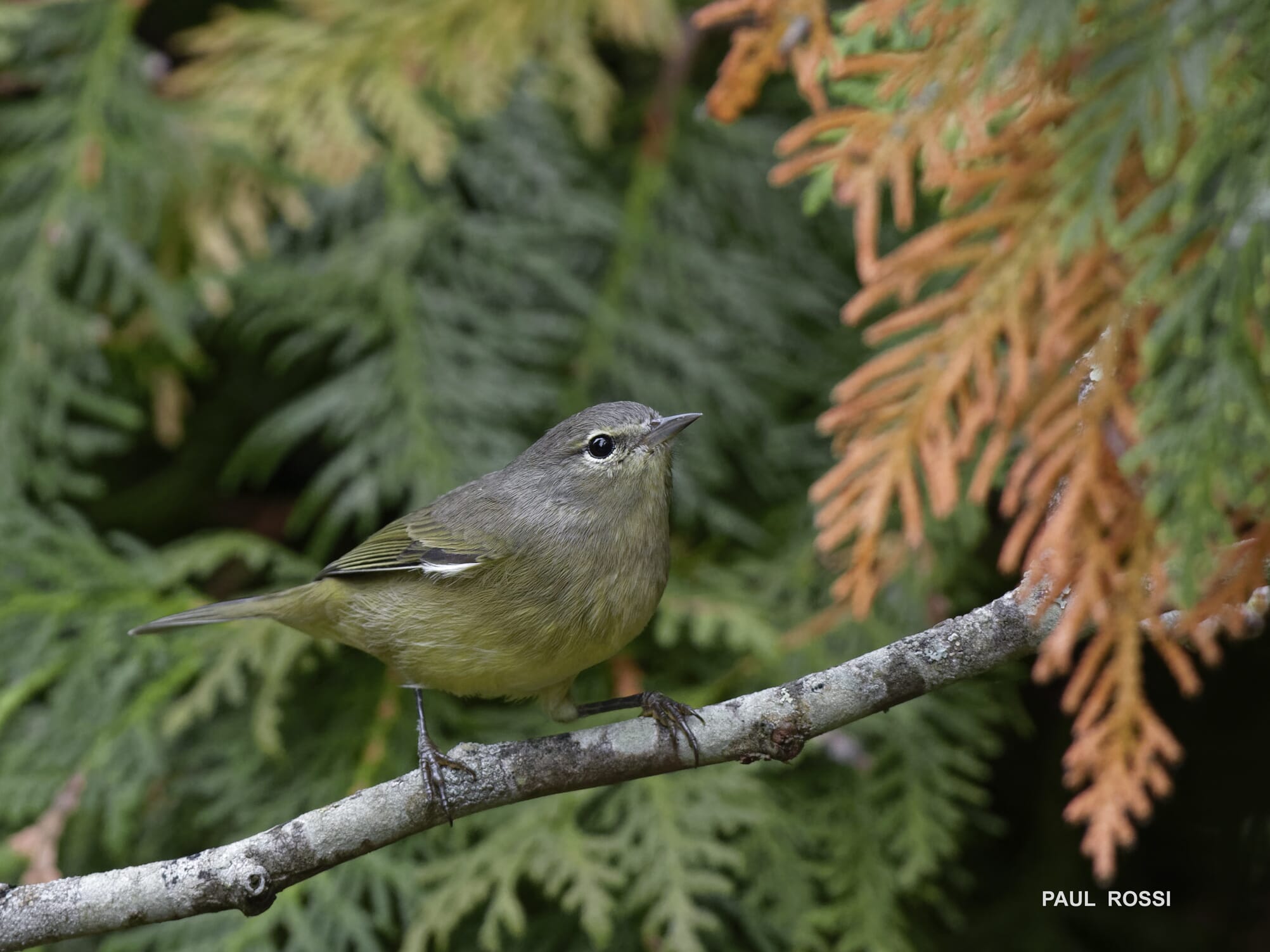
Orange-crowned Warbler
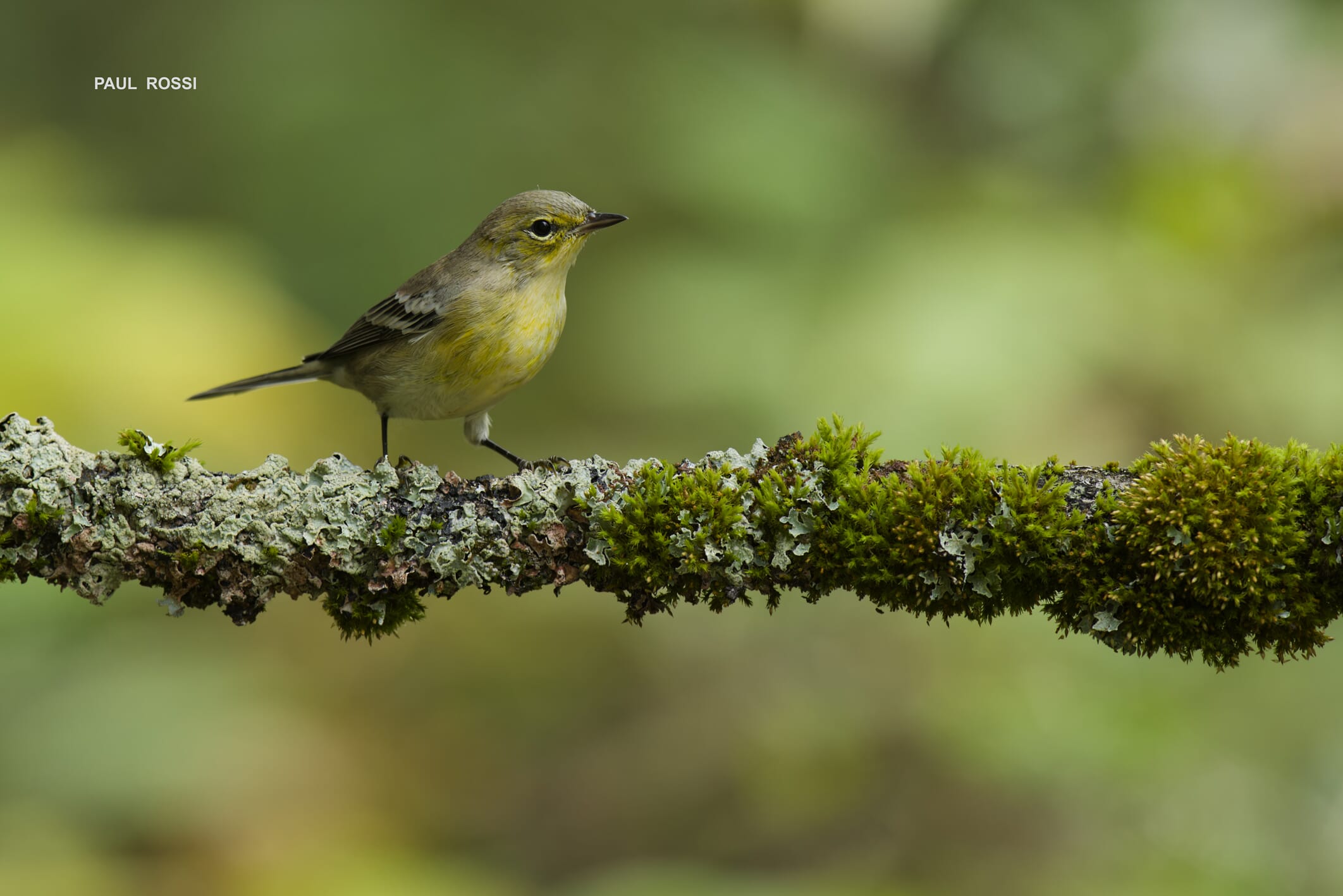
Pine Warbler
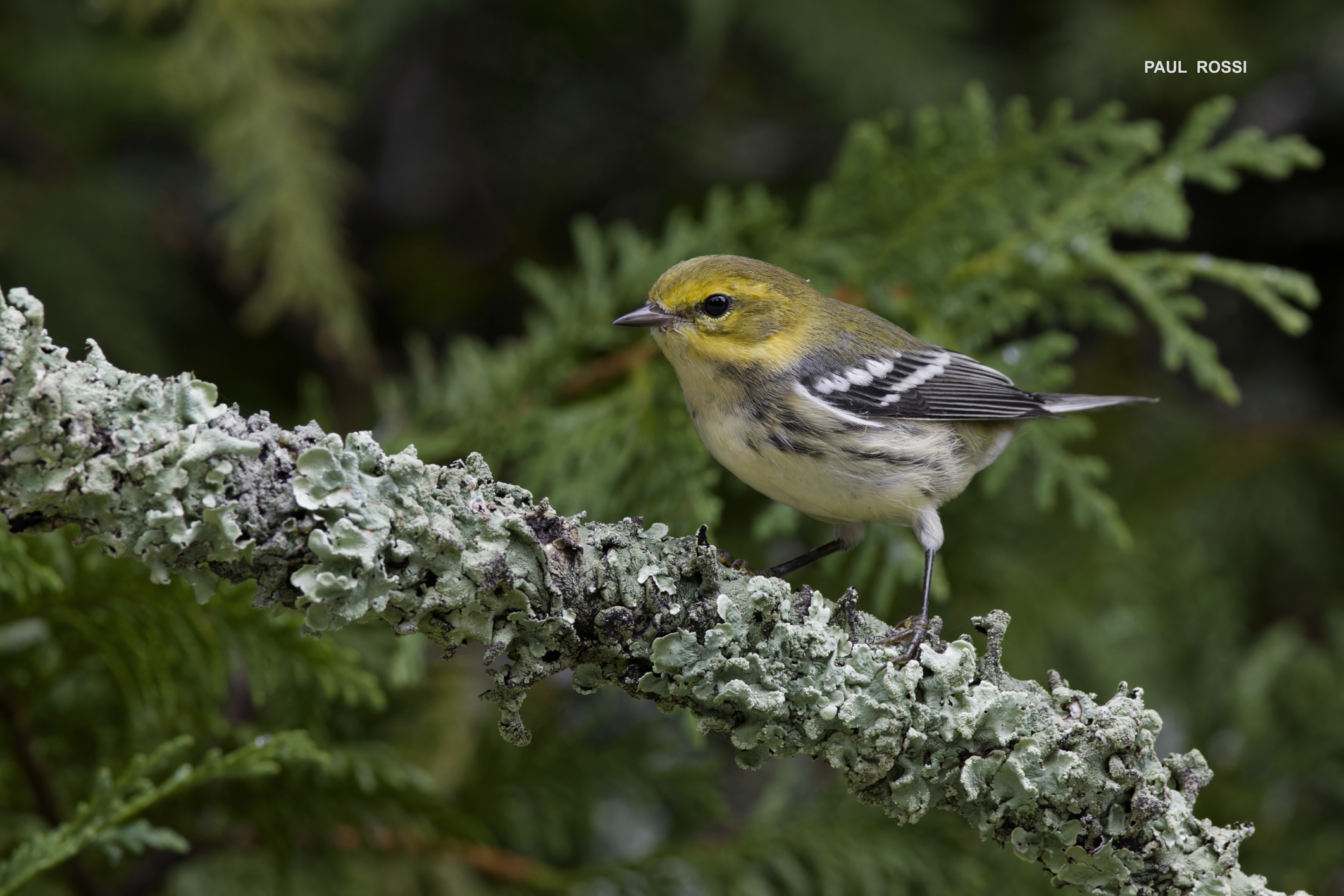
Black-throated Green Warbler
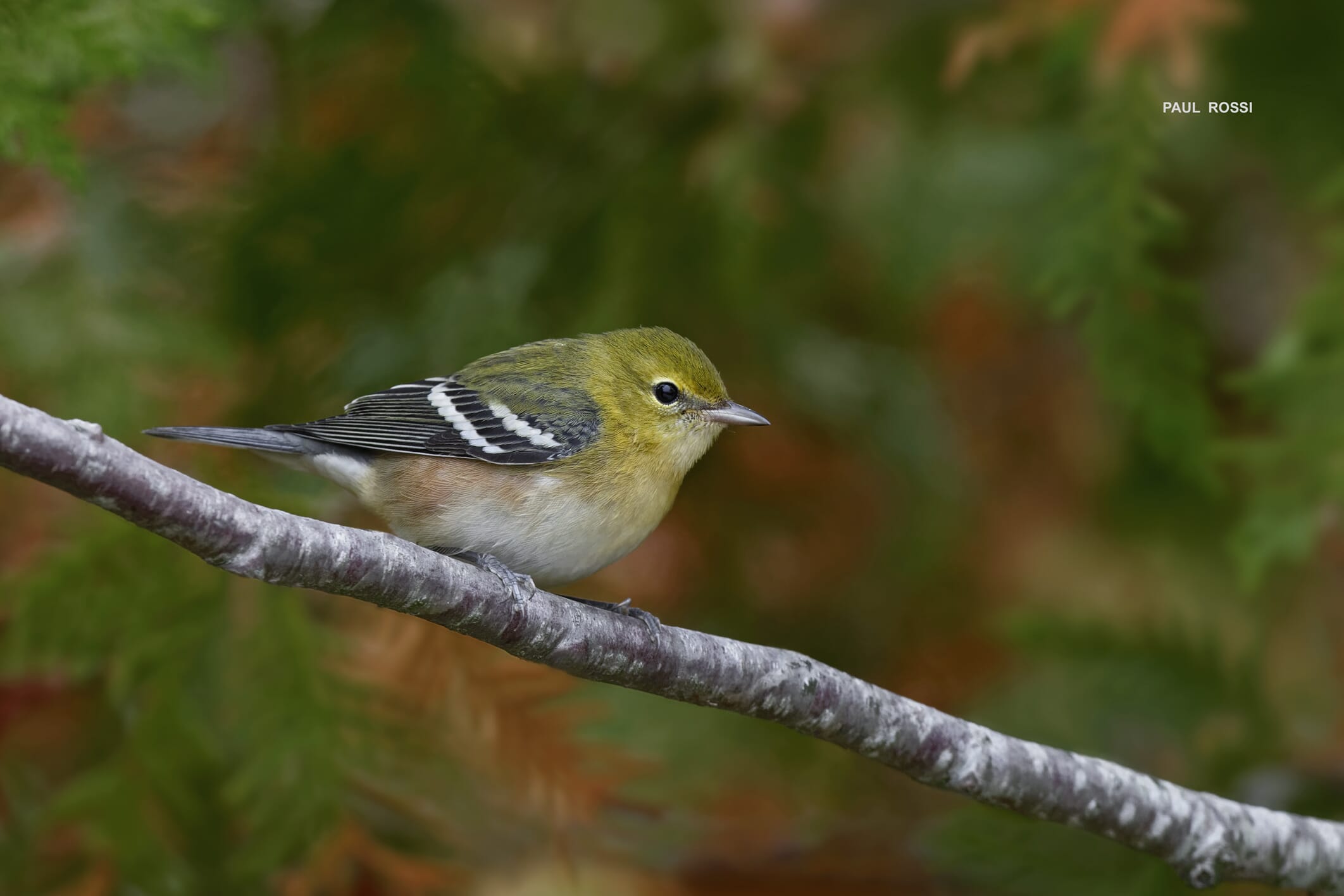
Bay-breasted Warbler
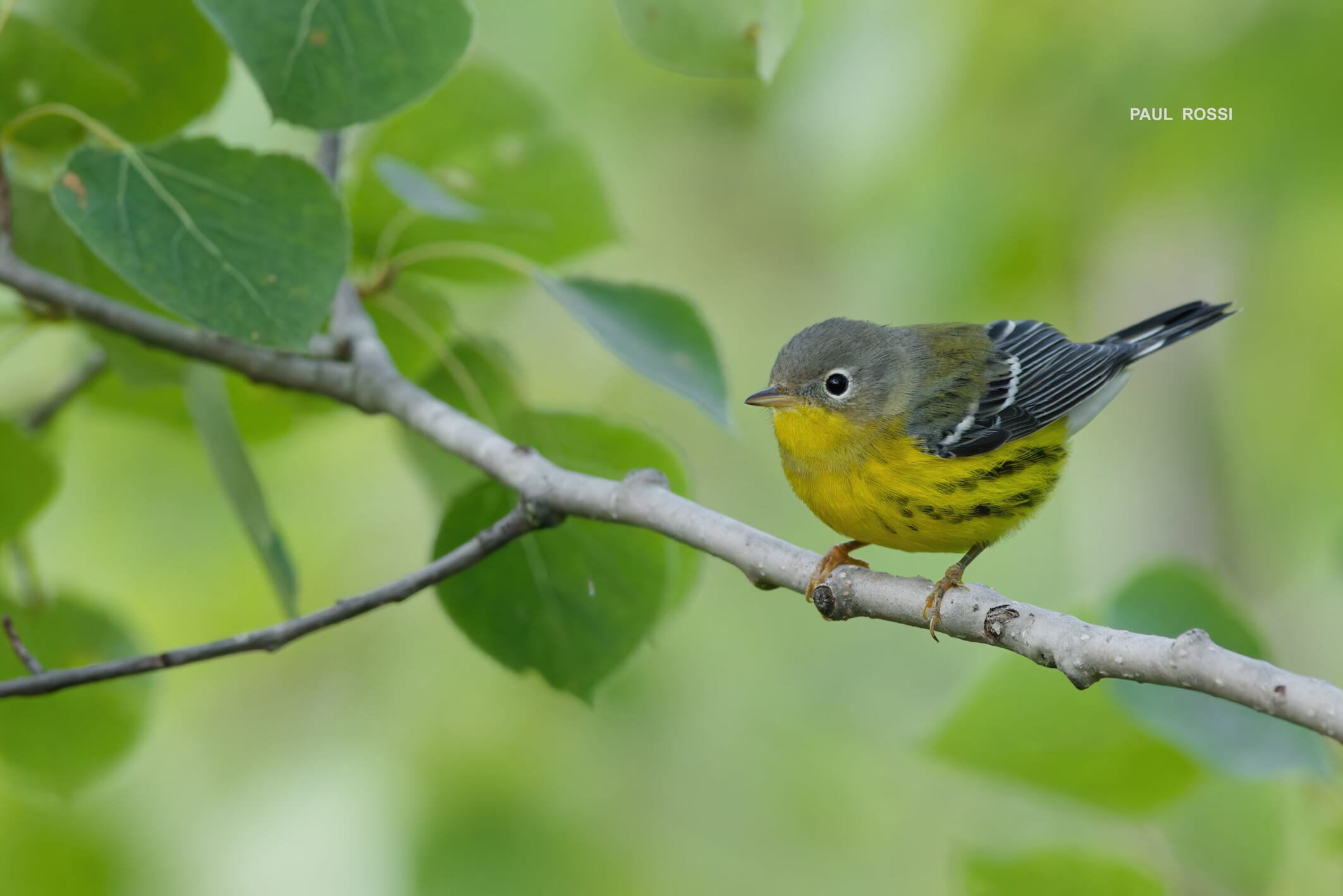
Magnolia Warbler
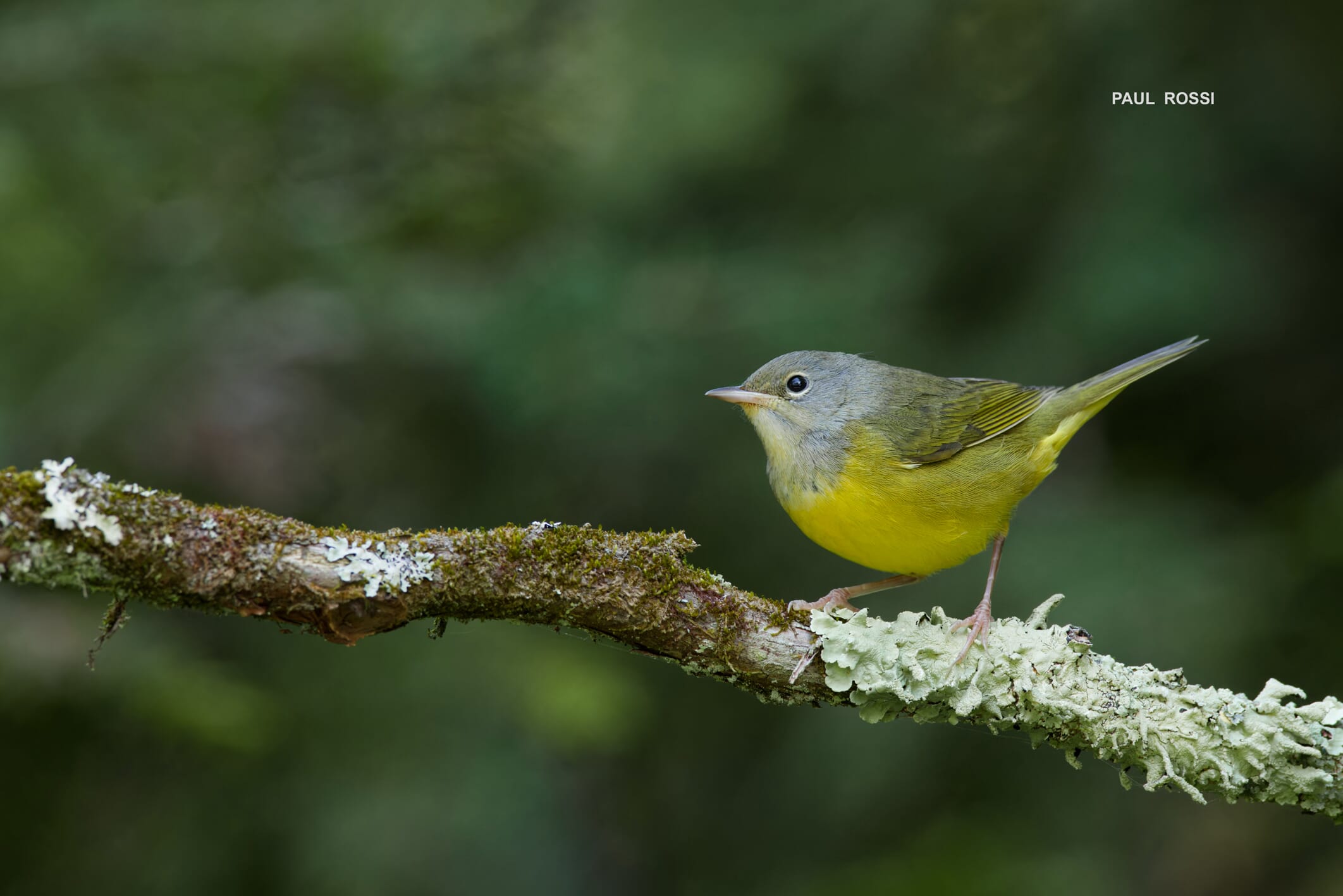
Mourning Warbler
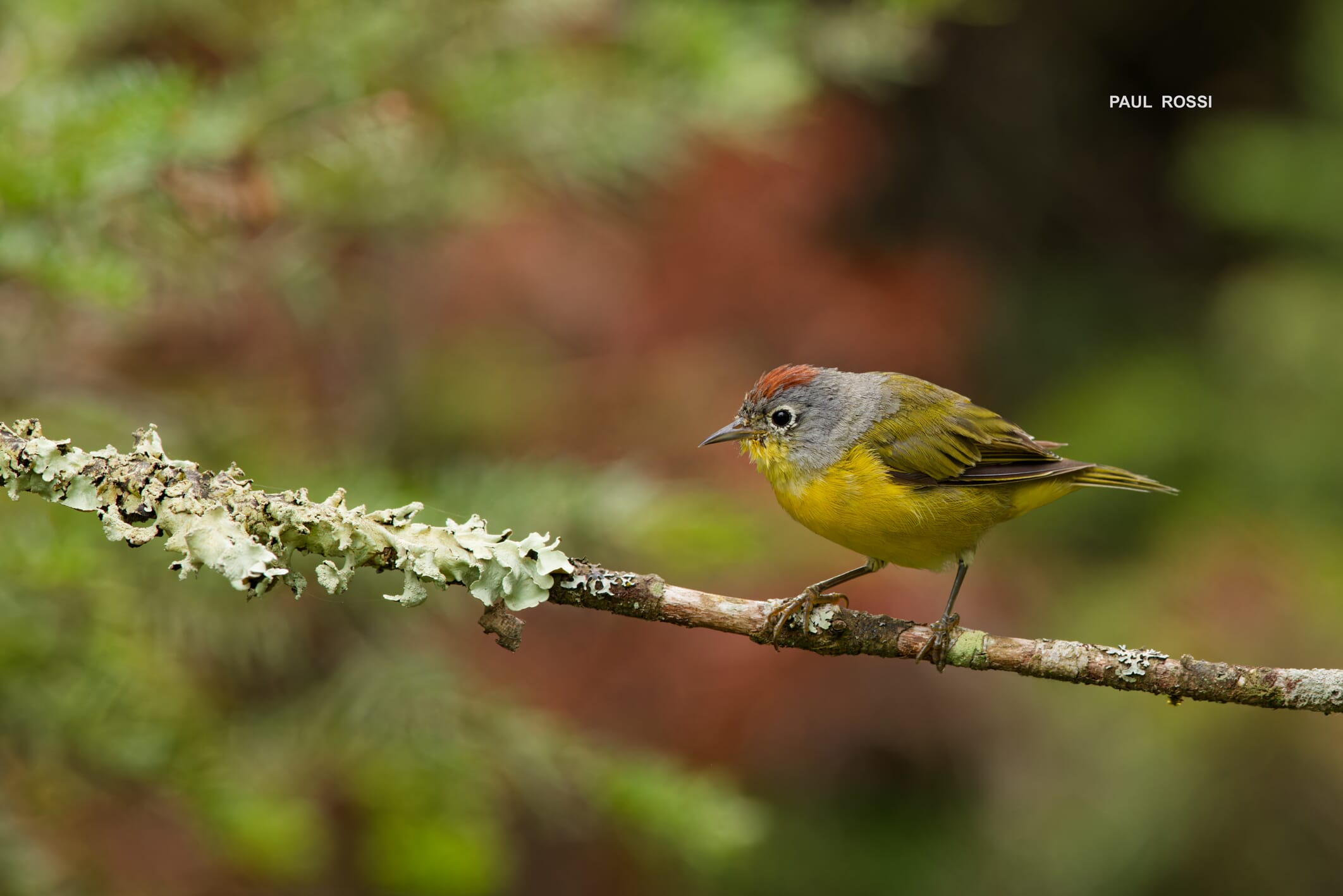
Nashville Warbler
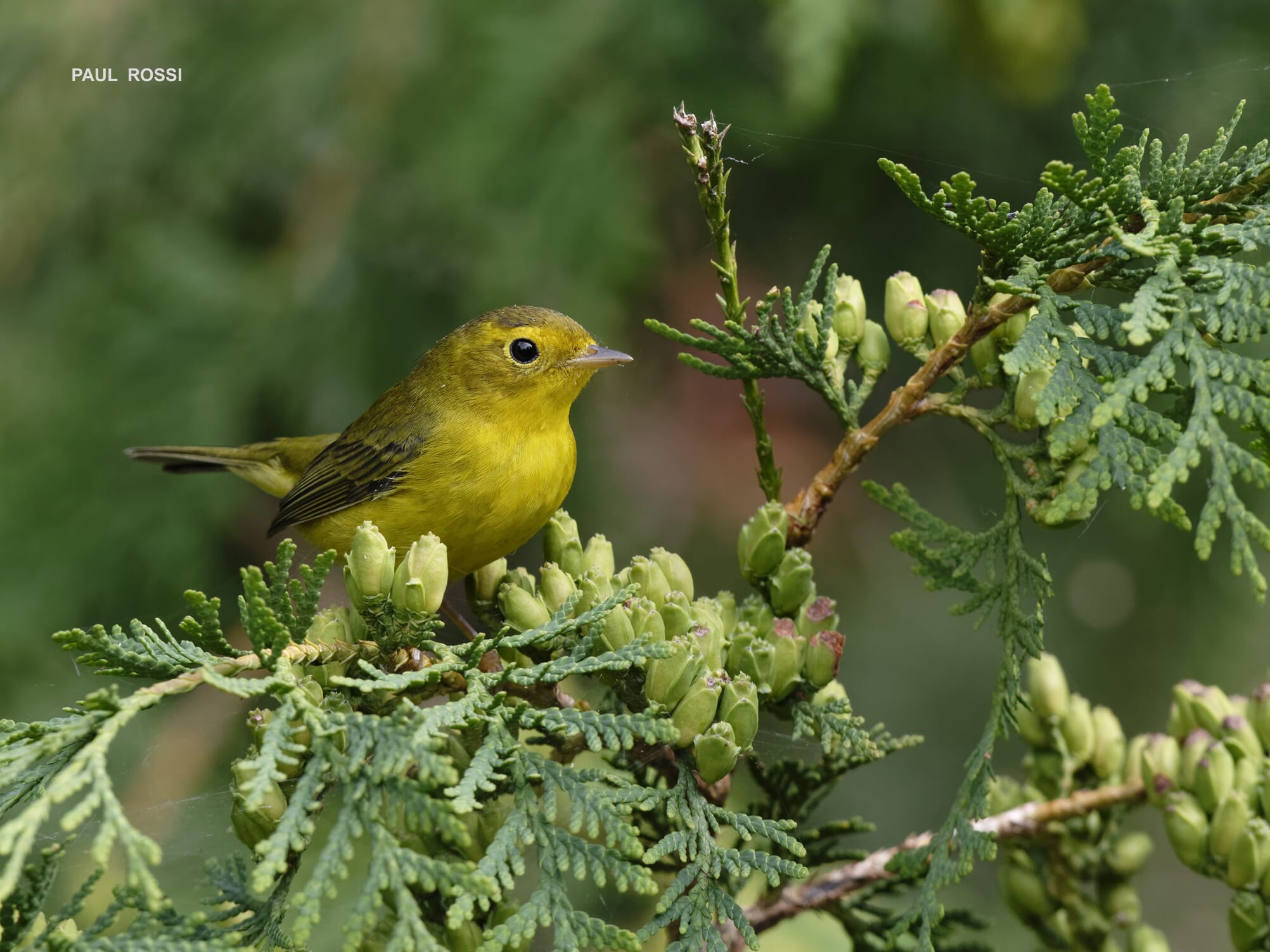
Wilson’s Warbler
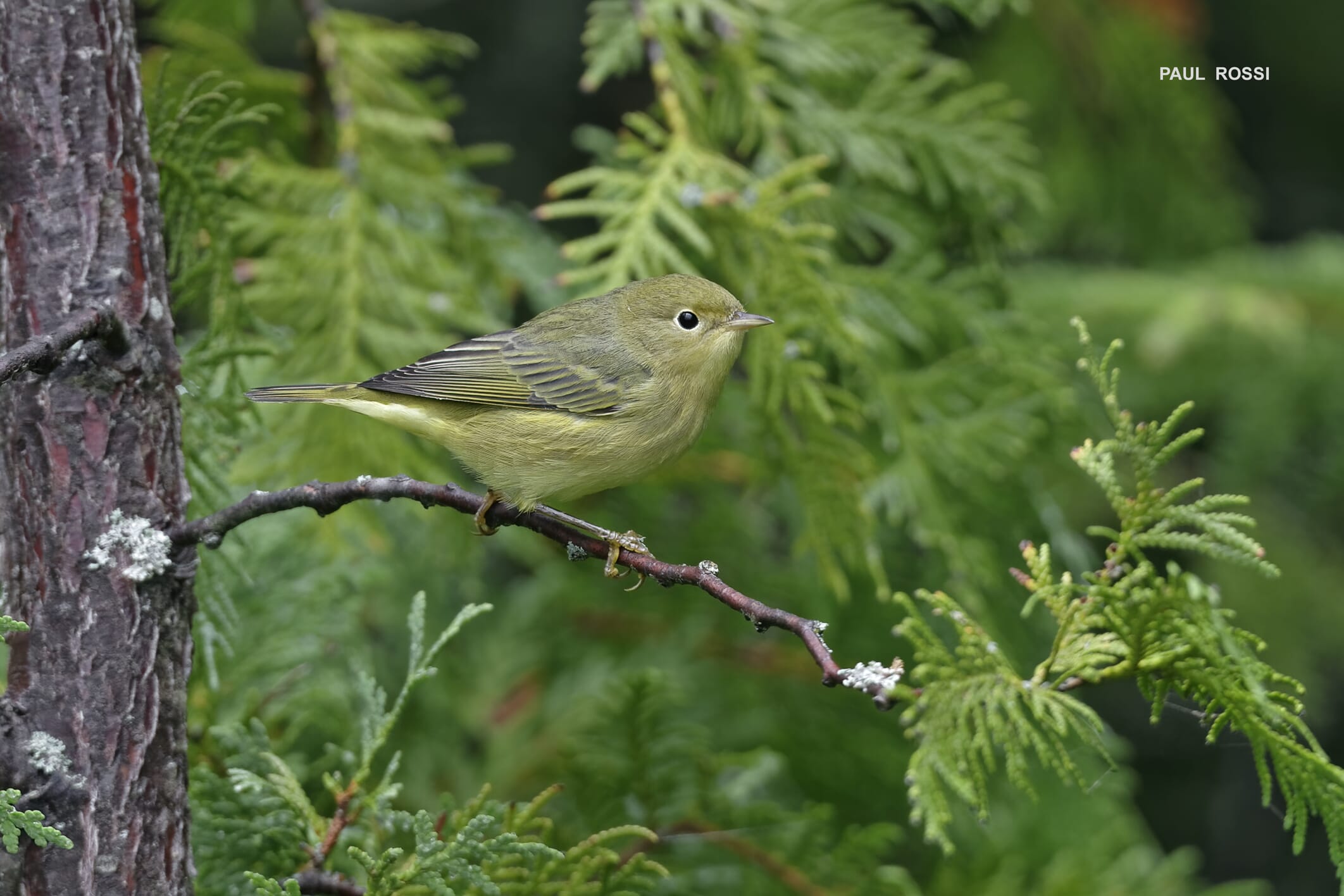
Yellow Warbler
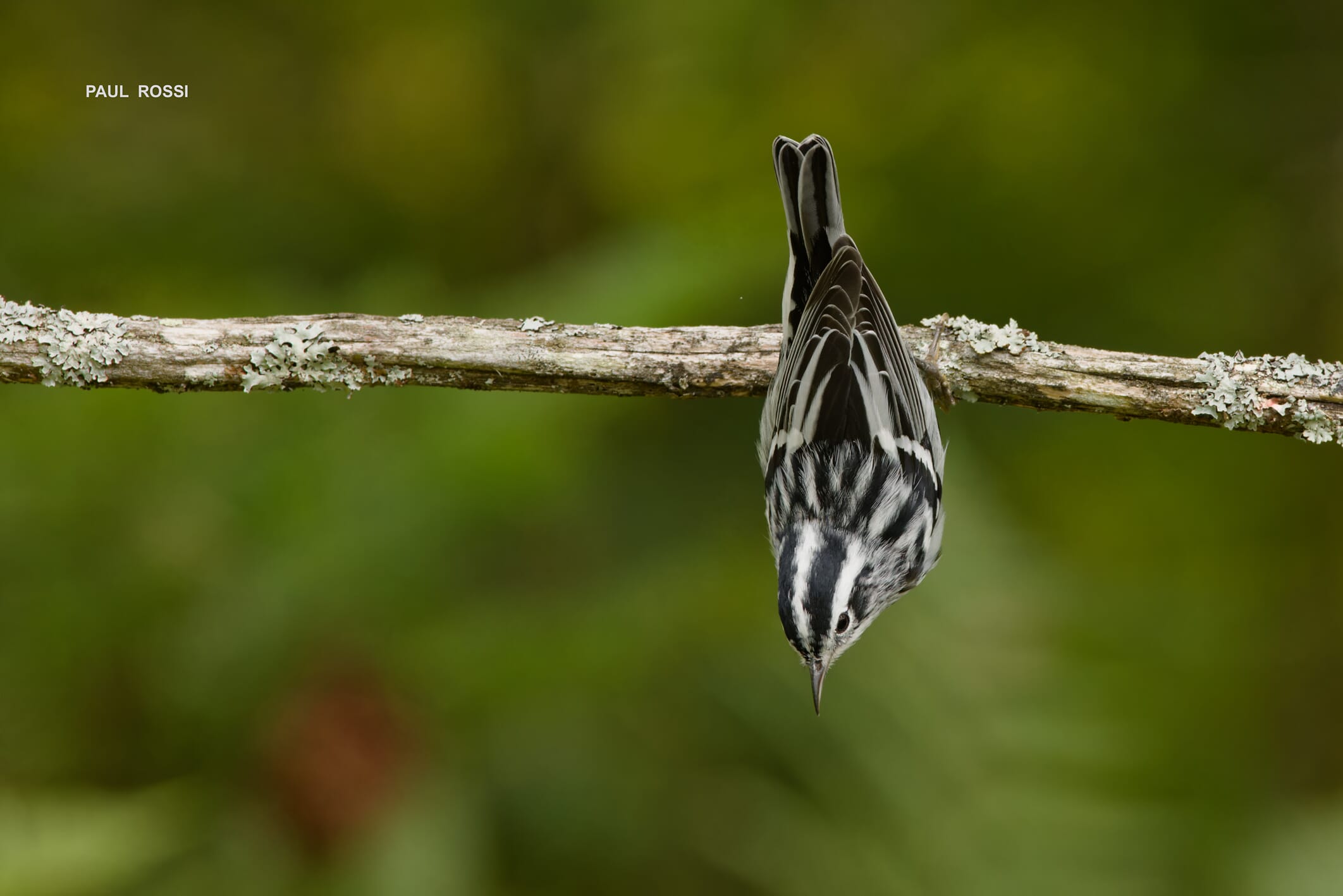
Black and White Warbler
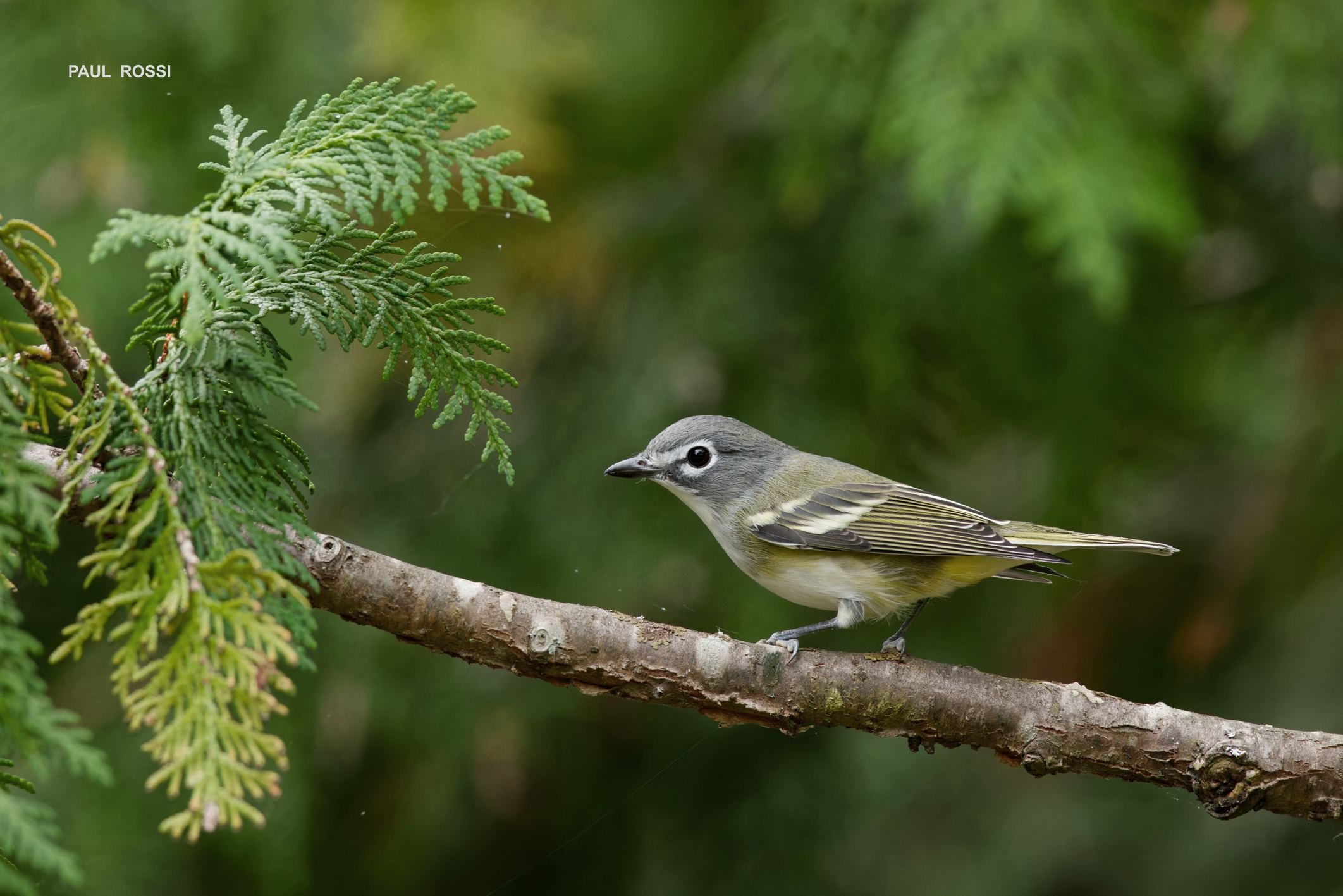
Blue-headed Vireo
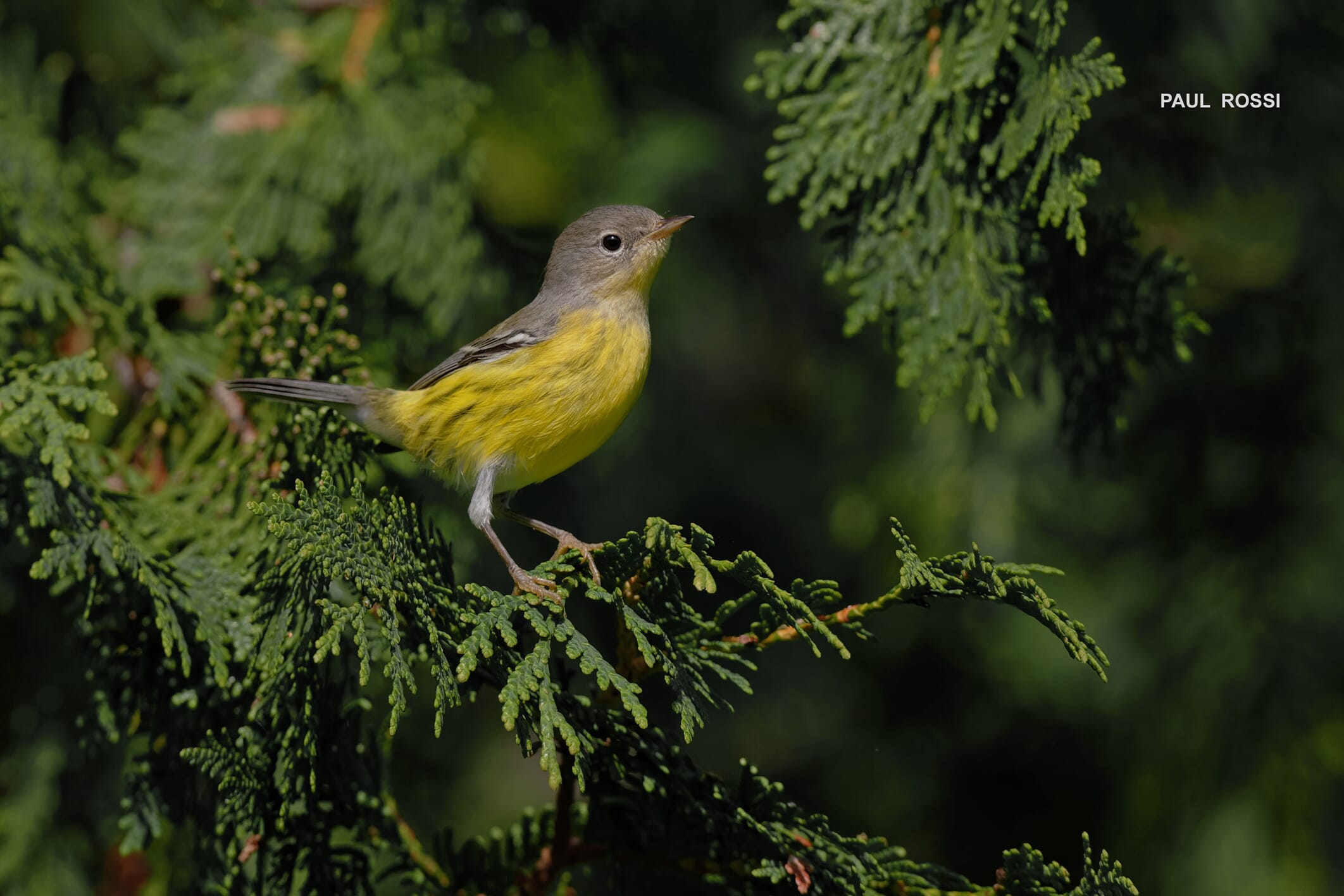
Magnolia Warbler
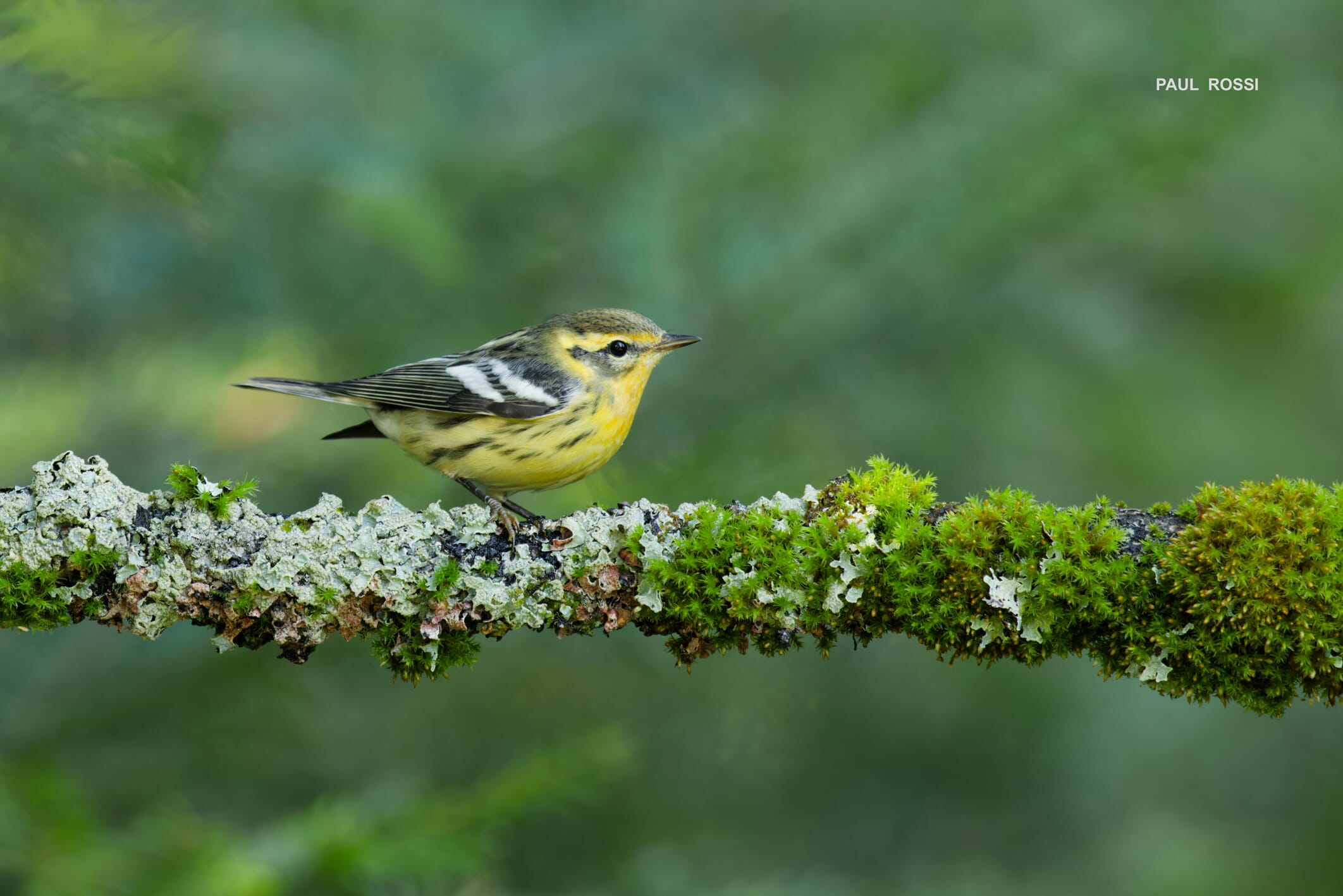
Blackburnian Warbler
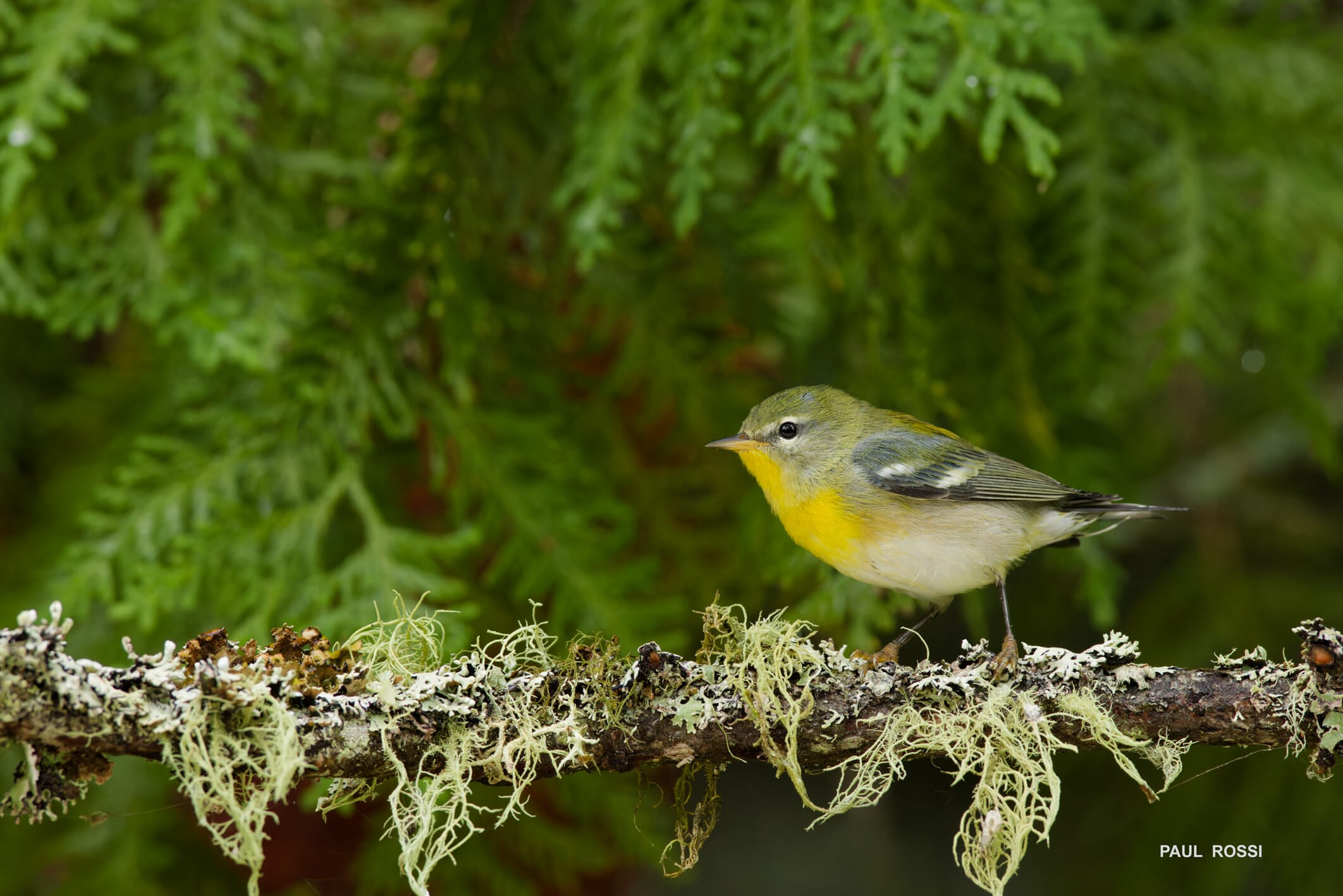
Northern Parula
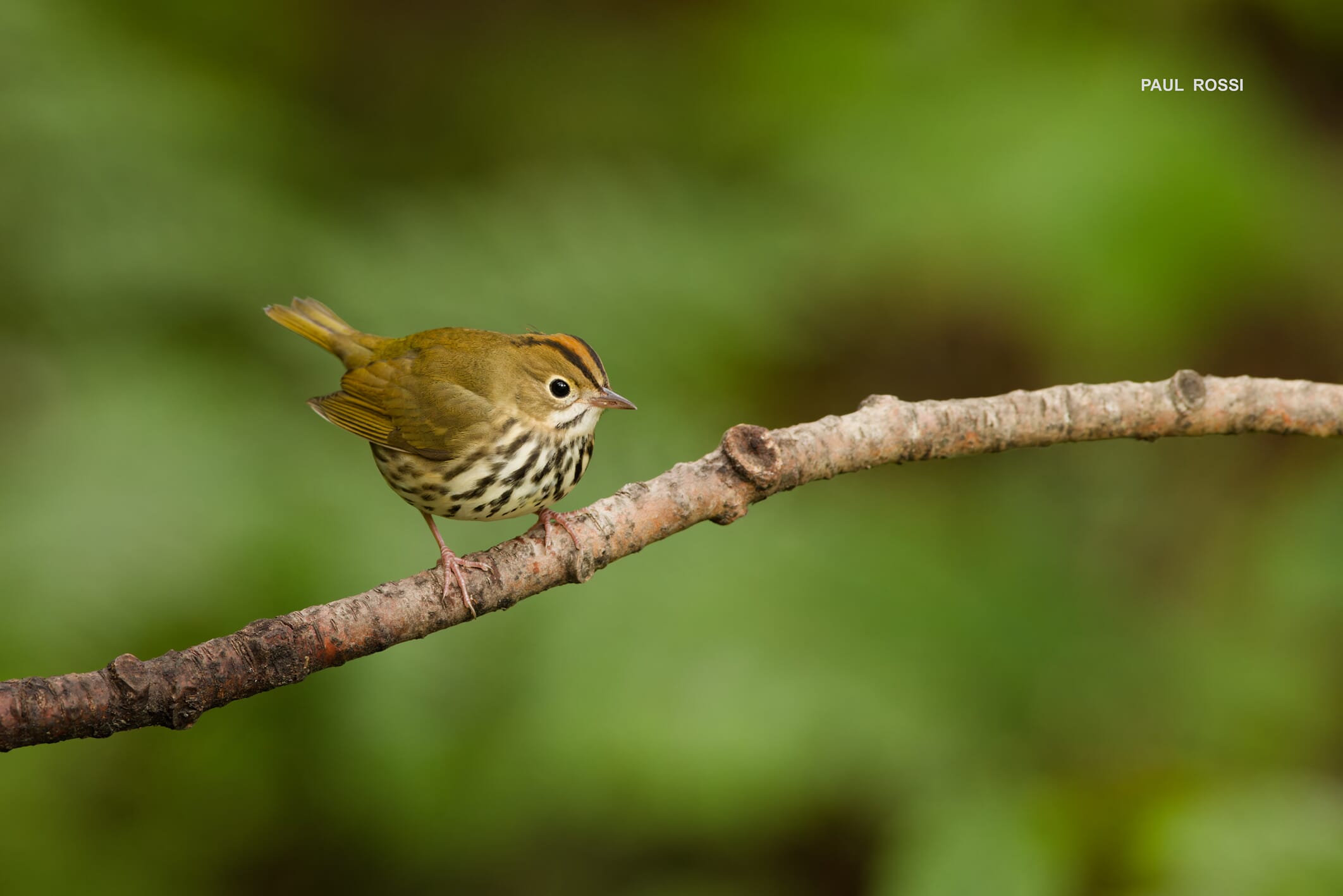
Ovenbird
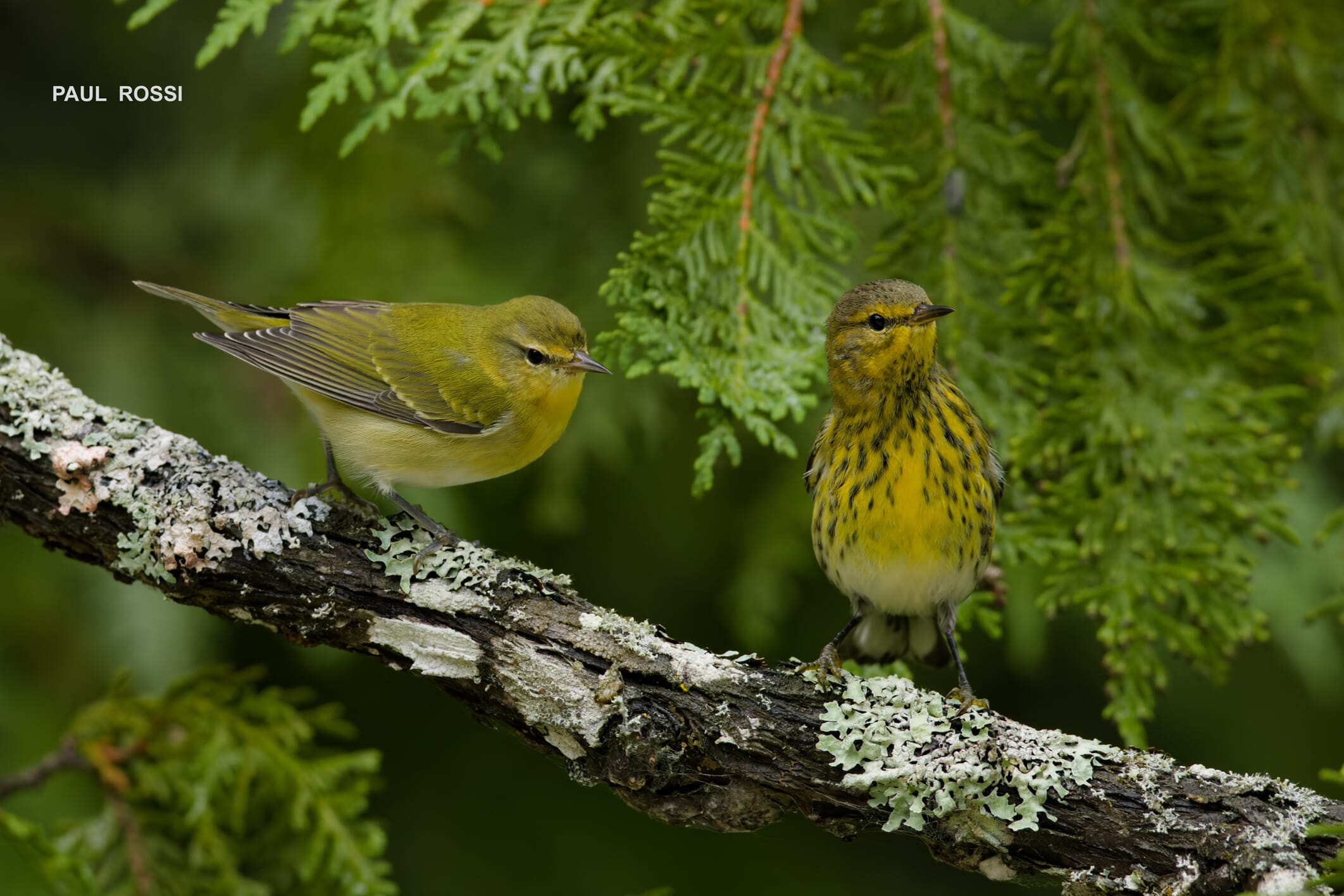
Tennessee and Cape May Warblers
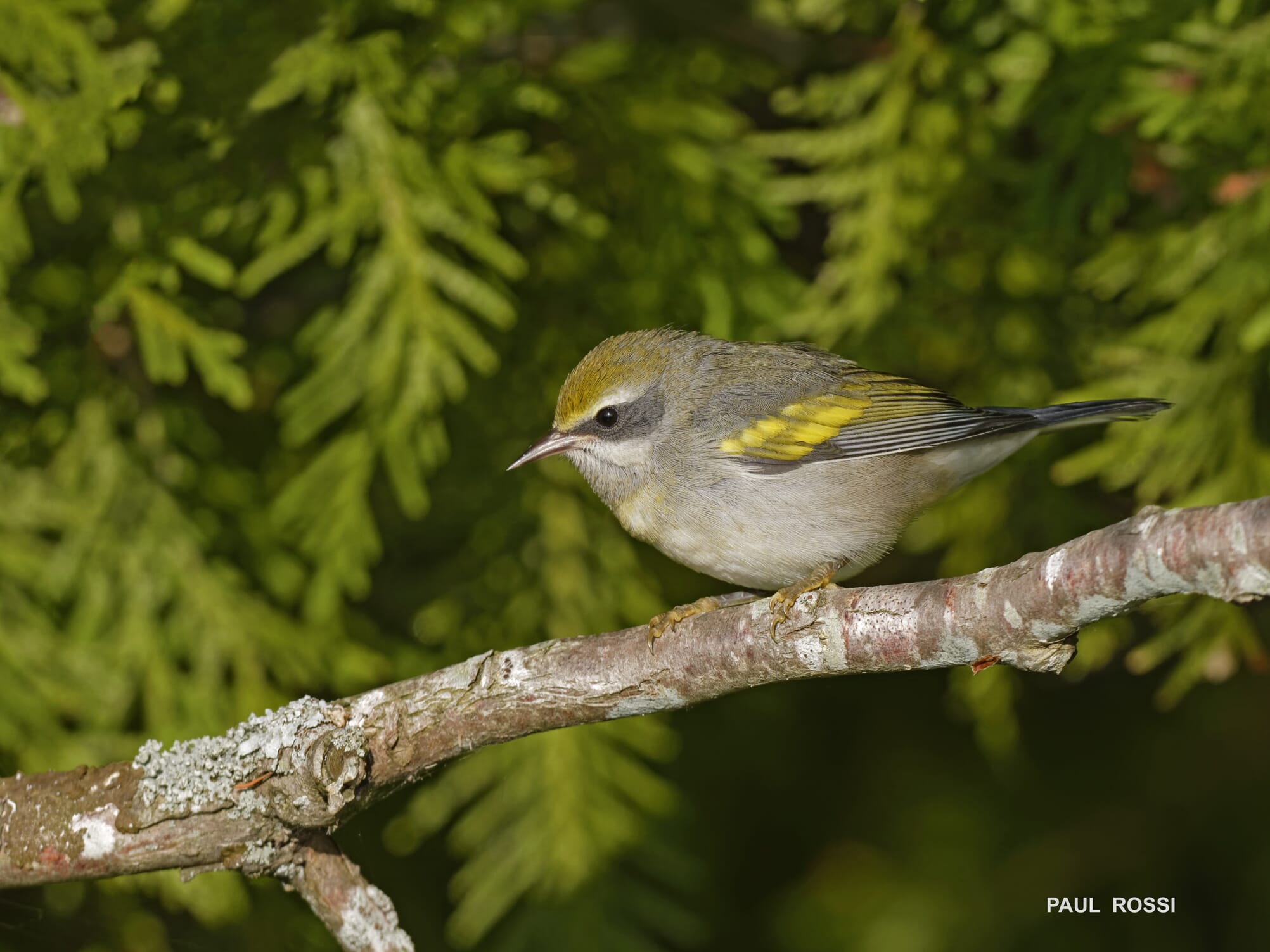
Female Golden-winged Warbler
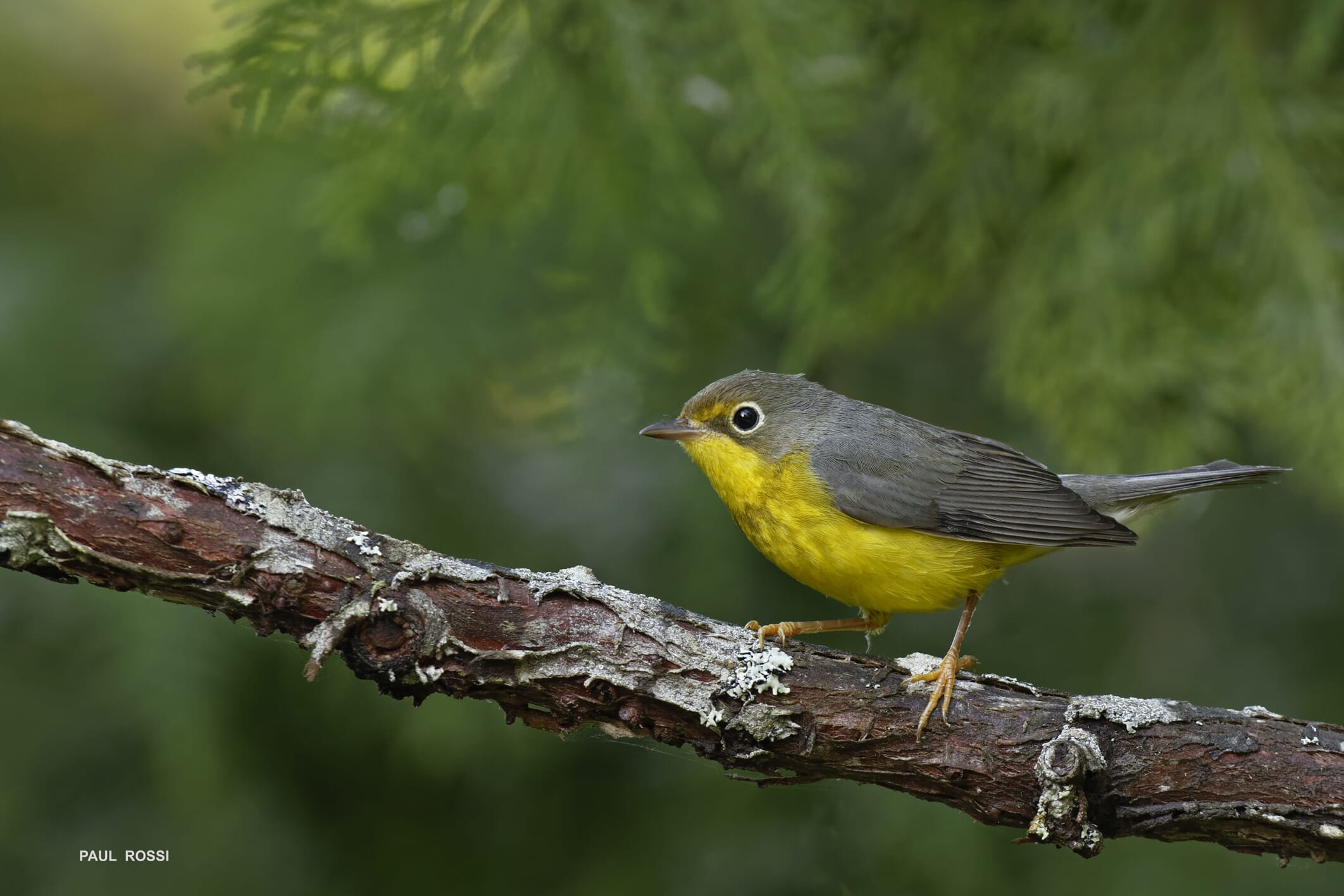
Canada Warbler
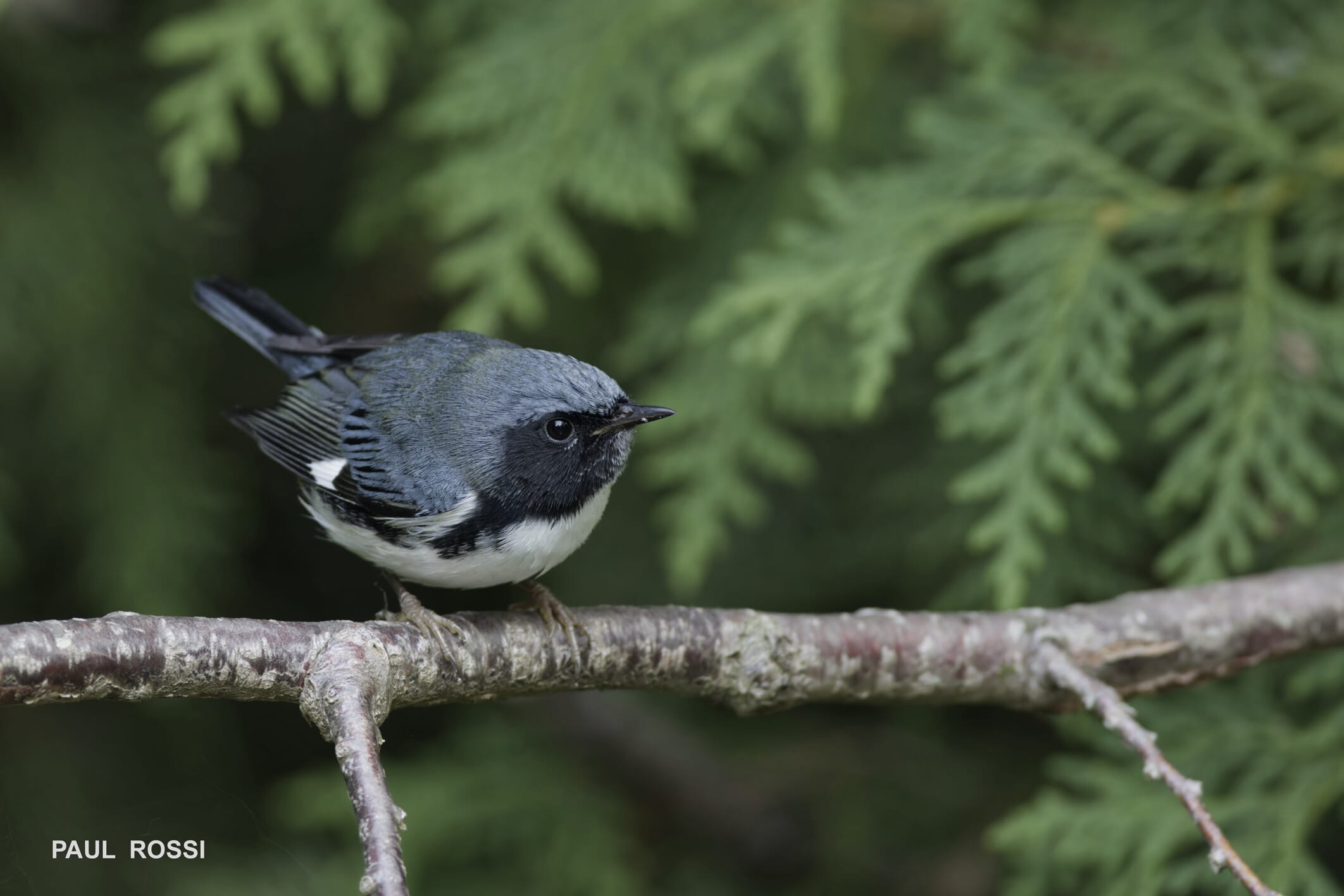
Male Black-throated Blue Warbler
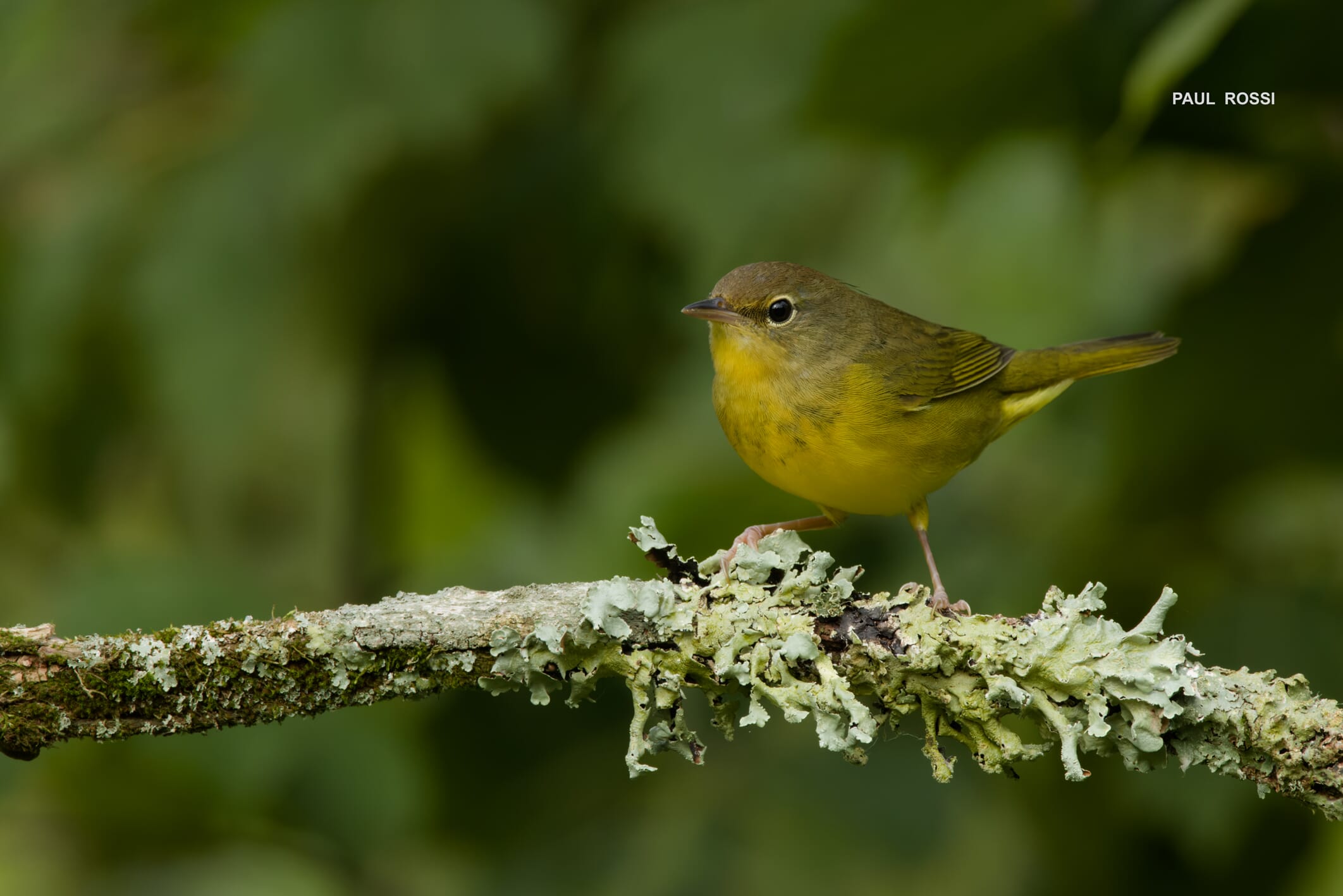
Mourning Warbler
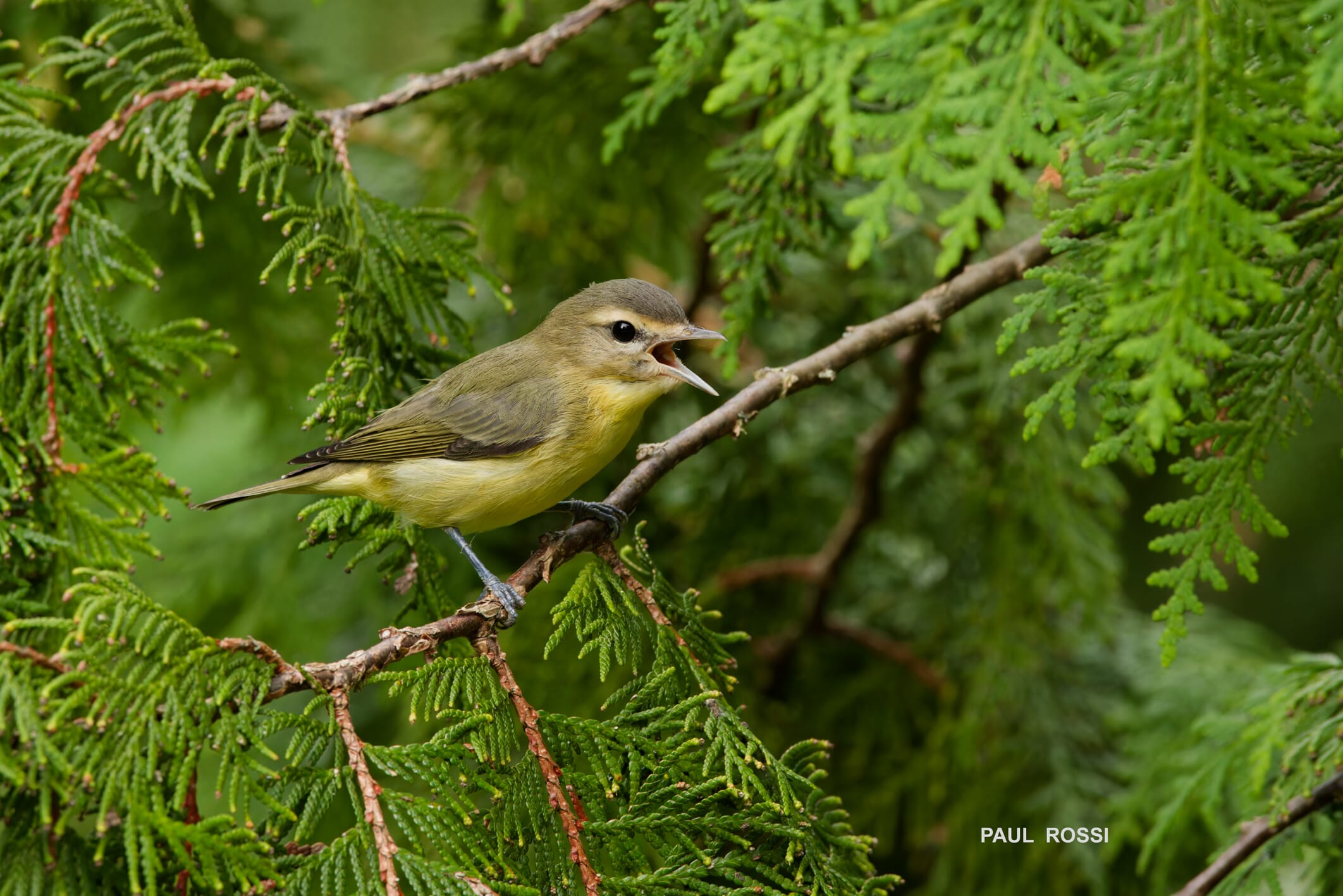
Philadelphia Vireo
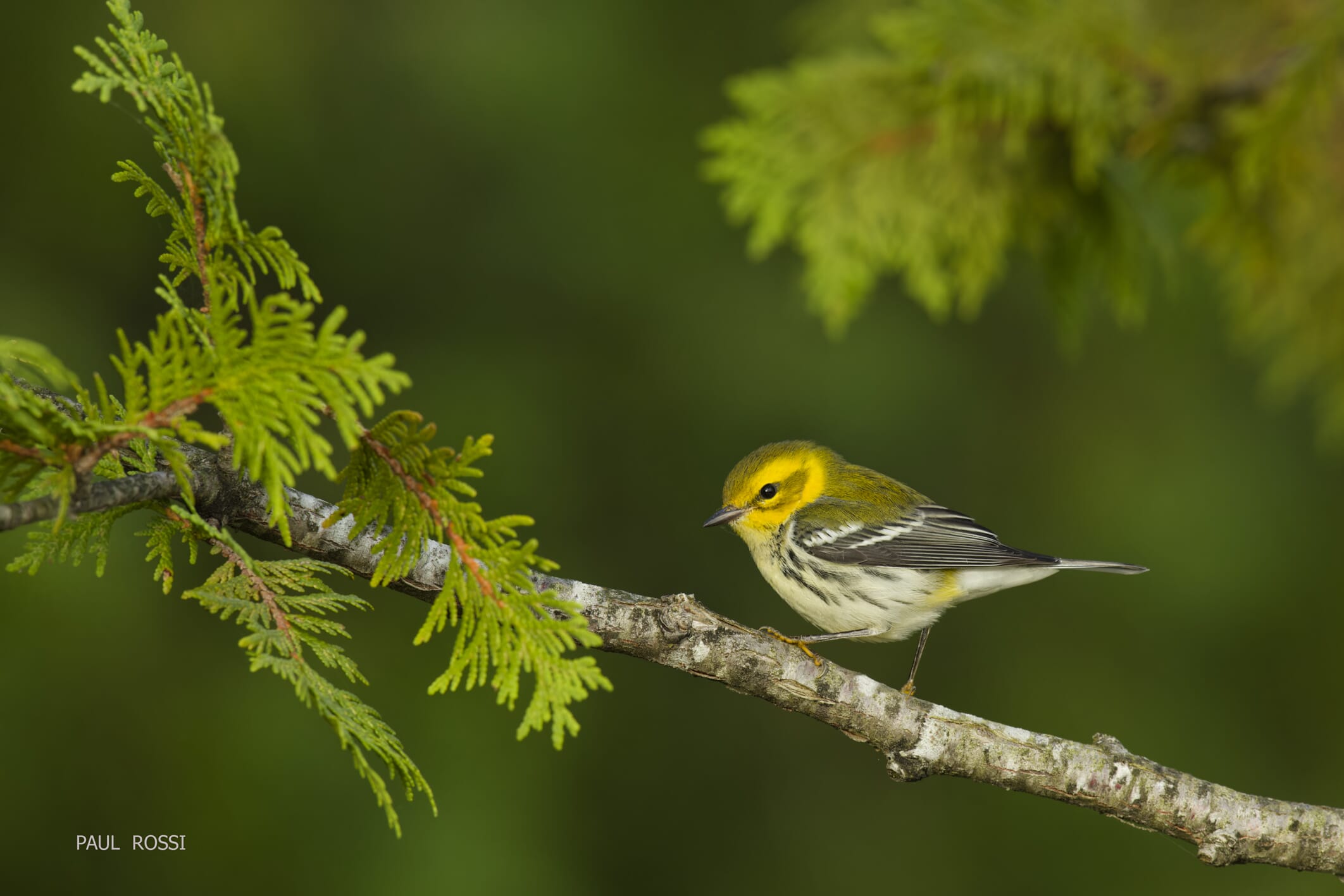
Black-throated Green Warbler
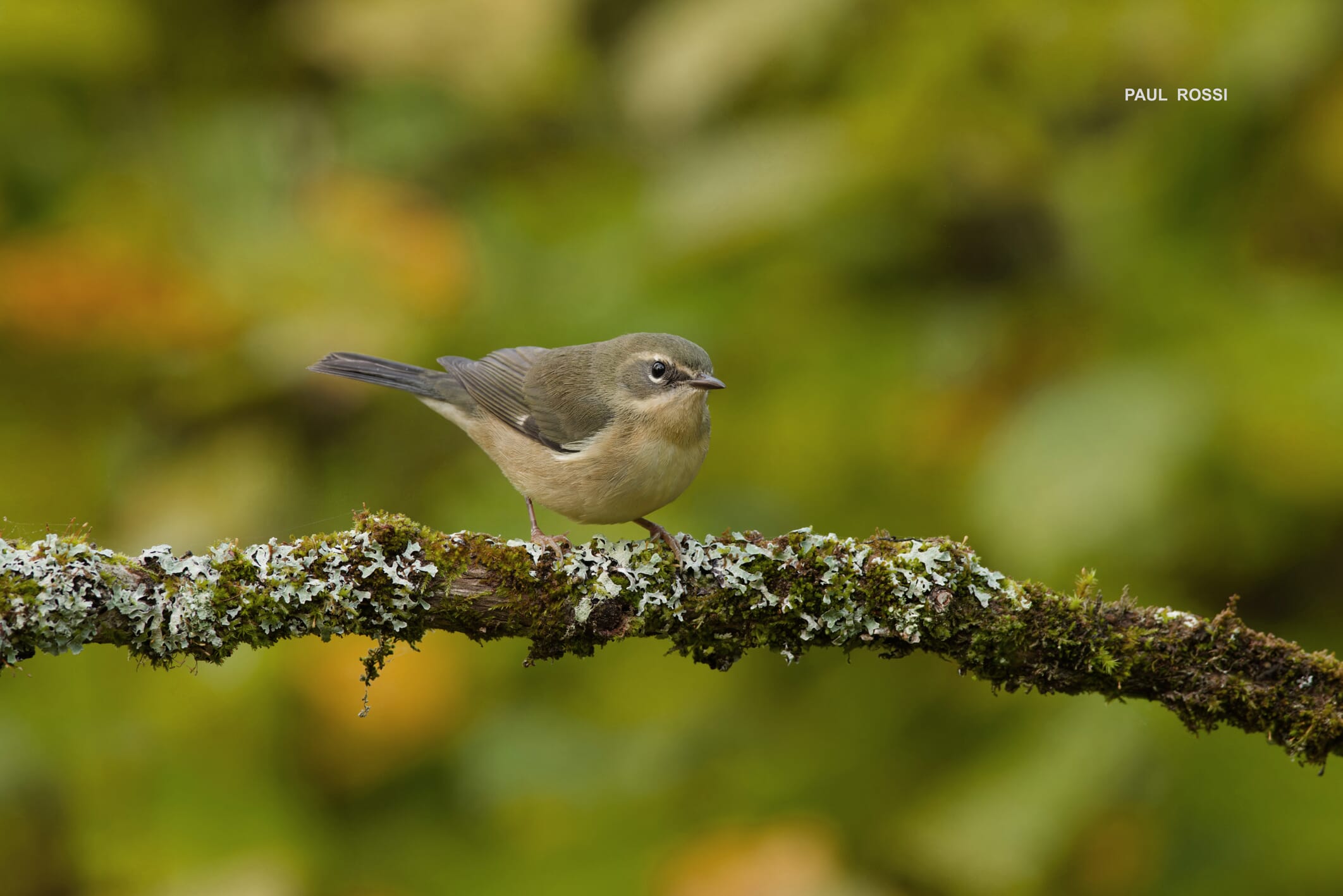
Female Black-throated Blue
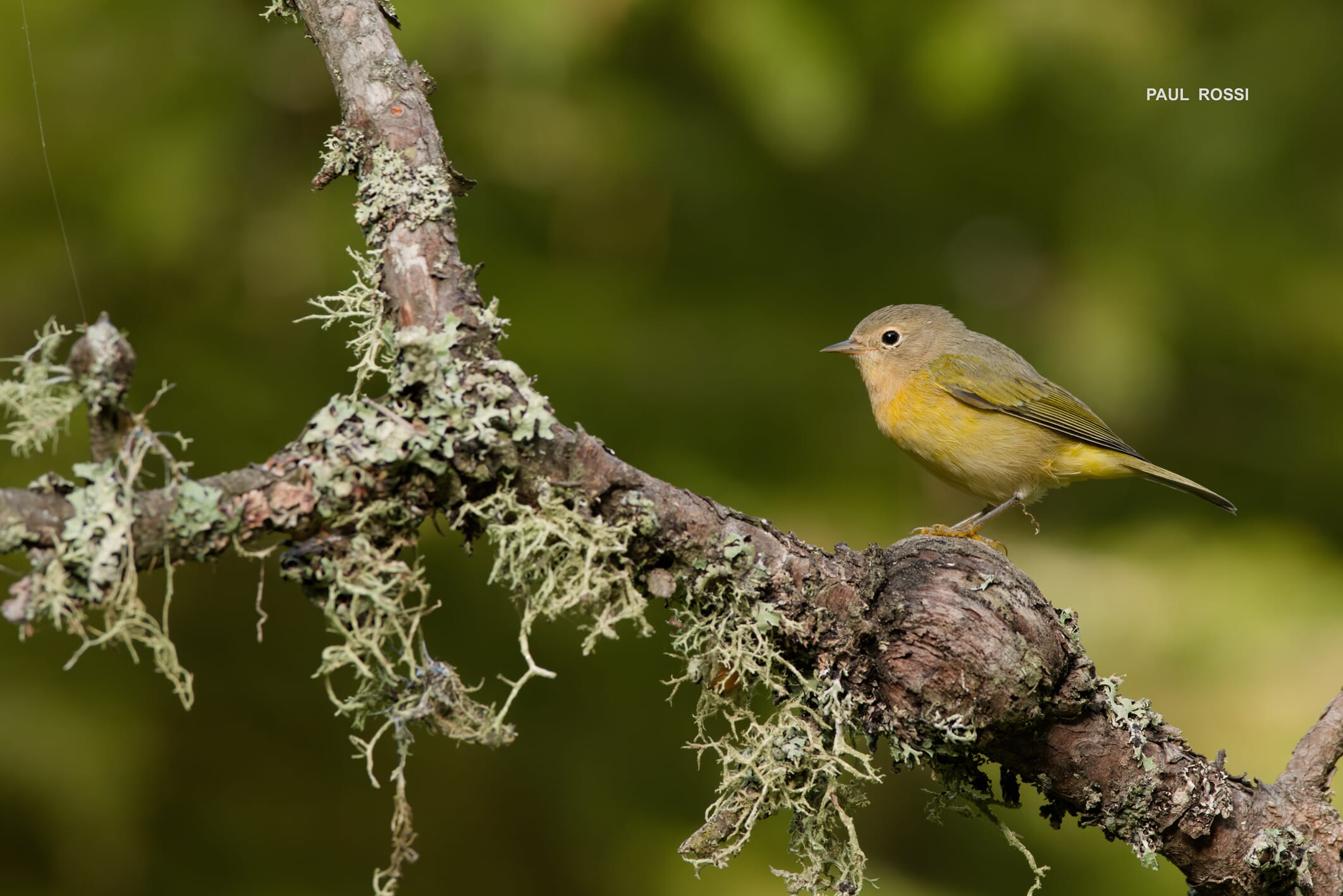
Nashville Warbler
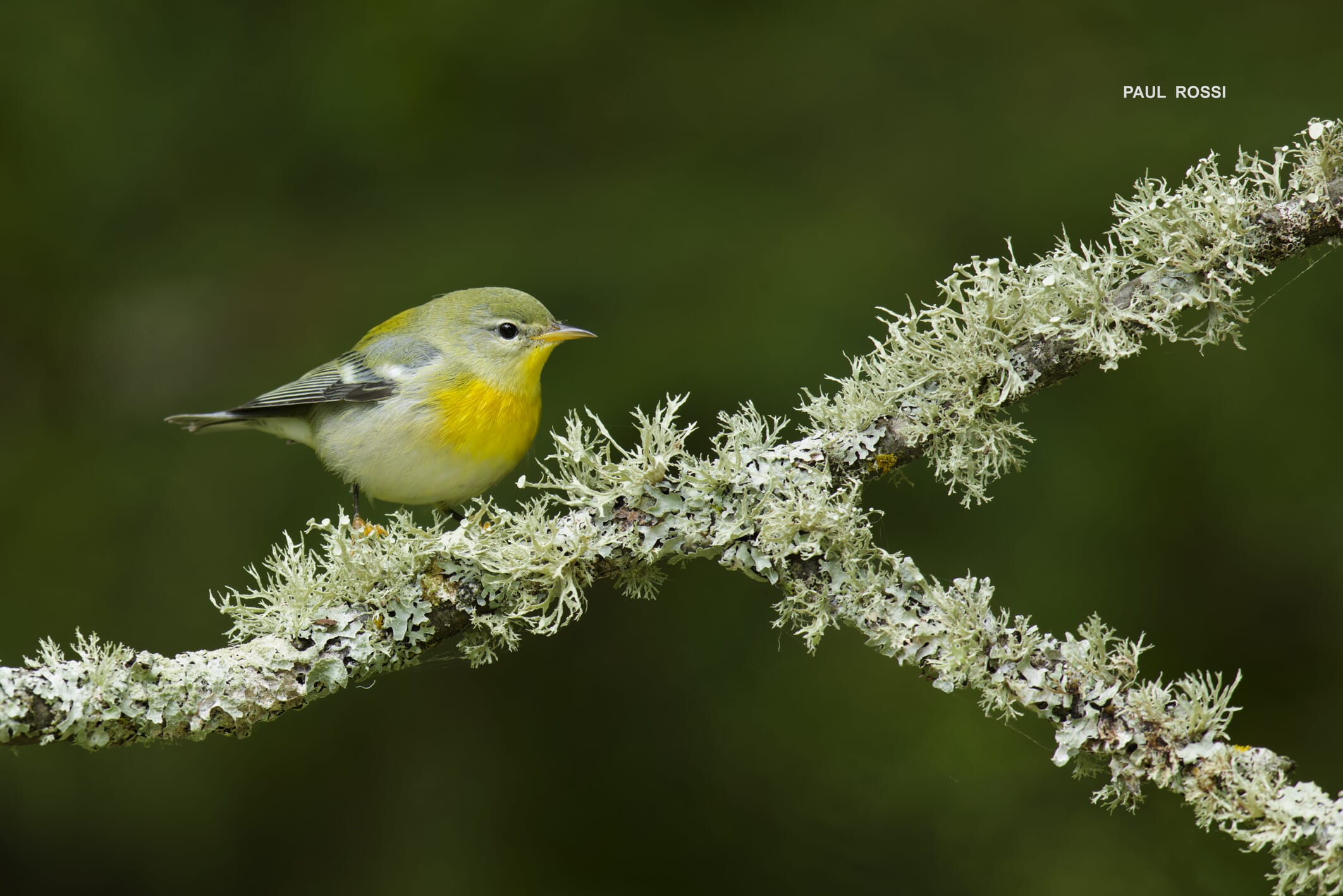
Northern Parula
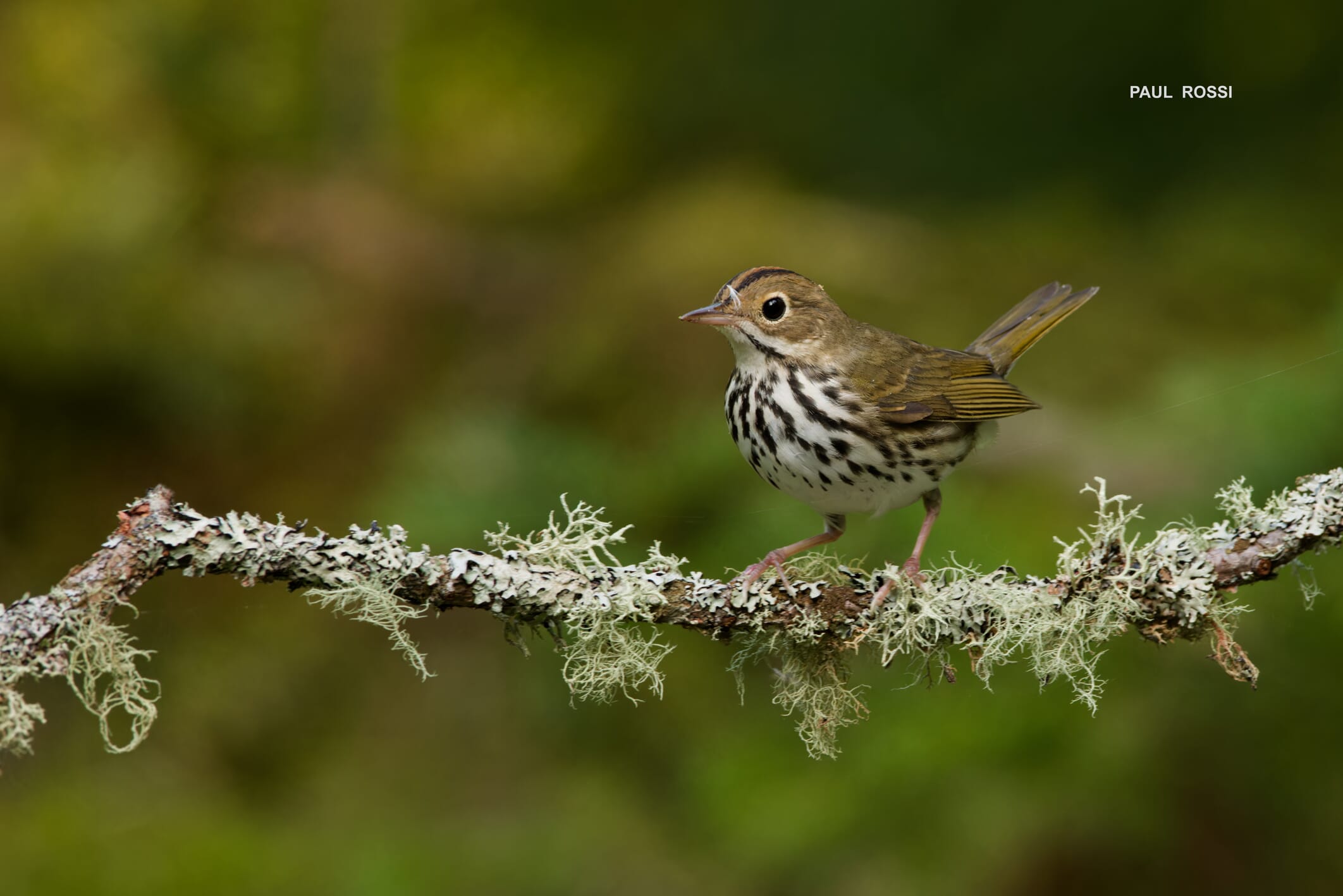
Ovenbird
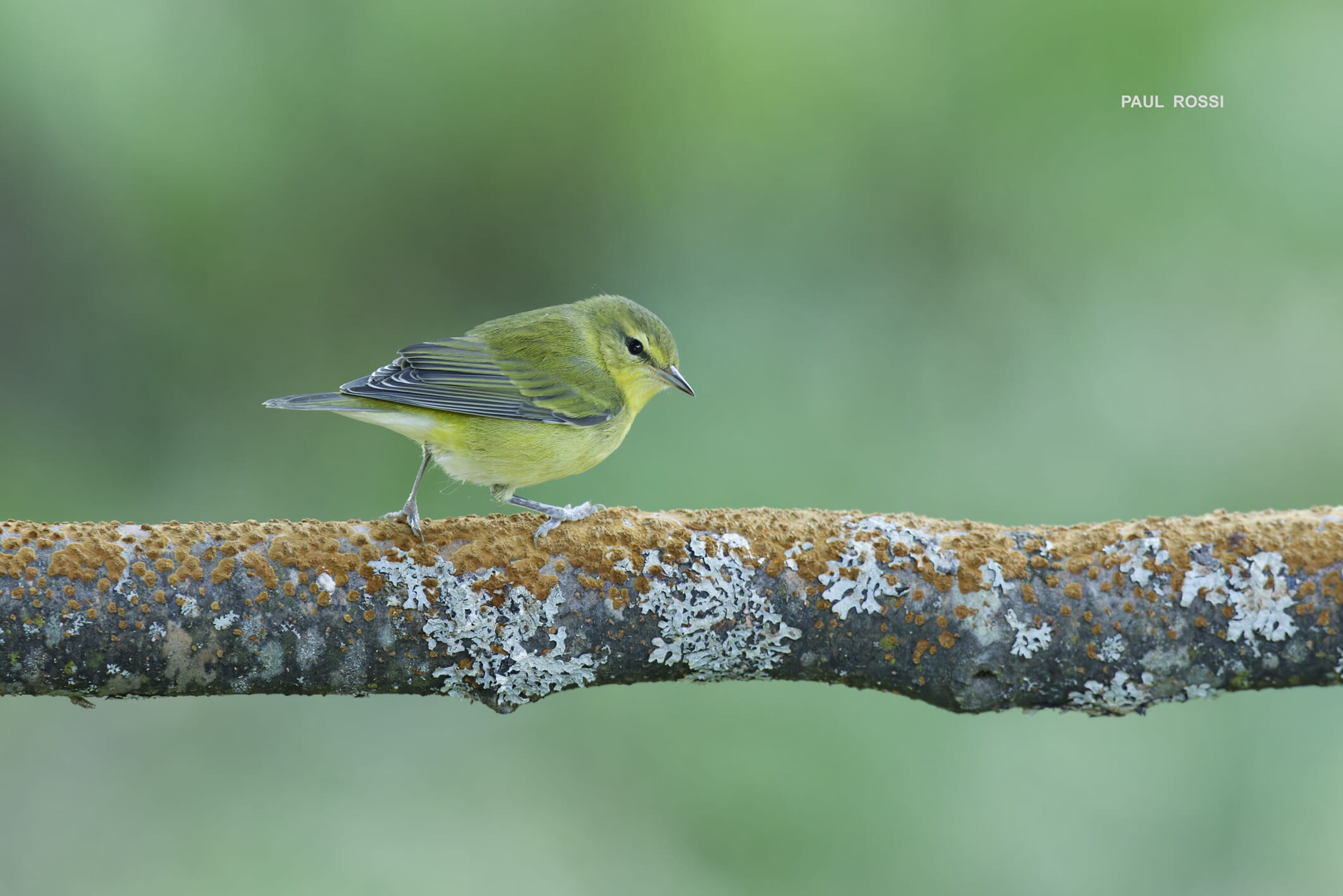
Tennessee Warbler